Rising Groundwater Levels Threaten Urban Subways and Foundations
A new study reveals how massive water replenishment projects in Beijing are causing unexpected structural damage and driving up engineering costs underground.
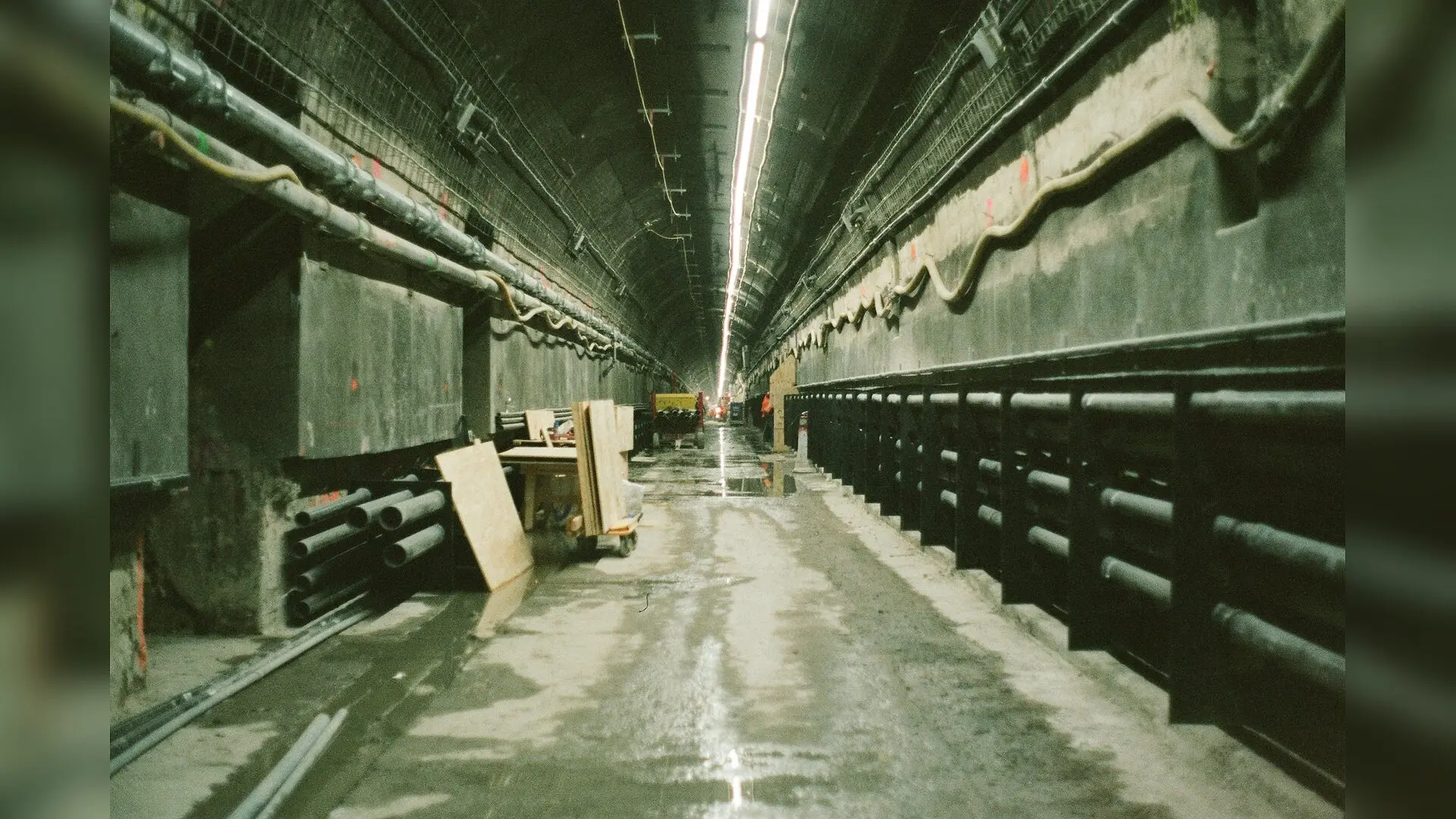
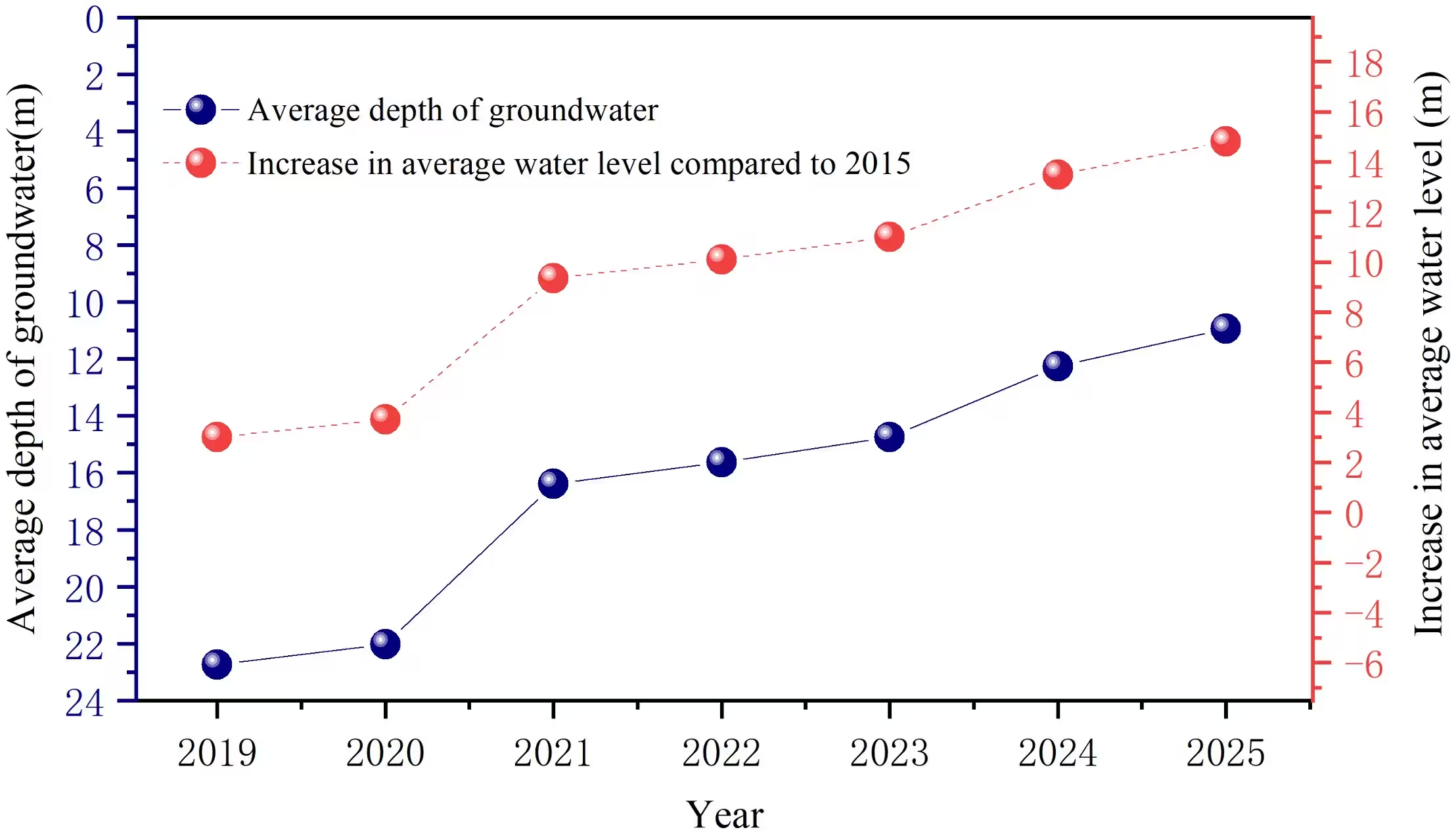
When Beijing launched massive ecological water replenishment projects to rescue its overexploited aquifers, the groundwater level in the plain area bounced back by an impressive 14.81 meters between 2015 and 2025. While this environmental success restored wetlands and curbed land subsidence, it also triggered an unexpected engineering crisis underground. As water tables climbed, thousands of basement slabs, tunnels, and metro stations found themselves submerged beneath mounting hydrostatic pressure, threatening the structural integrity of the city’s vast underground network.
How Rising Water Tables Threaten Megacity Infrastructure
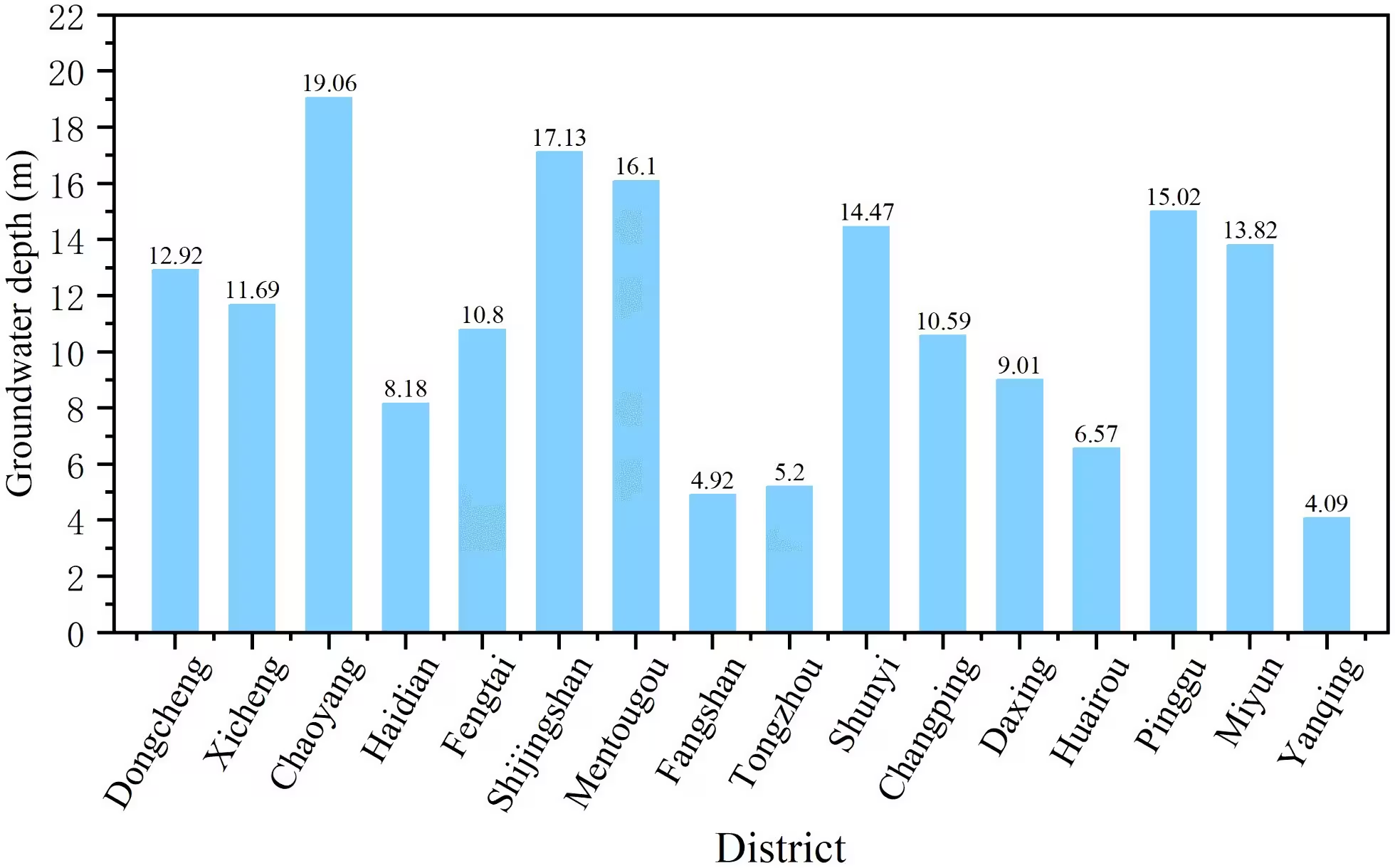
As detailed in a study published in PLOS One, the rapid urban water recovery has turned dry foundations into water-bearing environments. Researchers Hongli Mu, Yanlin Li, Shiqing Wang, and Han Zhu focused on the Beijing Plain to evaluate how shallow groundwater restoration interacts with urban spaces. They found that 83.9 percent of base slabs across 17 operating metro lines sat below the water table by 2024, leading to a surge in leakage points and structural vulnerability.
The research team identified several distinct types of damage caused by the rising water. Chemical corrosion attacks concrete structures, while hydrostatic pressure induces severe anti-uplift failures that can crack floor slabs and tilt columns. Furthermore, water saturation softens foundation soils, and linear structures like subway tunnels face differential pressure when blocking natural groundwater flow from west to east.
Economic Analysis of Ecological Benefits Versus Structural Costs
To balance environmental restoration with infrastructure safety, the authors applied an environmental economics approach known as marginal analysis. They weighed the ecological benefits of the rising water, such as carbon sequestration and hazard mitigation, against the mounting costs of structural repairs, anti-uplift reinforcements, and construction dewatering. For instance, discharging construction dewatering water now incurs a steep water resource tax of 4.3 yuan per cubic meter in Beijing, turning every centimeter of groundwater rise into a direct financial burden for ongoing civil engineering projects.
By plotting these competing factors, the authors developed a conceptual framework to determine a comprehensive warning threshold for groundwater levels. The model shows that net benefits peak when the water table is maintained within a specific safety window, preventing both the ecological degradation of an over-drained aquifer and the catastrophic flooding of underground structures.
A Multi-Level Protection Framework for Future Urban Planning
To safeguard cities against these hidden hazards, the authors propose a comprehensive five-part prevention strategy. This framework calls for dynamic water level regulation, stricter building design standards with higher anti-uplift safety factors, improved material resilience against corrosion and leakage, optimized construction dewatering technologies, and real-time monitoring networks.
Although the data and regional parameters specifically reflect the hydrogeological conditions of Beijing, the methodology offers a valuable blueprint for other fast-growing megacities facing similar hydrological shifts. The findings highlight that successful urban water management requires cross-sector coordination between environmental agencies and civil engineers to ensure ecological healing does not compromise subterranean safety.
The research was published in PLOS One on November 18, 2026.
This article has been fact checked for accuracy, with information verified against reputable sources. Learn more about us and our editorial process.
Last reviewed on .
Article history
- Latest version
Cite this page:
- Posted by Anjali Singh