Deep Earth Reveals Unexpected Fungal Boom: Thousands of Cells per Milliliter Below Surface
Scientists uncover abundant, diverse fungi up to 1,640 ft deep in Michigan’s Antrim Shale, revealing hundreds of types and possible new species.
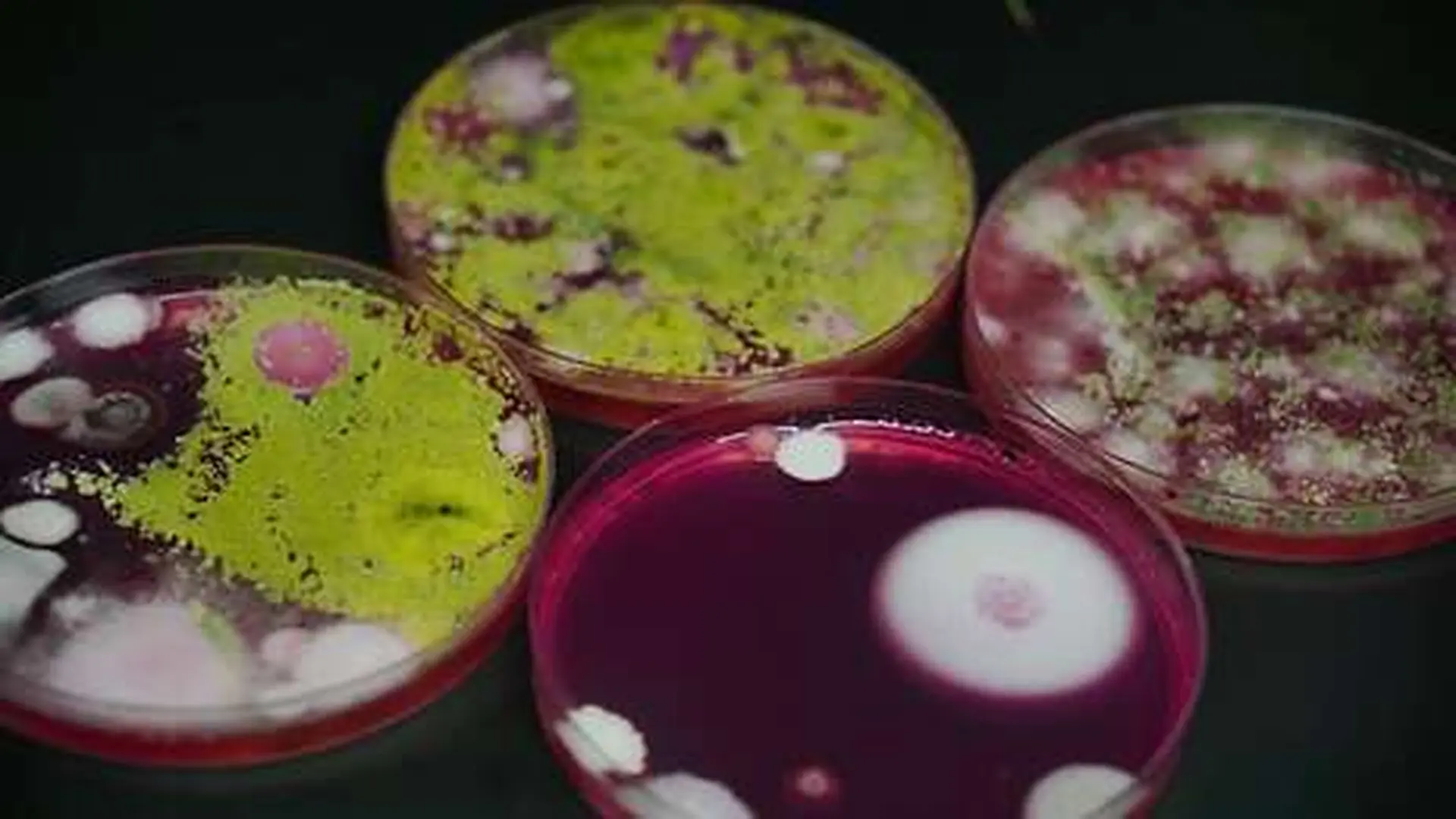
A team of scientists examined water extracted from gas‑producing wells drilled into organic‑rich shale to uncover hidden fungal life deep beneath the surface. By integrating DNA sequencing, microscopy, fungal culturing and geochemical profiling, the researchers explored microbial communities residing between 247 and 556 meters underground. Their findings, published in The ISME Journal, reveal that fungi may represent a sizable fraction of the microbial biomass in habitats sealed off from the atmosphere for millennia.
Underground Fungal Populations Exceed Prior Estimates
Microscopic counts identified between 4.2 × 10³ and 6.8 × 10³ fungal cells per milliliter of formation water. Overall microbial densities ranged from 4.1 × 10⁴ to 6.9 × 10⁴ cells per milliliter, placing fungal abundances on a scale comparable to many freshwater systems.
Molecular analyses provided a clearer picture of fungal versus bacterial presence. The ratio of fungal to bacterial cells varied from 1:7,028 to 1:713, with a median of 1:2,572. Translating these ratios into carbon‑based biomass using marine conversion factors yielded a median fungal‑to‑bacterial biomass ratio of roughly 1:4.7.
The authors caution that these biomass estimates rely on conversion factors derived from pelagic fungi, as specific parameters for deep‑subsurface fungi are still lacking. Consequently, the reported values should be viewed as preliminary approximations rather than definitive measurements for all subterranean settings.
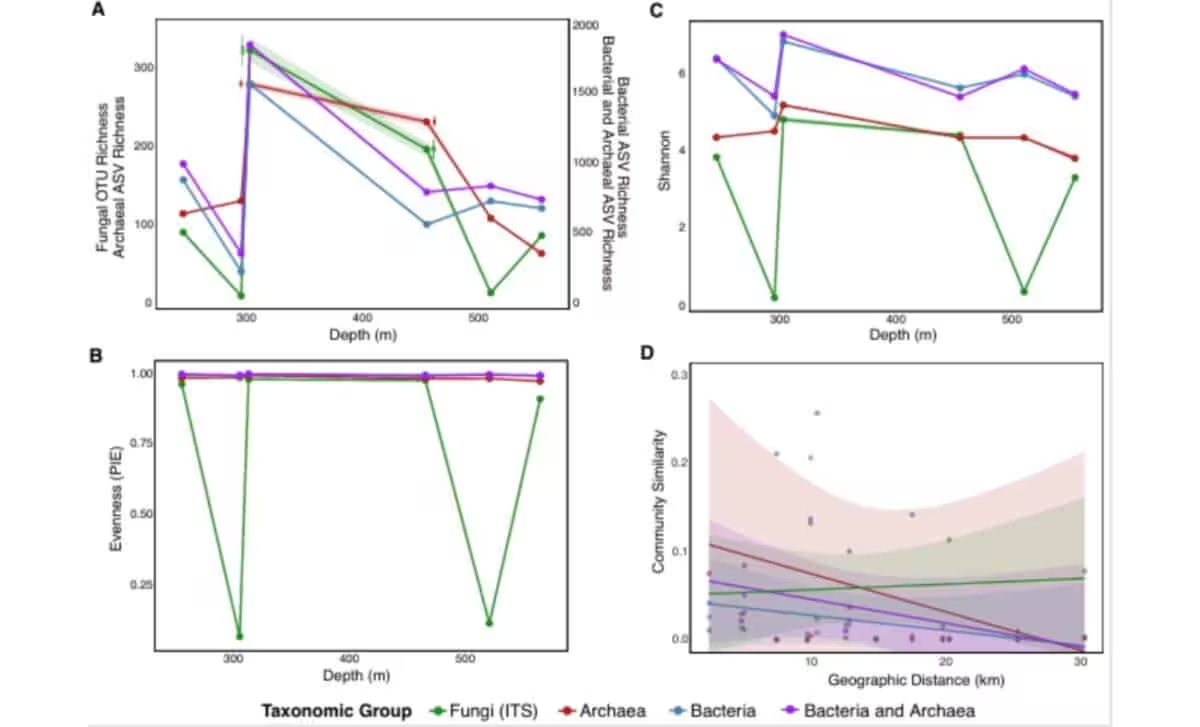
DNA sequencing uncovered a rich fungal assemblage, detecting 689 operational taxonomic units (OTUs) across 20 classes. Members of the Agaricomycetes and Dothideomycetes classes appeared most frequently in the dataset.
University of Michigan doctoral researcher Quinn Moon highlighted that these results challenge the prevailing notion that deep subsurface realms are inhospitable to eukaryotes. Moon suggests that global assessments of fungal biomass and diversity may be incomplete because such underground habitats have seldom been factored into existing calculations.
Culturing efforts reinforced the genetic insights, yielding 205 fungal isolates that corresponded to 67 culture‑derived OTUs. Thirteen of these isolates fell below the conventional 98 % sequence similarity threshold relative to known fungi, indicating the possibility of novel, previously undocumented taxa.
Glacial Meltwater May Have Delivered Fungi to the Shale
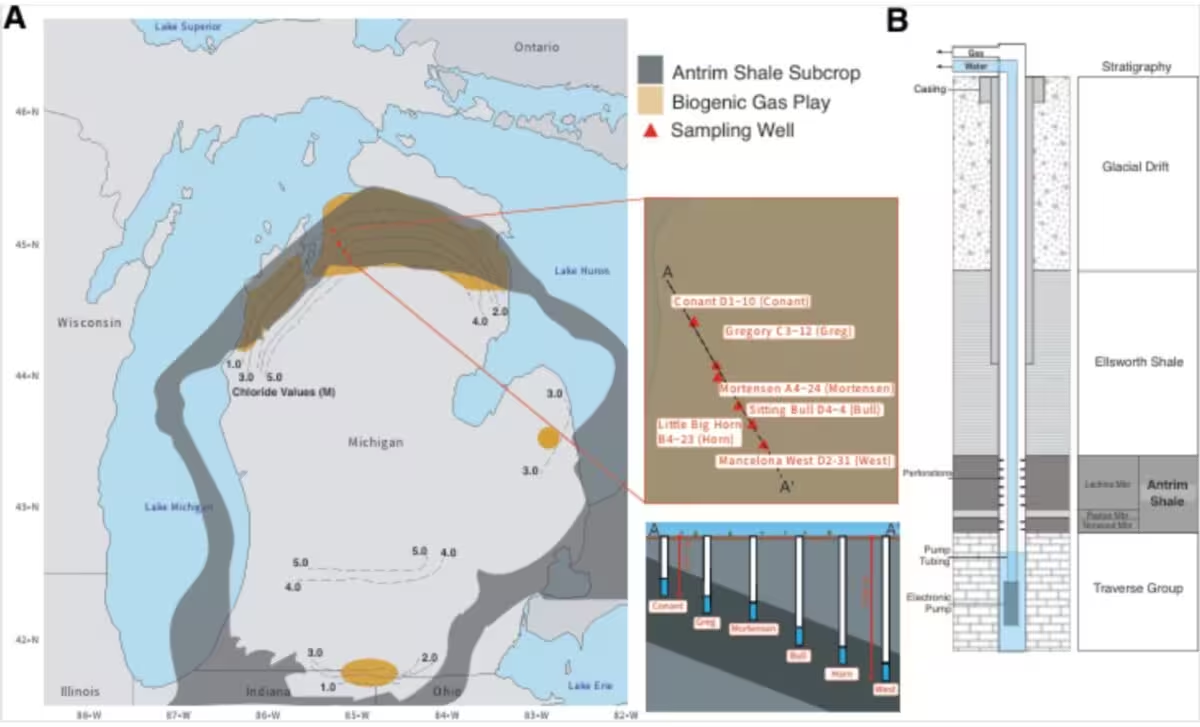
The geological context offers clues about how microorganisms entered the Antrim Shale, a formation deposited during the Upper Devonian and rich in preserved organic material such as bitumen, algal remnants and wood fragments.
Stable isotope analysis of the formation water identified signatures consistent with late‑Pleistocene glacial melt. Researchers propose that subglacial recharge could have transported surface‑derived microbes downward through rock fractures.
Chemical profiles varied markedly among wells. Total dissolved solids spanned from 448 mg L⁻¹ in the shallowest sample to 112,000 mg L⁻¹ in the deepest, reflecting a gradient from relatively fresh to highly saline water. Methane comprised 86 % to 97 % of the gases measured, and isotopic signatures suggest that most of this methane originated from microbial processes acting on carbon already locked within the shale.
The fungal assemblage appears to be part of a broader subterranean ecosystem that processes ancient carbon reserves. In addition to fungi, the samples contained bacteria, archaea and other eukaryotes such as rotifers, annelids, tardigrades and nematodes, along with several groups of intracellular parasites.
The authors speculate that certain fungi might facilitate the breakdown of recalcitrant organic matter, rendering it accessible to neighboring microbes. They stress, however, that detecting genetic material does not prove metabolic activity, and the study is limited to a single geological formation.
All cultured fungal strains have been deposited in the University of Michigan Herbarium, representing the first publicly accessible collection of deep‑subsurface fungi. Their preservation offers concrete proof that organic‑rich rock layers can sustain diverse eukaryotic communities far beneath the Earth’s surface, while leaving open the question of how common such ecosystems are across the crust.
This article has been fact checked for accuracy, with information verified against reputable sources. Learn more about us and our editorial process.
Last reviewed on .
Article history
- Latest version
Cite this page:
- Posted by Bilal Abbasi