Scientists Just Debuted a New Machine That Turns Thin Air Into Gasoline
A Manhattan rooftop machine is converting air, water, and electricity into gasoline, highlighting the potential and steep hurdles of synthetic fuel.
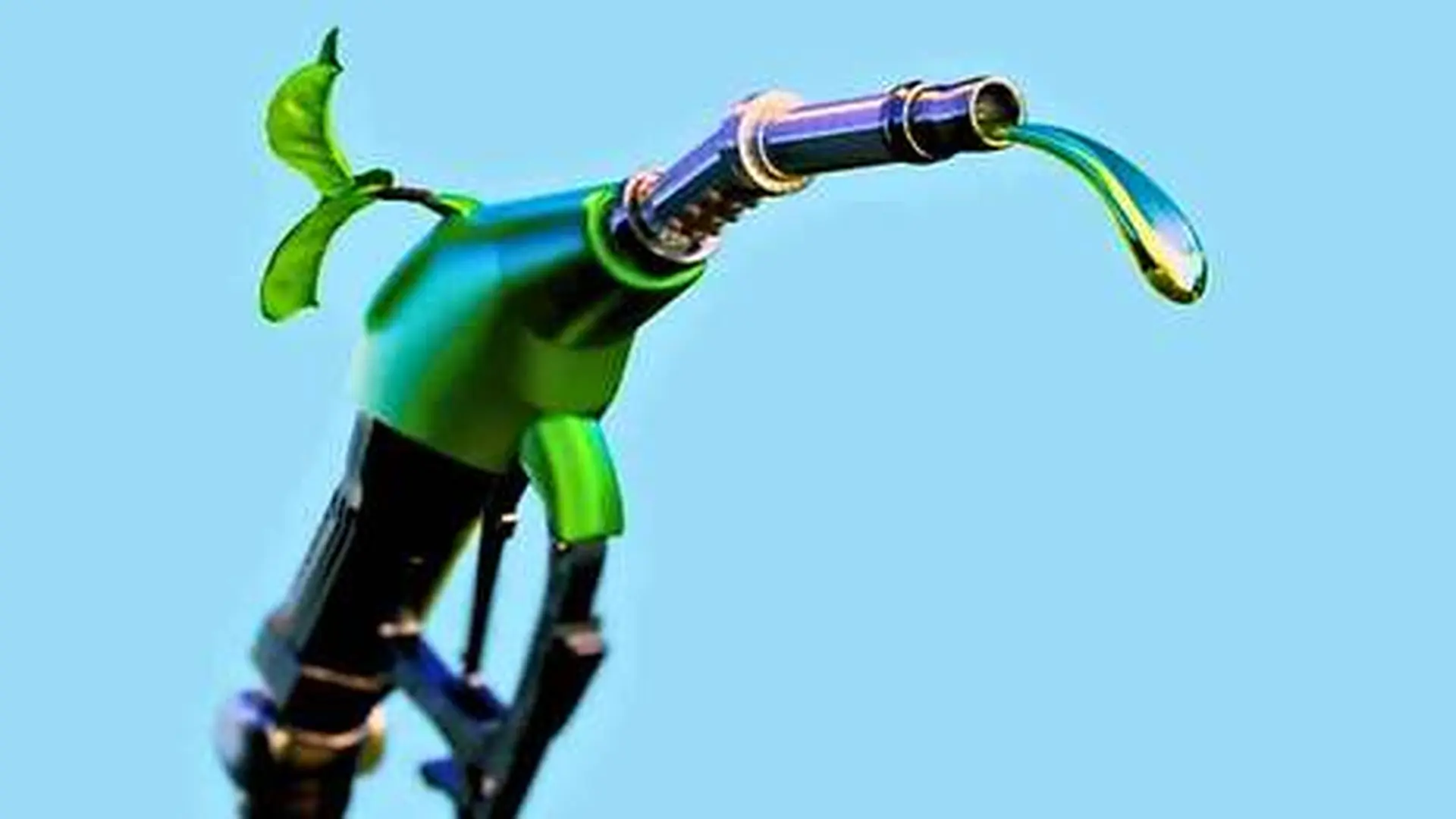
A New York-based startup has successfully demonstrated a novel technology capable of synthesizing gasoline from water, electricity, and carbon dioxide harvested directly from the atmosphere. By bypassing the need for traditional petroleum extraction, this approach aims to produce a drop-in liquid fuel compatible with current internal combustion engines and refueling infrastructure.
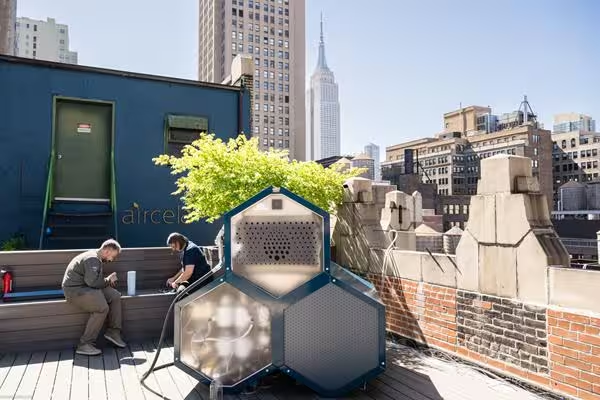
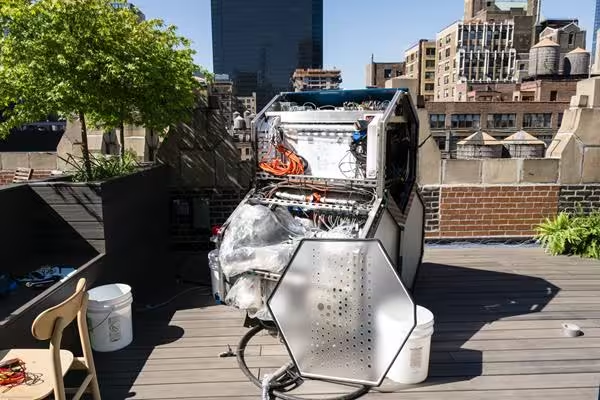
In a project unveiled in May 2025, Aircela debuted a compact, modular unit on a Manhattan rooftop. The system is engineered to function as a self-contained refinery, converting airborne carbon into a usable fuel product without requiring modifications to standard vehicle engines.
Engineering Fuel from Thin Air
The operational cycle begins with direct air capture (DAC), a process where chemical agents—in this case, a potassium hydroxide solution—scrub carbon dioxide from ambient air. Simultaneously, the system employs electrolysis to split water molecules into hydrogen. These two components are then synthesized into methanol, which serves as a precursor for a methanol-to-gasoline (MTG) conversion process. By integrating these traditionally distinct chemical stages into a single, localized apparatus, Aircela differentiates its methodology from large-scale, centralized e-fuel plants.
Energy Efficiency and the Electrification Trade-off
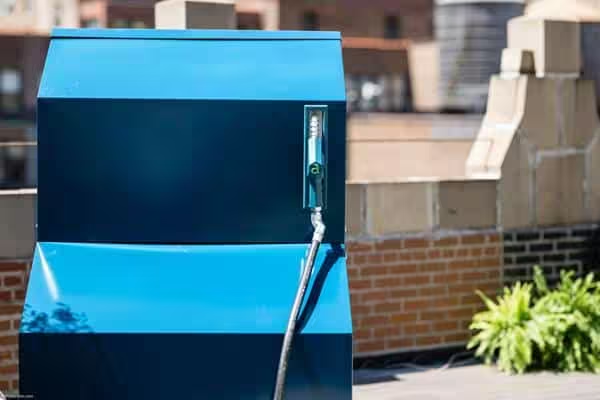
While the chemical feasibility is established, the system faces significant thermodynamic hurdles. Aircela reports that its current hardware produces roughly one gallon of gasoline per day while capturing approximately 10 kilograms of CO2. Achieving the company’s target of over 50 percent energy conversion efficiency would require an estimated 75 kilowatt-hours of electricity per gallon of fuel produced.
This high energy requirement highlights the primary criticism leveled against synthetic fuels compared to battery-electric vehicles. Independent analysis suggests that e-fuels are significantly less efficient than direct electrification, as the energy required to capture carbon and generate hydrogen represents a substantial net loss. However, proponents argue that synthetic gasoline remains vital for legacy infrastructure and specialized sectors where batteries are currently impractical.
Addressing the Carbon Loop
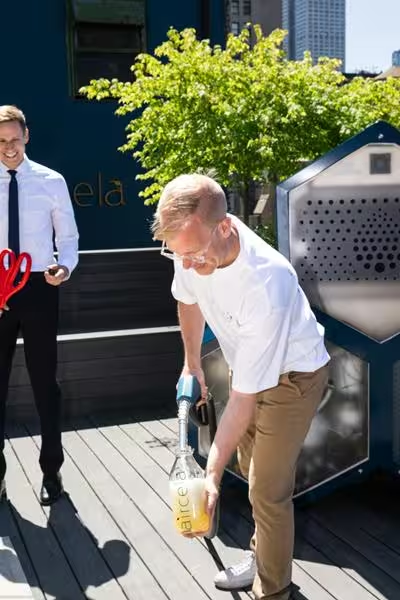
A critical distinction in this technology is the nature of emissions. Burning this synthetic fuel still releases carbon dioxide from the tailpipe, similar to conventional fossil fuels. According to EPA guidelines, the combustion of a single gallon of gasoline produces nearly 9 kilograms of CO2. The climate benefit of Aircela’s product rests entirely on the premise of a “recycled” carbon loop, where the CO2 emitted is offset by the CO2 previously sequestered from the air. The environmental viability of this cycle remains contingent on the source of the electricity used, as a grid reliant on fossil fuels would negate the carbon-neutral claims.
Path to Market
Following a shift from original deployment timelines, Aircela is currently collaborating with beta partners, with plans for a limited commercial rollout in select U.S. markets by late 2026. The startup has reported that its synthetic fuel demonstrates an anti-knock index of 90, suggesting it could be blended with or used in place of standard fuel. Yet, the transition from a successful laboratory rooftop demonstration to a cost-effective, scalable, and reliable commercial energy source remains the definitive challenge for the company and the broader synthetic fuel industry.
As outlined by the Department of Energy, the future of such technologies will be determined by rigorous lifecycle assessments that account for the full spectrum of manufacturing, material inputs, and sustained operational performance.
This article has been fact checked for accuracy, with information verified against reputable sources. Learn more about us and our editorial process.
Last reviewed on .
Article history
- Latest version
Reference(s)
- “DOE Explains...Direct Air Capture.”, November 29, 2023 Energy.gov <https://www.energy.gov/science/doe-explainsdirect-air-capture>.
- “The Science.” <https://www.aircela.com/the-science>.
- “ID 380 %E2%80%93 Staying Aloft Report Final.” <https://theicct.org/wp-content/uploads/2025/07/ID-380-%E2%80%93-Staying-aloft_report_final.pdf>.
- “ZyPDF.” <https://nepis.epa.gov/Exe/ZyPDF.cgi?Dockey=P1017FP5.pdf>.
- “Best Practices for Life Cycle Assessment of Direct Air Capture with Storage (DACS).”, June 21, 2022 Energy.gov <https://www.energy.gov/fecm/best-practices-life-cycle-assessment-direct-air-capture-storage-dacs>.
Cite this page:
- Posted by Bilal Abbasi