China Built a Massive Solar Farm in the Desert and It Unexpectedly Transformed the Local Ecosystem
China’s massive high-altitude solar farms have triggered an unexpected ecological transformation beneath the panels, according to new research findings.
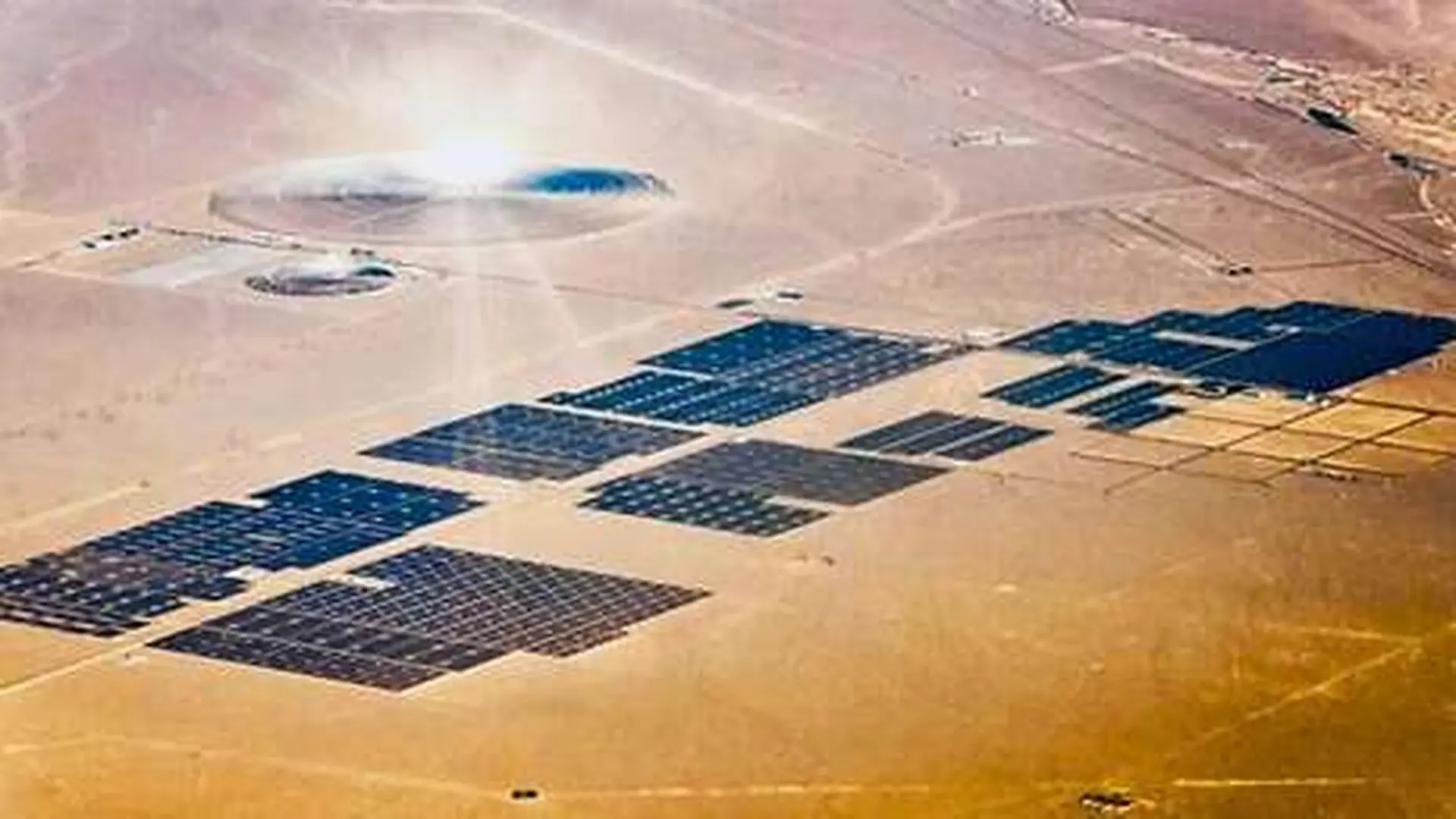
Large-scale solar installations are often criticized for their potential impact on local landscapes, but new research from northwest China suggests that, in some arid environments, these arrays may actually foster improved ecological conditions compared to the surrounding terrain.
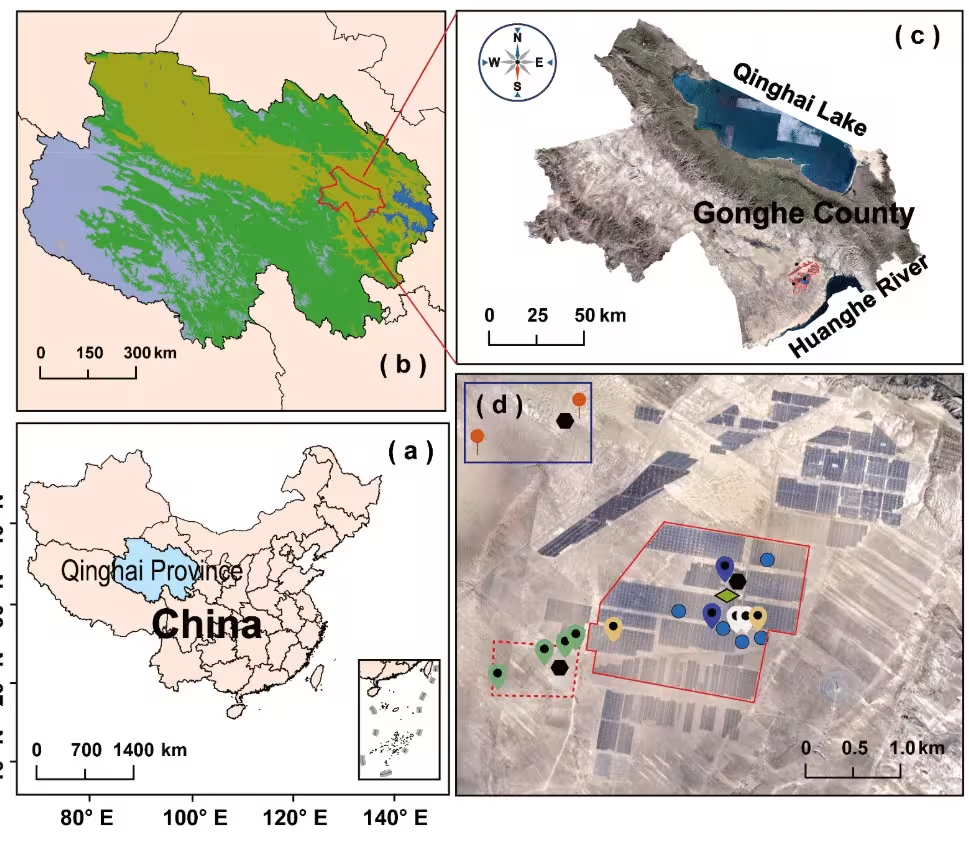
A study published on September 28, 2024, in the journal Scientific Reports, examined the ecological health of the Qinghai Gonghe Photovoltaic Park. Situated in Talatan, Qinghai Province, at an elevation of approximately 2,910 meters, this massive 1,000 MW facility provided a unique opportunity to study how renewable energy infrastructure interacts with high-altitude, semi-arid ecosystems.
Quantifying Ecological Health
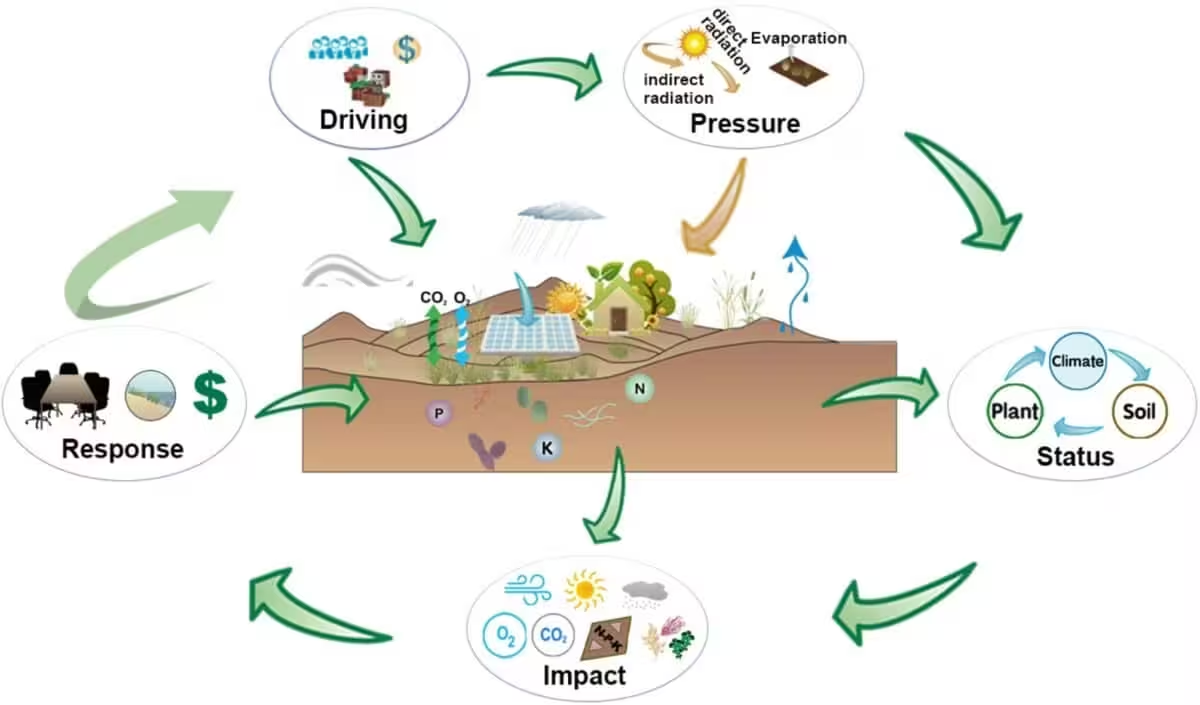
To evaluate the facility’s footprint, researchers divided the study site into three distinct categories: the active PV array, an intervening transitional zone, and a non-PV comparison area located outside the facility. Using the Driving-Force-Pressure-Status-Impact-Response (DPSIR) framework, the team tracked 57 distinct environmental indicators, ranging from soil chemistry and microbial diversity to localized microclimate data and vegetation health.
The results indicated a clear disparity in environmental quality. The operational PV area earned an ecological score of 0.439, significantly higher than the 0.286 score of the transitional zone and the 0.280 score assigned to the comparison area. Both the transitional and control zones were categorized as having poor ecological status, suggesting that the solar installation acted as a buffer or a restorative influence on the immediate environment.
The Solar Microclimate Effect
The physical presence of the solar modules appears to be a primary driver of these changes. By providing shade, the panels effectively lowered ground temperatures and altered wind patterns, creating a microclimate that mitigated the region’s harsh evaporative losses. In an environment where annual precipitation is roughly 246 millimeters but potential evaporation exceeds 1,700 millimeters, this shading effect is crucial for soil moisture retention.
Researchers also noted that routine maintenance, specifically the monthly cleaning of the solar panels, introduced additional moisture into the soil beneath the arrays. This combination of shade and supplemental water fostered more favorable conditions for vegetation, resulting in higher plant density, increased biomass, and a more diverse range of plant species within the park compared to the exposed, off-site lands.
The benefits extended below ground as well. Microbial diversity assessments revealed distinct variations in bacterial and archaeal communities within the solar park, alongside improvements in soil carbon sequestration and concentrations of essential nutrients like potassium and phosphorus.

Refining Energy-Ecology Integration
While the study provides compelling evidence that large-scale solar can have positive ecological side effects, the authors caution that these findings are specific to the unique high-altitude conditions of the Qinghai region. The interplay between climate, soil, and vegetation at this elevation may function differently than in lower-altitude desert environments.
The research, which utilized data from 2019 to 2020—years after the park’s construction concluded in 2015—highlights the long-term potential for solar energy to act as a catalyst for environmental stabilization. By transforming arid landscapes into managed microclimates, these facilities could serve a dual purpose: generating clean electricity while simultaneously acting as carbon sinks and localized ecological refuges.
This article has been fact checked for accuracy, with information verified against reputable sources. Learn more about us and our editorial process.
Last reviewed on .
Article history
- Latest version
Reference(s)
- Wu, Wei. “Assessment of the ecological and environmental effects of large-scale photovoltaic development in desert areas - Scientific Reports.”, vol. 14, no. 1, September 28, 2024, pp. 22456 Nature, doi: 10.1038/s41598-024-72860-8. <https://www.nature.com/articles/s41598-024-72860-8>.
Cite this page:
- Posted by Bilal Abbasi