Nicaraguan Midas Cichlids Shrewdly Alter Vertical Spine Architecture Instead of Vertebrae Counts
A new X-ray analysis of 19 cichlid lineages shows how internal bone scaffolds drive body depth divergence without changing vertebra numbers.
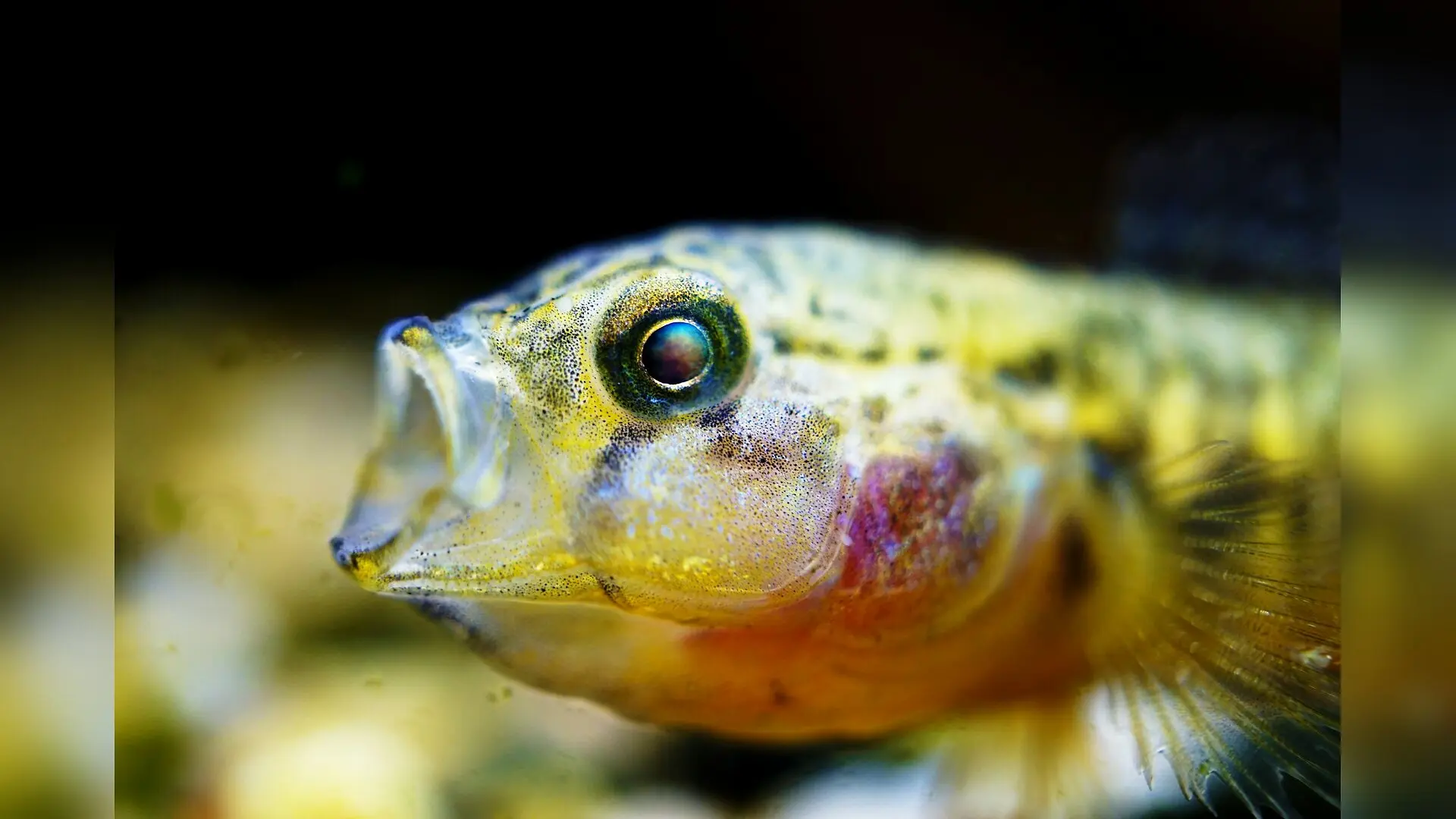
When Nicaraguan Midas cichlid fish evolved different body shapes to colonize open waters versus lake bottoms, they skipped a major evolutionary playbook used by most other fish. Rather than altering their total bone count or stretching their vertebrae, these freshwater fish reshaped specific skeletal pillars running vertically through their bodies. A study published in Ecology and Evolution reveals how 13 species of Midas cichlids (Amphilophus spp.) and related crater lake populations altered their internal scaffolding.
Many teleost fishes, which make up most of the world’s bony fish species, elongate their bodies and slim down by adding extra vertebrae. However, the researchers discovered that Midas cichlid vertebra counts and individual bone dimensions remained remarkably stable. Instead of changing vertebral numbers, the fish altered the architecture of their pectoral girdles, fin supports known as pterygiophores, and vertebral spines to drive body depth variations.
Lead researcher Nicolas Ehemann from the University of Konstanz, alongside colleagues Axel Meyer and C. Darrin Hulsey, examined wild-caught specimens and museum samples representing 19 distinct Midas cichlid lineages. Using digital X-ray imagery, the team measured standard body lengths alongside 14 internal axial skeletal traits. They evaluated fish ranging from 74 to 203 millimeters in standard length, ensuring all specimens were sexually mature adults well past the 50 millimeter threshold.
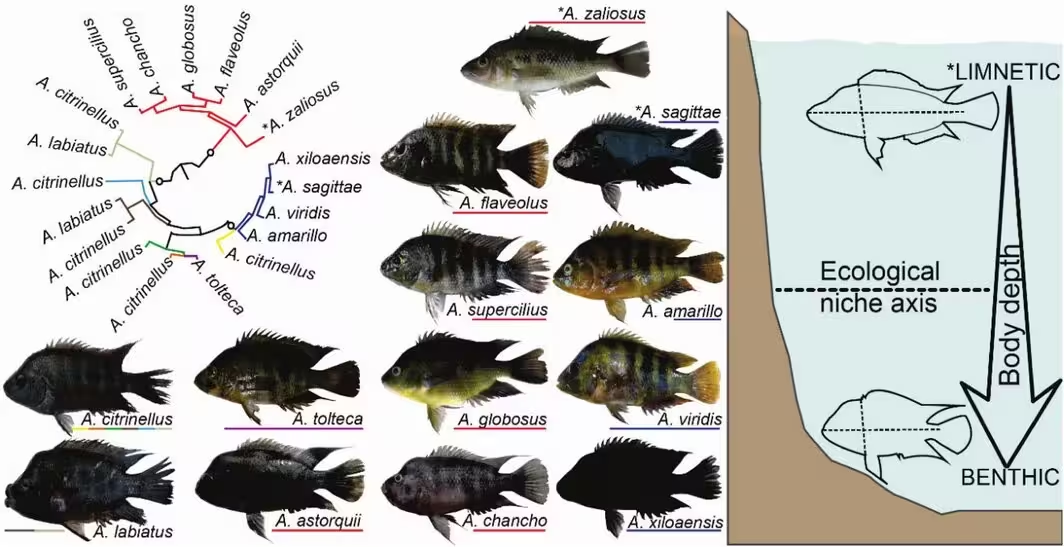
Body depth varied significantly across the group, spanning from about 37 percent of standard length in the slender, open-water specialist Amphilophus zaliosus up to nearly 50 percent in deep-bodied benthic populations like Amphilophus citrinellus from Lake Managua. When running phylogenetically controlled independent contrast correlations, the authors found that internal structures spanning the dorso-ventral axis showed strong evolutionary ties to external body depth. Specifically, pectoral girdle depth, neural spines, hemal spines, and proximal fin supports correlated strongly with how deep-bodied a fish became.
How Do Internal Bone Combinations Explain Rapid Shape Shifts?
To determine which skeletal changes mattered most, the researchers implemented linear modeling using Akaike information criteria to test various trait combinations. A two-trait model incorporating pectoral girdle depth and hemal spine length accounted for approximately 95 percent of the variation in body depth. Adding more variables did not significantly improve the statistical fit, pointing to a cohesive morphological scaffold where these vertical elements evolve in concert.
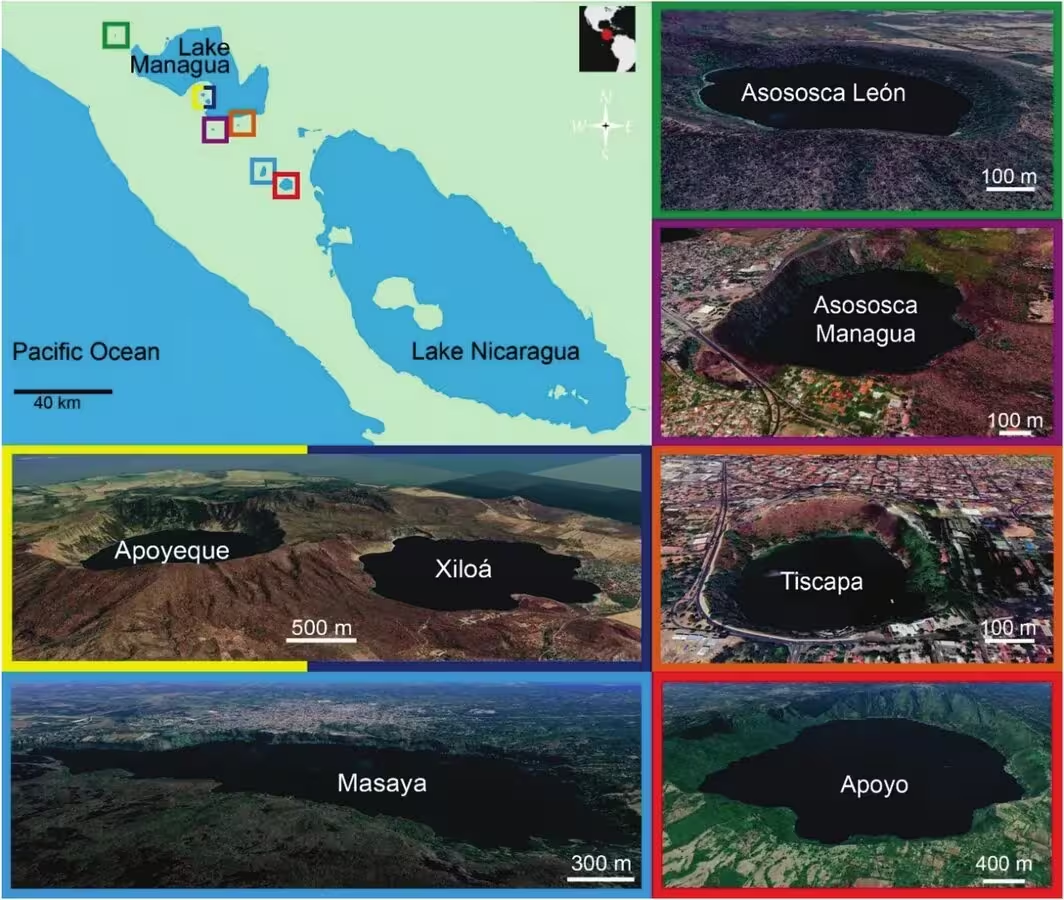
The stability of the vertebral column stands in stark contrast to these dynamic vertical structures. While individual vertebrae showed little to no correlation with overall body depth changes, the pectoral girdle and spine architecture provided a flexible mechanism for rapid diversification. This divergence occurred across volcanic crater lakes in Nicaragua that formed in the last 20,000 years.
Why Do These Skeletal Shifts Matter for Survival?
The ecological pressures driving these skeletal differences likely relate to how the fish feed and evade predators. Deeper-bodied species frequently inhabit benthic environments near the lake substrate, where robust pectoral girdles and large fin areas assist with precise maneuvering, braking, and suction feeding on bottom-dwelling prey. Conversely, slender, stream-lined forms like A. zaliosus exploit open-water limnetic zones, where a narrower profile reduces hydrodynamic drag during continuous swimming.
Furthermore, longer dorsal and anal spines may serve as a crucial defense against gape-limited predators such as piscivorous birds and larger fish found in the same crater lakes. While the researchers note that body depth traits could also function as constructional byproducts or play a role in sexual selection and mate choice, the findings demonstrate that rapid adaptive radiation can proceed entirely through internal skeletal architecture adjustments without altering vertebral counts.
The research was published in Ecology and evolution on November 21, 2026.
This article has been fact checked for accuracy, with information verified against reputable sources. Learn more about us and our editorial process.
Last reviewed on .
Article history
- Latest version
Reference(s)
- Ehemann, Nicolas R.., et al. “Axial Skeletal Divergence and Body Depth Evolution in an Adaptive Radiation of Midas Cichlid Fishes in Nicaraguan Crater Lakes.” Ecology and Evolution, vol. 16, no. 11, November 21, 2026 Wiley, doi: 10.1002/ece3.74751. <https://doi.org/10.1002/ece3.74751>.
Cite this page:
- Posted by Linda Wilson