How Human Clothing Acts As An Evolutionary Filter That Traps Thousands Of Plant Seeds
Hidden folds and footwear capture a wider variety of plant lineages than outer fabrics alone, revealing a new pathway for seed dispersal.
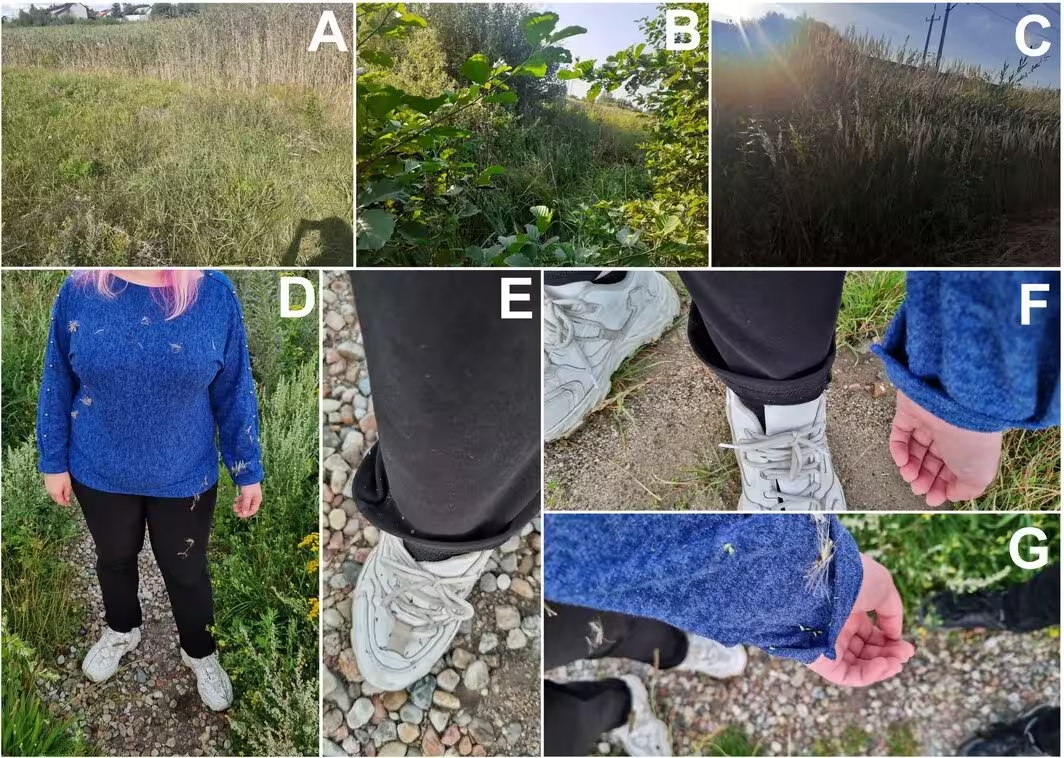
When people walk through suburban paths, their clothing acts as an ecological filter that selectively traps thousands of plant seeds through two very different pathways. Researchers found that external clothing fabrics and internal clothing traps, such as rolled trouser legs, cuffs, and shoes, capture distinct sets of plant species with varying evolutionary backgrounds. The study, published in Ecology and Evolution, reveals that these hidden folds and pockets gather a broader range of plant lineages than standard fabric surfaces alone.
How Do Clothing Traps Differ From Outer Fabric Surfaces?
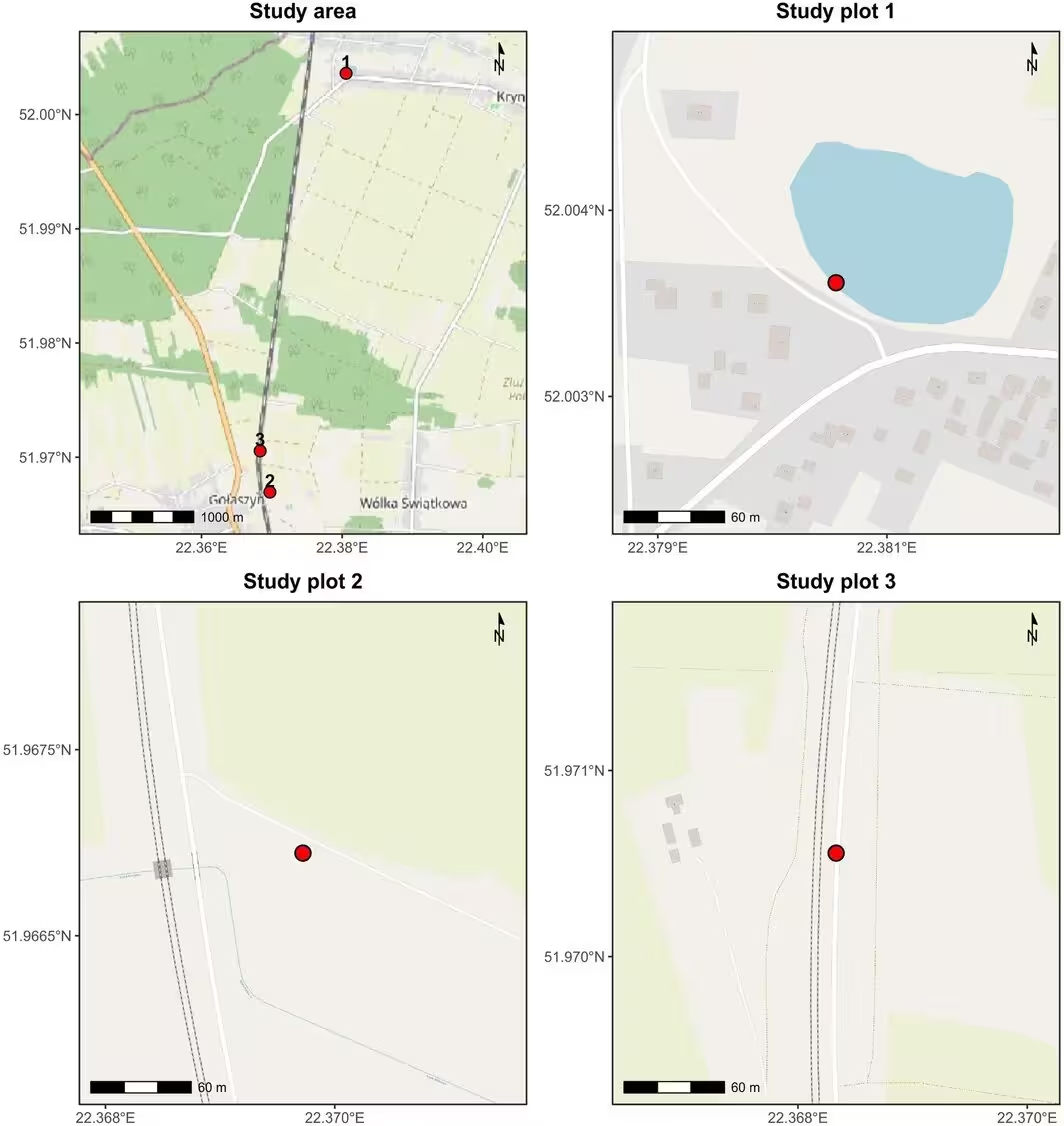
Led by Patryk Czortek from the University of Warsaw, the research team investigated how human movement transports plant diaspores, which are units for plant dispersal like seeds and fruits. While previous ecological studies focused heavily on seeds sticking directly to outer clothing textures via hooks, hairs, or sticky mucilage, they largely ignored internal pockets and folds. During field experiments conducted in 2021 across suburban landscapes in eastern Poland, an experimenter walked standardized ten-meter transects through three distinct vegetation types: riparian tall herbs, riparian tall graminoids, and nitrophilous tall herbs.
The team collected a total of eight thousand three hundred twenty-five diaspores belonging to ninety-four different plant species across twenty-seven individual walks. Out of these, six thousand two hundred eight diaspores adhered directly to outer clothing surfaces, while two thousand one hundred seventeen fell loosely into clothing traps. Common species found clinging to outer fabrics included wild carrot, Canadian fleabane, and nodding bur-marigold. Meanwhile, traps frequently gathered species lacking specialized attachment structures, such as soft rush and pale persicaria.
What Role Does Vegetation Type Play in Seed Interception?
The composition of intercepted seeds changed dramatically depending on the surrounding plant community and its structural complexity. In riparian tall graminoid communities, which featured four distinct vertical vegetation layers including scattered trees and shrubs, functional richness and functional dispersion of intercepted seeds were nearly twice as high as in other habitats. This structural complexity creates a wider vertical spectrum of seeds exposed to passing hikers.
Conversely, anthropogenically disturbed nitrophilous tall herb communities yielded the highest overall species richness. These areas featured numerous pioneer species spanning a wide variety of evolutionary lineages. Statistical modeling demonstrated that vegetation type and sample category exerted major controls on phylogenetic diversity, meaning the evolutionary distance between intercepted species varied predictably across different habitats.
Why Does This Seed Filtering Matter for Plant Dispersal?
Treating human clothing as a single uniform sampling unit overlooks critical ecological dynamics in plant migration. Outer fabrics tend to catch seeds with specialized adhesive traits, but these exposed diaspores are easily noticed and brushed off shortly after a walk ends. In contrast, seeds that slip into shoes or rolled trouser legs remain hidden until the garments are thoroughly washed or changed.
This hidden accumulation means clothing traps can potentially prolong retention times and increase the likelihood of long-distance seed transport across fragmented habitats. By recognizing that clothing architecture actively filters specific functional traits rather than just randomly sampling the environment, scientists gain a more complete picture of how human mobility reshapes suburban ecosystems and plant connectivity.
The research was published in Ecology and evolution on November 20, 2026.
This article has been fact checked for accuracy, with information verified against reputable sources. Learn more about us and our editorial process.
Last reviewed on .
Article history
- Latest version
Reference(s)
- Czortek, Patryk., et al. “Clothing Architecture and Vegetation Type Jointly Shape the Composition of Intercepted Diaspore Assemblages.” Ecology and Evolution, vol. 16, no. 11, November 20, 2026 Wiley, doi: 10.1002/ece3.74759. <https://doi.org/10.1002/ece3.74759>.
Cite this page:
- Posted by Linda Wilson