Electronic Trap Monitors Cut Confinement Time for Captured Wild Mammals by Twenty-Five Percent
A multi-year field study across six German states reveals how smart trap sensors improve animal welfare, though human availability and technical glitches still pose hurdles.

When volunteer trappers in Germany used electronic monitoring units on live traps between 2022 and 2024, their median response time to check a triggered trap dropped by roughly twenty-five percent compared to manual checks, pointing to a way to reduce stress and injury for captured mammals.
Live trapping of free-ranging mammals is widely practiced for species conservation, research, and pest control. However, prolonged confinement inside traps causes severe physiological stress, injuries, and even death for vulnerable animals with high metabolic demands, such as raccoons and small rodents.
To evaluate whether modern technology can solve this welfare challenge, researchers examined ninety-one devices across four commercial electronic trap monitoring systems in a field study published in PLOS One. The investigation was led by Franziska Sommer and colleagues at Justus Liebig University Giessen, involving twenty-six volunteer trappers operating across six German federal states.
How Did Electronic Monitoring Change Response Times in the Field?
During the initial phase of the study, trappers operated without access to automated notifications to simulate traditional trapping routines. In this unnotified group, the median response time to inspect a triggered trap was 8.06 hours.
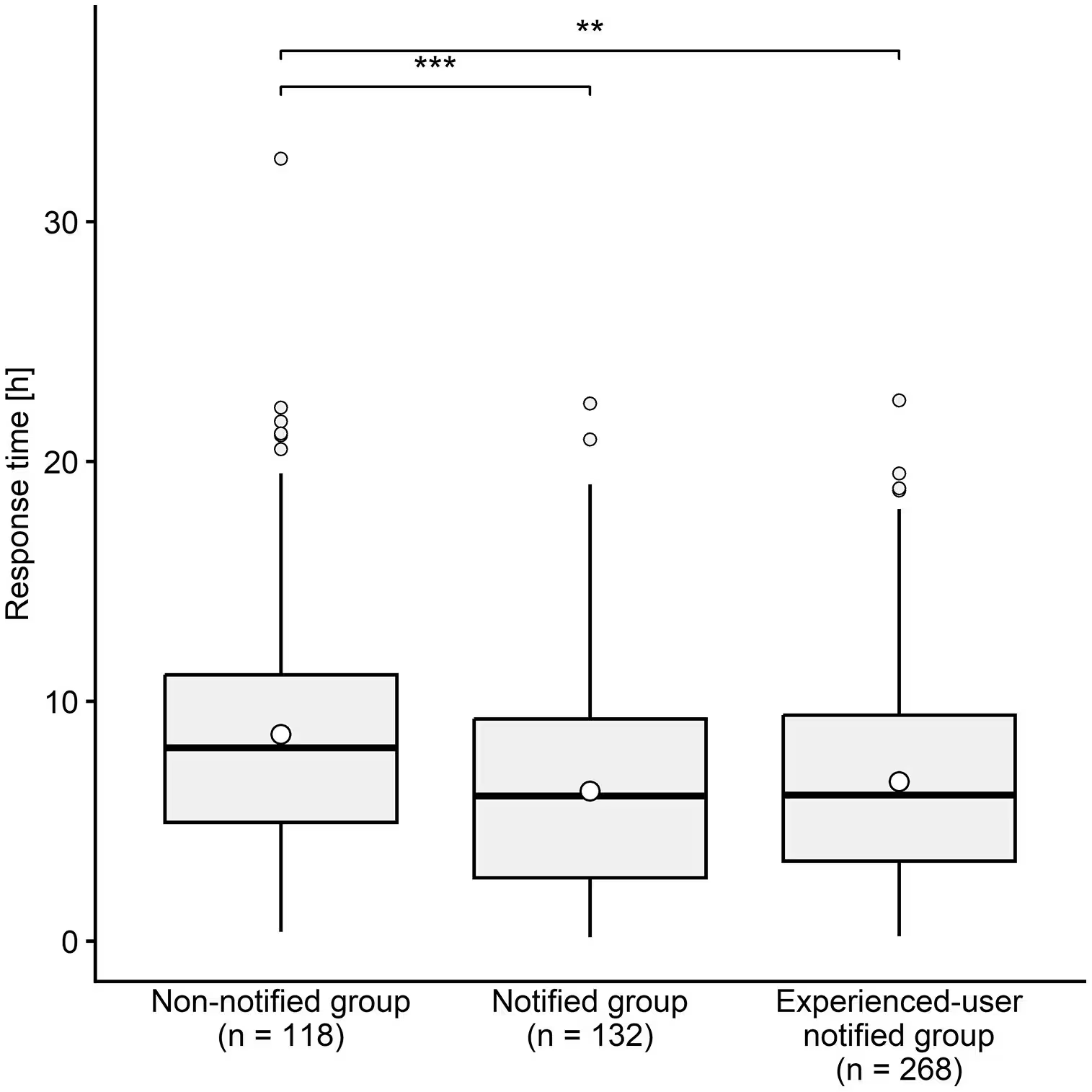
When the same participants regained access to automated alarm notifications sent via mobile apps and web browsers, their median response time fell to 6.05 hours. A separate group of experienced users who relied on private monitoring systems achieved a nearly identical median response time of 6.08 hours.
Statistical analysis confirmed that both notified groups responded significantly faster than the unnotified group. This faster reaction window directly shortens the period an animal spends confined, mitigating the risks of dehydration, self-mutilation, and capture-related trauma.
Why Did Retired Operators React Faster Than Employed Trappers?
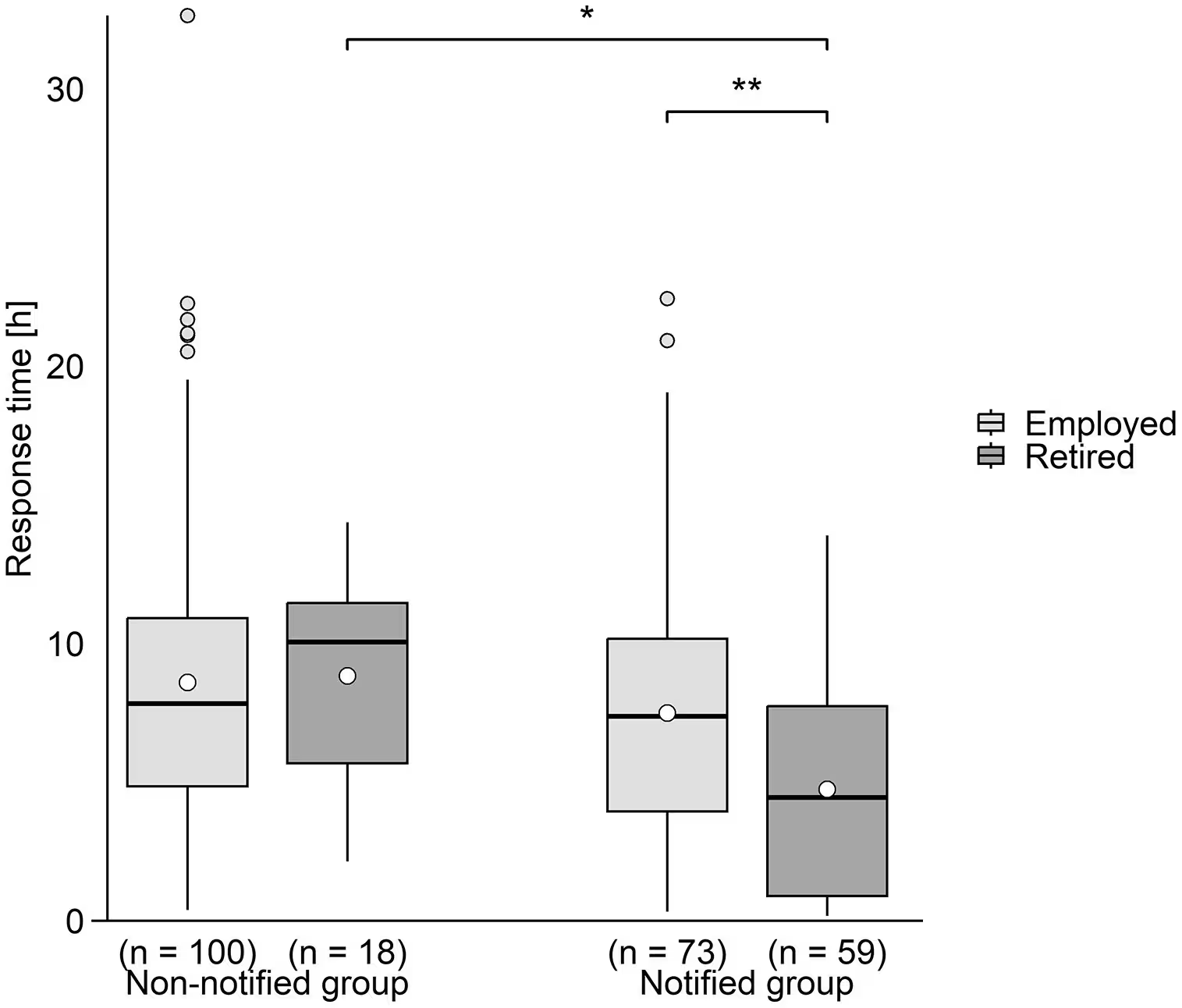
The study revealed that temporal availability strongly dictates how effectively monitoring technology protects animal welfare. Retired participants using the notification systems achieved a median response time of 4.43 hours, which was significantly faster than employed participants under the same conditions.
Occupational commitments, nighttime travel restrictions, and legal limitations on using artificial lights for hunting in Germany often delay immediate night-time interventions. Consequently, while electronic alerts help, human availability and local regulations remain major bottlenecks for animal welfare.
Can These Devices Completely Replace In-Person Trap Checks?
The authors evaluated the field reliability of four commercial monitoring brands over more than twelve thousand device days. They discovered wide variations in hardware dependability and user-friendliness that could pose serious risks if operators rely on them blindly.
While two of the tested systems operated reliably, another brand proved difficult to install correctly for six out of eight participants, leading to unreported trap activations. A third system experienced server outages and app disruptions over multiple days, highlighting that technical failures can easily create a false sense of security.
The authors conclude that while monitoring technology significantly cuts down confinement times, successful implementation requires robust hardware, server-based signal-loss alerts, proper initial installation, and prompt human responses.
The research was published in PLOS One on November 23, 2026.
This article has been fact checked for accuracy, with information verified against reputable sources. Learn more about us and our editorial process.
Last reviewed on .
Article history
- Latest version
Reference(s)
- Sommer, Franziska., et al. “Electronic trap monitoring systems reduce operator response time during live trapping for harvest in Germany.” PLOS One, vol. 21, no. 11, November 23, 2026, pp. e0363331 Public Library of Science (PLoS), doi: 10.1371/journal.pone.0363331. <https://doi.org/10.1371/journal.pone.0363331>.
Cite this page:
- Posted by Omar Mirza