Three Quarters Of Multiple Sclerosis Patients Show Vitamin D Deficits Linked To Fatigue Confidence
Advanced modeling reveals non-linear trends, though everyday factors like work interference and weight play a larger role in daily symptom severity.

A recent cross-sectional investigation reveals that three-quarters of multiple sclerosis patients attending regional neurology clinics in Saudi Arabia have suboptimal vitamin D levels, and these biochemical markers display complex non-linear relationships with fatigue management confidence and pain. The study, which evaluated 246 participants, shows that while vitamin D insufficiency is highly prevalent, everyday factors such as work interference and body mass index carry stronger adjusted associations with how patients experience fatigue and pain.
How Does Vitamin D Interact With Multiple Sclerosis Symptoms?
Multiple sclerosis is a chronic inflammatory condition of the central nervous system that causes demyelination and progressive neurological dysfunction, often resulting in severe fatigue and pain for young adults. Lead author Samia Eaid Elgazzar and colleagues from regional governmental hospitals in the Qassim region explored whether serum vitamin D concentration correlates with fatigue self-efficacy, which is a patient confidence measure regarding activity regulation, and pain severity, published in PLOS One. The biological rationale is that vitamin D receptors are expressed on key immune cells, and calcitriol can modulate inflammatory responses that potentially influence downstream symptoms.
The average age of participants was 32.6 years, and 64.2% were women. Researchers used structured face-to-face questionnaires alongside electronic medical records to gather sociodemographic data, disease characteristics, and vitamin D measurements. The mean serum 25-hydroxyvitamin D concentration stood at 22.8 nanograms per milliliter, with 73.6% of participants with recorded values falling below the 30 nanogram per milliliter threshold for sufficiency. More than 45% of the cohort had undergone their most recent vitamin D test more than five months before study participation.
What Did Advanced Statistical Models Reveal About Symptoms?
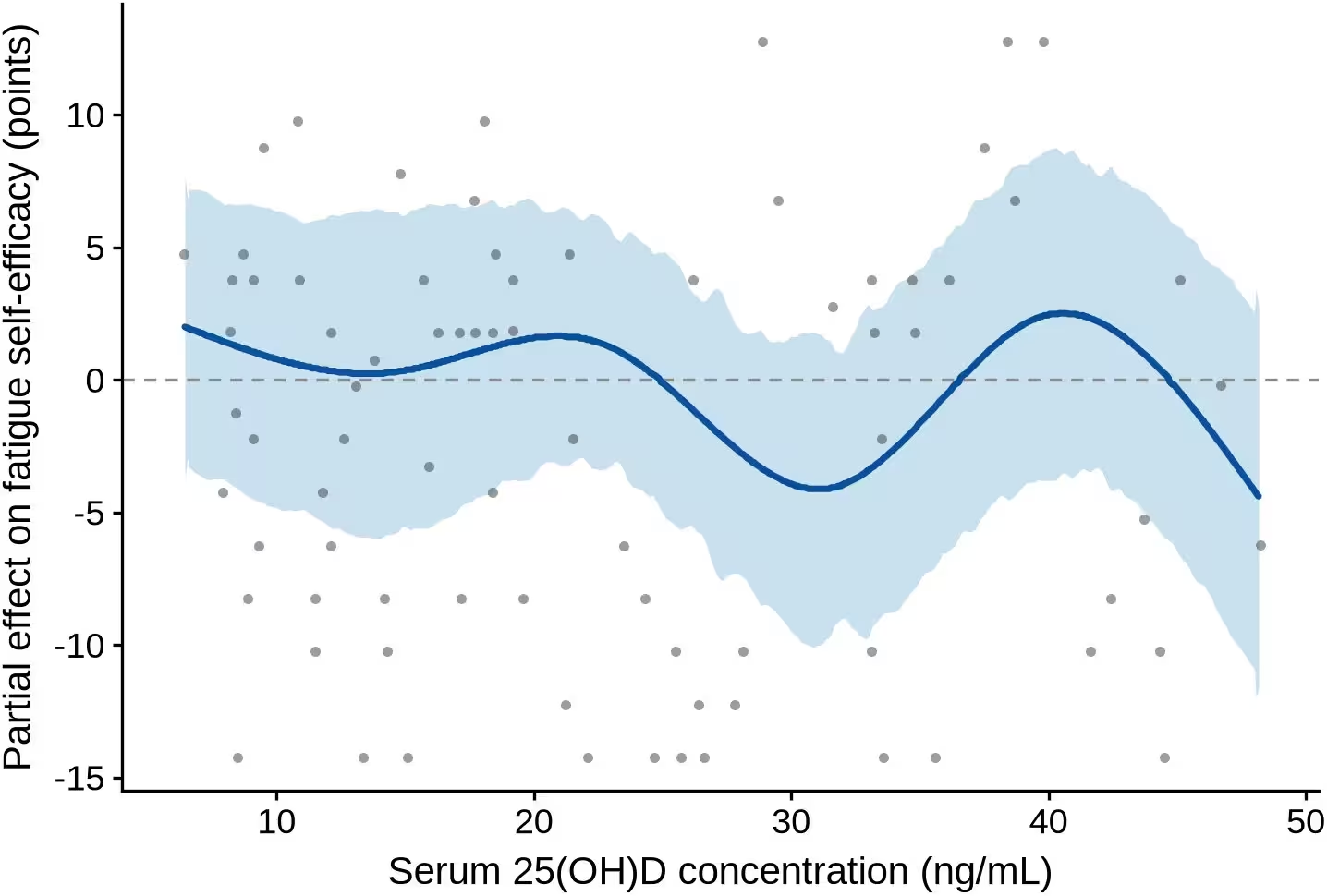
To move beyond simple linear assumptions, the team utilized generalized additive models, which allow researchers to estimate data-adaptive, smooth functions. This advanced modeling indicated significant non-linear partial associations between serum vitamin D and both fatigue self-efficacy and total pain burden. For fatigue self-efficacy, the relationship tended to plateau at higher concentrations, and sensitivity analyses restricted to participants tested within the preceding five months supported this inverse association.
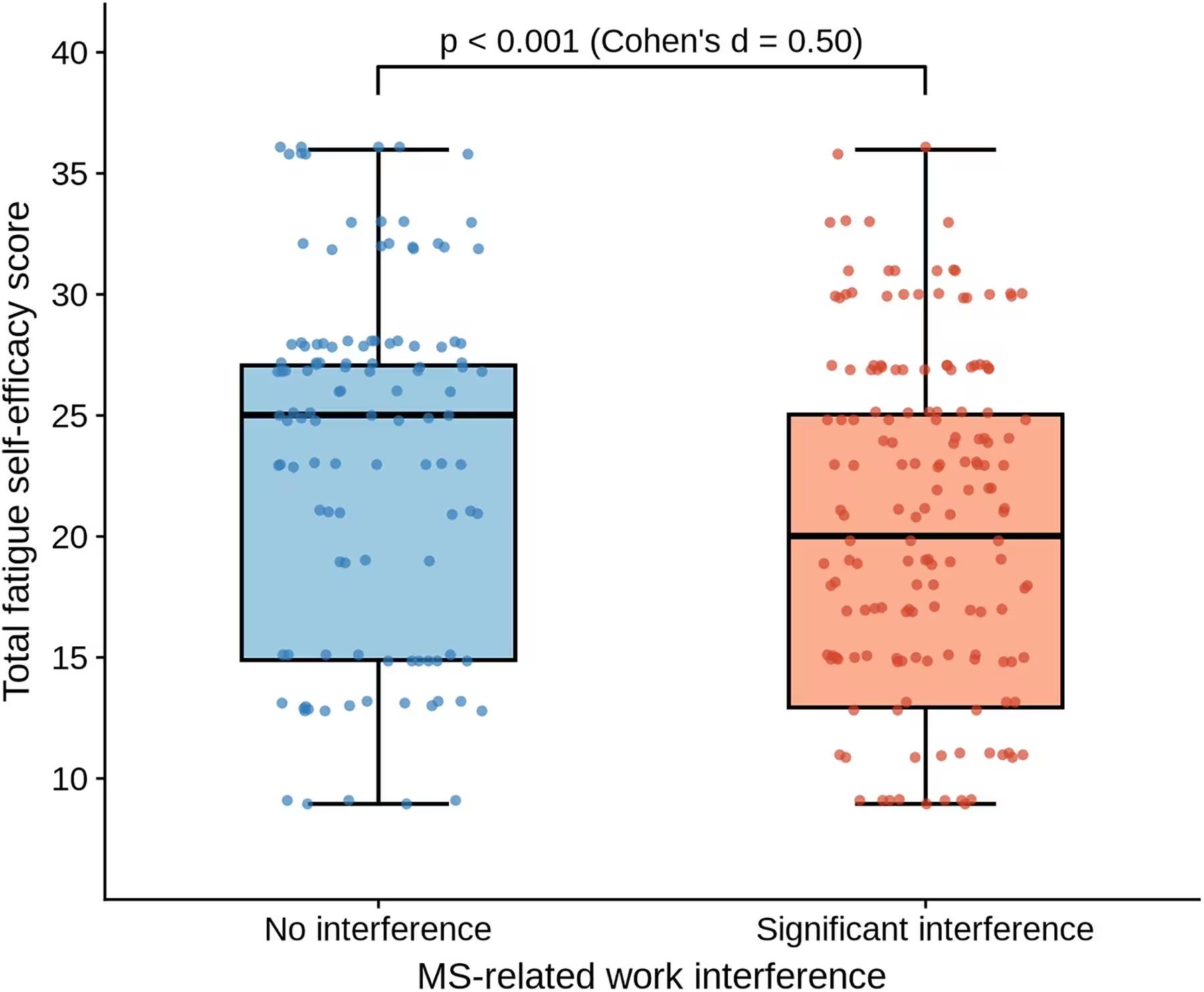
However, the analysis of predictor hierarchy showed that biochemical markers did not act as the sole drivers of patient burden. Work interference related to multiple sclerosis showed the largest adjusted association with lower fatigue self-efficacy, showing a notable drop in confidence among individuals whose employment was affected by the disease. Meanwhile, body mass index demonstrated the largest adjusted association with total pain burden, pointing to the importance of physical and metabolic factors.
What Are the Clinical Limitations and Future Steps?
Because the investigation relied on an analytical cross-sectional design, the authors caution that the findings describe associations observed within the specific data and do not establish causal or temporal relationships. Furthermore, convenience sampling from regional neurology clinics limits the generalizability of the findings to the broader population, and important potential confounders such as depression, sleep quality, and specific medication classes were not available in the dataset. The non-linear signal for pain burden also lacked robustness across all sensitivity specifications, meaning that relationship remains provisional.
The authors conclude that while vitamin D assessment and supplementation remain important parts of general medical care given the high prevalence of deficiency, clinical management must extend beyond biochemical optimization. Comprehensive rehabilitation programs should integrate occupational support, weight management, and psychosocial strategies to help patients navigate the multidimensional challenges of living with multiple sclerosis.
The research was published in PLOS One on November 23, 2026.
This article has been fact checked for accuracy, with information verified against reputable sources. Learn more about us and our editorial process.
Last reviewed on .
Article history
- Latest version
Reference(s)
- Eaid Elgazzar, Samia., et al. “Vitamin D levels, fatigue self-efficacy, and pain severity among patients with multiple sclerosis: A cross-sectional study in Saudi Arabia.” PLOS One, vol. 21, no. 11, November 23, 2026, pp. e0362350 Public Library of Science (PLoS), doi: 10.1371/journal.pone.0362350. <https://doi.org/10.1371/journal.pone.0362350>.
Cite this page:
- Posted by Susan White