Advanced Insulin Delivery Yields Major Health Gains in Japan
A lifetime health economic model shows automated closed-loop pumps meet Japanese cost-effectiveness standards despite high upfront device expenses.
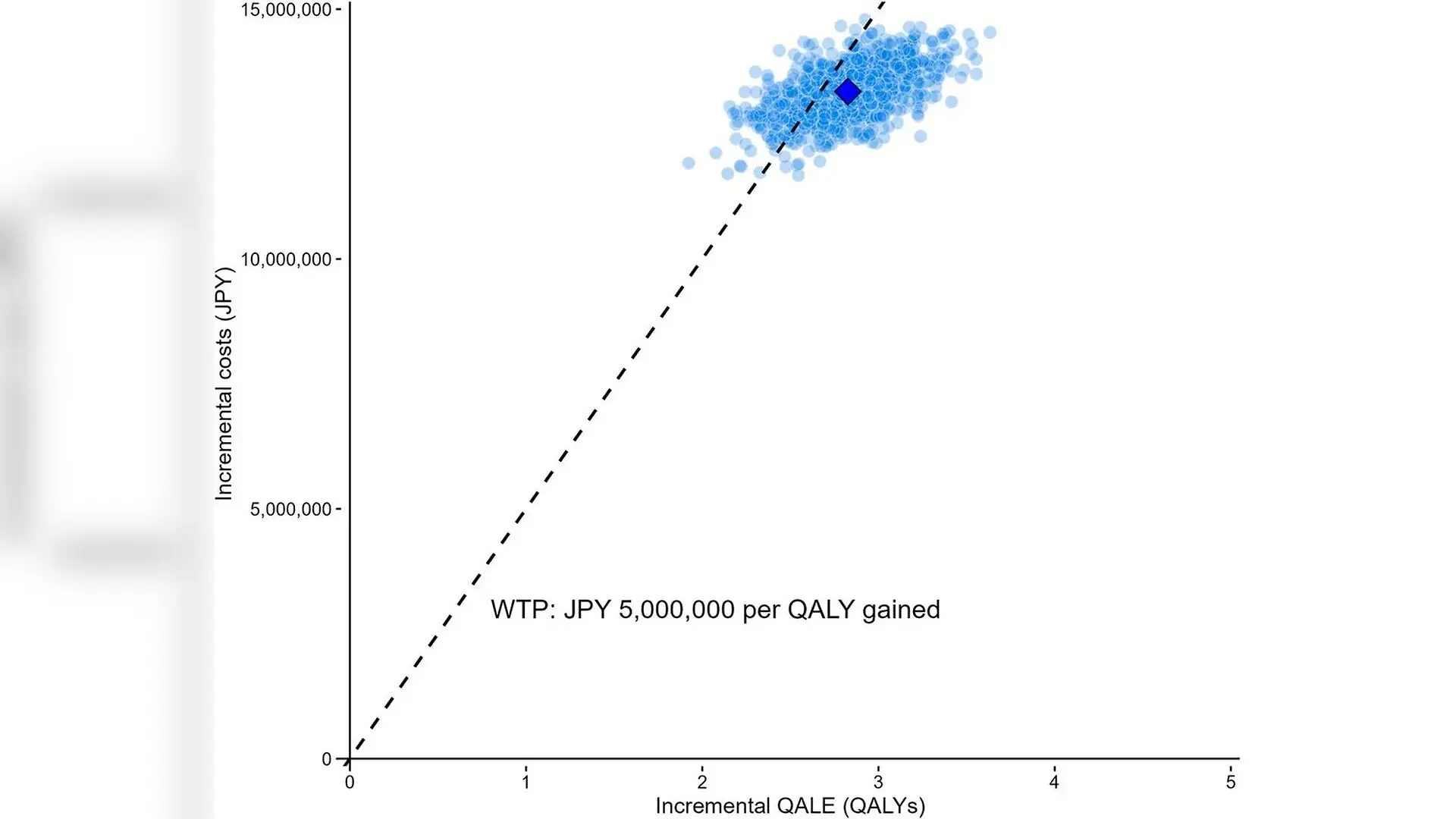
An advanced closed-loop insulin delivery system can extend quality-adjusted life expectancy by nearly three years in adults living with type 1 diabetes in Japan, according to a health economic evaluation. The study assessed whether the significant upfront costs of modern diabetes technology are offset by long-term health savings in a country where only a small fraction of patients currently achieve recommended blood sugar targets.
The research, published in the Journal of Diabetes Investigation, evaluated the long-term cost-effectiveness of the MiniMed 780G advanced hybrid closed-loop system compared to traditional multiple daily insulin injections combined with continuous glucose monitoring. Noriko Kodani and colleagues constructed a computer-based simulation model using clinical data from a 14-center randomized controlled trial to project lifetime outcomes over a 55-year time horizon from a payer perspective.
How Automated Insulin Delivery Shapes Long-Term Health Outcomes
Type 1 diabetes carries a heavy clinical burden in Japan, where epidemiological data indicate that affected individuals face a life expectancy more than eight years shorter than the general population. While continuous glucose monitoring and insulin pumps help manage blood sugar levels, fewer than a quarter of Japanese patients with type 1 diabetes reach target levels of glycated hemoglobin, commonly known as HbA1c, which measures average blood sugar over three months. The MiniMed 780G system integrates a continuous glucose monitor and an insulin pump to automate basal insulin adjustments and deliver automatic correction boluses when blood glucose levels rise.
In the base-case simulation, researchers found that adopting the automated system yielded an incremental gain of 2.83 quality-adjusted life years, alongside a life expectancy increase of 1.51 years. Quality-adjusted life years combine length and quality of life into a single metric. The technology also extended the time patients spent completely free of diabetes-related complications by an estimated 2.94 years.
Balancing Upfront Device Costs Against Complication Savings
While treatment costs for the automated system were substantially higher by JPY 16,226,167 over a lifetime, these expenses were partially offset by reductions in the cost of managing long-term complications. The model projected lower expenditures for cardiovascular disease, renal complications, eye disorders, and severe hypoglycemic events requiring medical assistance. These clinical improvements resulted in a net cost difference of JPY 13,350,942.
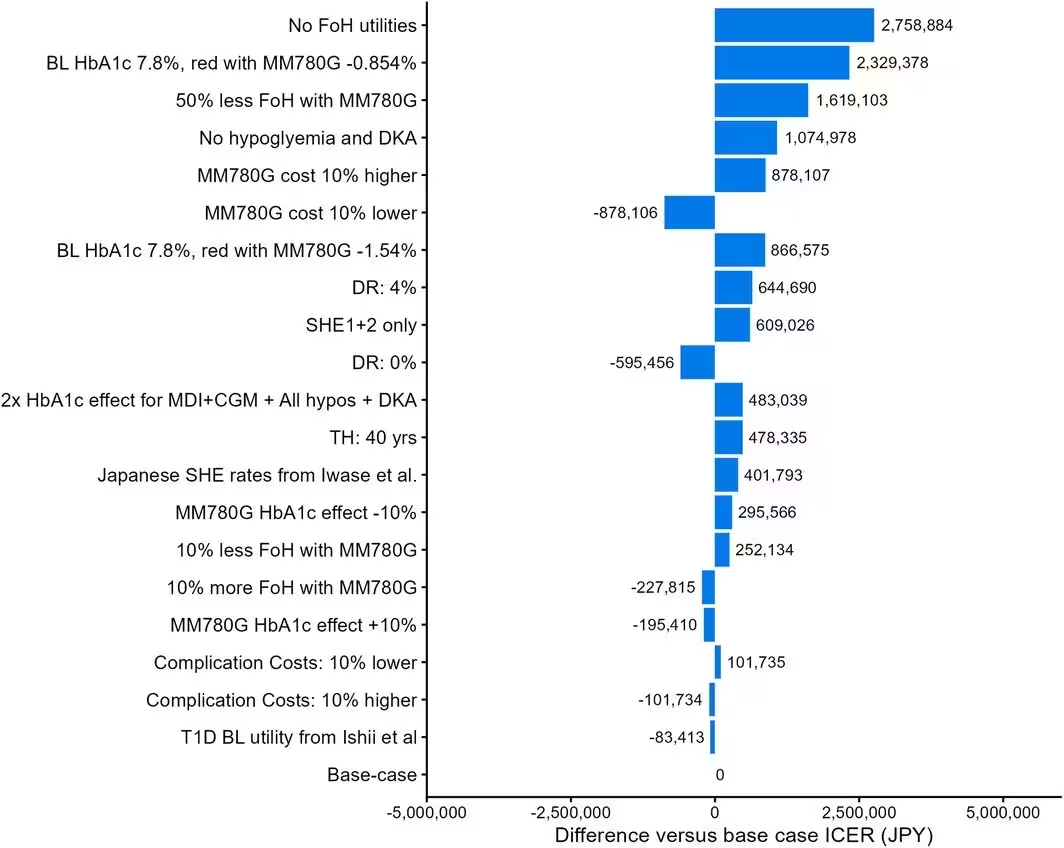
The resulting incremental cost-effectiveness ratio landed at JPY 4,723,991 per quality-adjusted life year gained. This figure falls below the established Japanese willingness-to-pay threshold of JPY 5,000,000 per quality-adjusted life year, leading the authors to conclude that the device is cost-effective. A probabilistic sensitivity analysis further indicated a 76.9% probability of cost-effectiveness at this threshold.
Understanding Model Limitations and Sensitivity Factors
The analysis revealed that overall cost-effectiveness is highly sensitive to the assumed time horizon, baseline blood sugar levels, and psychological benefits such as reduced fear of hypoglycemia. When researchers tested shorter time horizons of 10 or 25 years, the cost-effectiveness ratios exceeded the standard threshold because the long-term health benefits had less time to accrue. Additionally, removing utility benefits associated with reduced anxiety around low blood sugar pushed the cost-effectiveness ratio above the acceptable limit.
The study authors acknowledged several limitations, including the reliance on clinical trial data collected in Europe rather than Japan for baseline patient characteristics and initial treatment effects. Furthermore, the model did not account for indirect societal costs such as lost workplace productivity or caregiver burden due to a lack of recent Japanese data. The researchers emphasize that broader policy support and reimbursement systems are needed to improve patient access to advanced diabetes technology across Japan.
The research was published in Journal of diabetes investigation on October 31, 2026.
This article has been fact checked for accuracy, with information verified against reputable sources. Learn more about us and our editorial process.
Last reviewed on .
Article history
- Latest version
Reference(s)
- Kodani, Noriko., et al. “Cost‐effectiveness analysis comparing advanced hybrid closed‐loop automated insulin delivery with multiple daily insulin injections and continuous glucose monitoring in adults with type 1 diabetes in Japan.” Journal of Diabetes Investigation, October 31, 2026 Wiley, doi: 10.1111/jdi.70459. <https://doi.org/10.1111/jdi.70459>.
Cite this page:
- Posted by David Anderson