Tailored Therapy Cuts Bipolar Relapse Risk in Half
A multi-center clinical trial in Pakistan reveals that individual culturally adapted psychoeducation significantly prolongs time between mood episodes.
Adults living with bipolar disorder in Pakistan who received a culturally tailored conversational program alongside their standard medication experienced nearly half the relapse risk of those receiving routine care alone over a 48-week period. The clinical trial evaluated a tailored psychological intervention designed to address local mental health stigmas, language barriers, and family structures in a lower-middle-income nation where structured psychotherapy is rarely accessible in routine practice.
Bipolar disorder is a chronic and highly recurrent condition where preventing future mood episodes, preserving daily functioning, and recovering quality of life remain central goals of maintenance treatment. Although pharmacotherapy forms the cornerstone of clinical management, many patients continue to experience residual symptoms, repeated mood episodes, impaired social functioning, and high rates of mortality despite taking their prescribed medications. Relapse prevention typically requires more than drug therapy alone, relying on adjunctive psychosocial interventions to help patients understand their illness, recognize early warning signs, improve treatment adherence, and regulate daily routines.
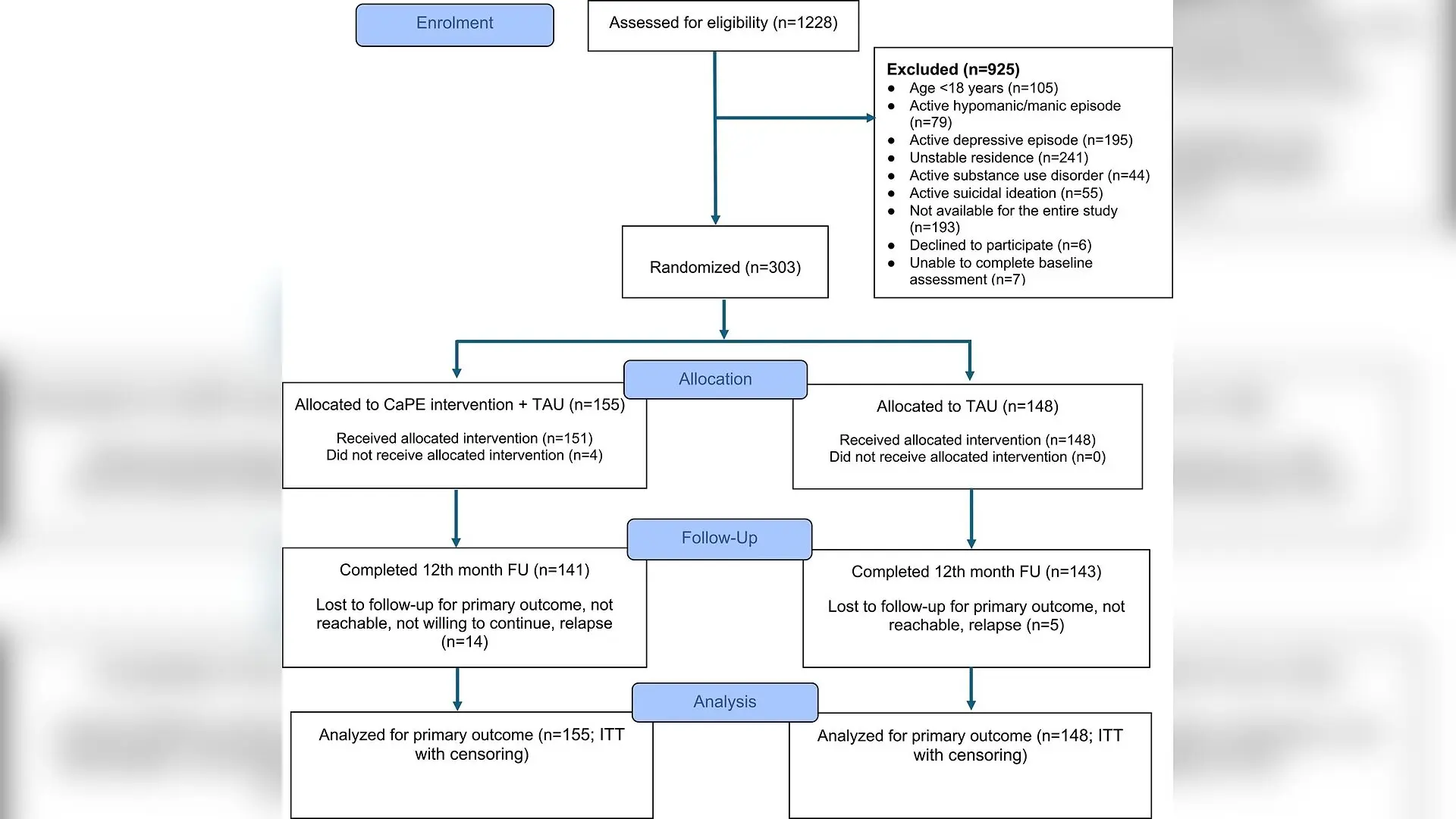
The research team led a multi-centre, assessor-masked, parallel-group randomized controlled trial across seven urban centers in Pakistan, including Karachi, Lahore, and Rawalpindi. They investigated the impact of culturally adapted psychoeducation, which was delivered as a 1-to-1 intervention by master’s-level clinical psychologists over 12 weekly sessions. The details of this evaluation were published in EClinicalMedicine, outlining how the program combined structured presentations with practical exercises like life charting and relapse trigger identification.
How the Culturally Adapted Therapy Was Implemented
The study enrolled 303 adult participants who were diagnosed with bipolar I or bipolar II disorder and were currently in remission and euthymic, meaning they had stable symptom scores at study entry. Participants were randomly assigned in a 1:1 ratio to receive either culturally adapted psychoeducation plus treatment-as-usual or treatment-as-usual alone. Routine care in these settings generally consists of pharmacotherapy delivered through medical and psychiatric clinics with virtually no access to formal, structured psychotherapy.
The therapeutic sessions were explicitly modified from standard European models to fit the cultural and linguistic context of Pakistan. Rather than using group formats, which can suffer from low engagement due to local privacy concerns and public stigma surrounding mental illness, the program was delivered individually. It utilized the Urdu language, culturally familiar idioms, local illness explanatory models, folk narratives, and optional family involvement to maximize personal relevance and comprehension.
Key Findings on Relapse Risk and Recovery Scores
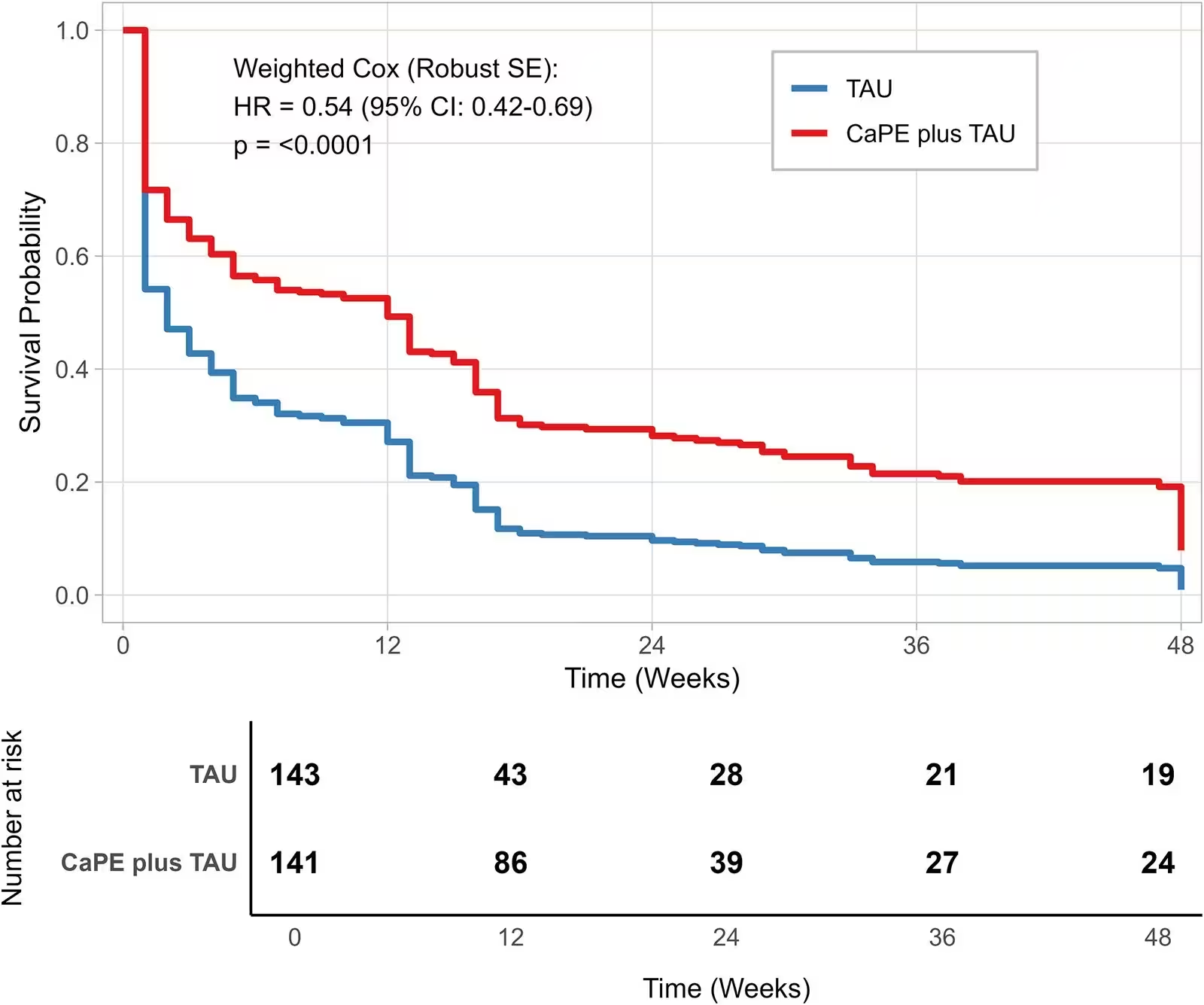
Over the 48-week follow-up period, data were successfully gathered for 93.7 percent of the participants. The primary time-to-event analysis revealed that the tailored intervention significantly prolonged the time to recurrence of any mood episode. Participants in the intervention arm demonstrated an adjusted hazard ratio of 0.54, pointing to an estimated 46 percent lower risk of mood episode recurrence compared to those receiving routine care alone.
Secondary outcomes showed wide-ranging clinical improvements across multiple standardized measures. Personal recovery scores, assessed via the Bipolar Recovery Questionnaire, were substantially higher in the intervention group at all post-baseline evaluations. Patients also exhibited significant enhancements in illness-related knowledge and attitudes, better medication adherence, and a marked reduction in depressive symptom burden throughout the year.
Limitations and Future Directions in Global Mental Health
The authors noted several important limitations to keep in mind when interpreting these findings. Because participants and treating clinicians could not be blinded to the treatment assignment, expectancy effects or disappointment in the control group could have influenced self-reported behaviors. Furthermore, the sample was drawn exclusively from urban outpatient psychiatric clinics and required participants to be stable and euthymic at baseline, meaning the results may not generalize to acutely unwell patients, individuals with active substance use disorders, or people living in rural regions.
Despite these caveats, the trial demonstrates that task-shared psychological interventions delivered by trained non-specialist professionals can bridge critical treatment gaps in under-served populations. Future investigations will need to evaluate the cost-effectiveness of the program and determine whether periodic booster sessions can sustain these clinical gains over even longer time horizons.
The research was published in EClinicalMedicine on November 1, 2026.
This article has been fact checked for accuracy, with information verified against reputable sources. Learn more about us and our editorial process.
Last reviewed on .
Article history
- Latest version
Reference(s)
- Husain, M. Ishrat., et al. “Culturally adapted psychoeducation for bipolar disorder: a multicentre, assessor-masked, randomised controlled trial.” eClinicalMedicine, vol. 101, November 1, 2026, pp. 104271 Elsevier BV, doi: 10.1016/j.eclinm.2026.104271. <https://doi.org/10.1016/j.eclinm.2026.104271>.
Cite this page:
- Posted by Sana Malik