Low-Dose Steroids Show Modest Relief for Long COVID Fatigue in Trial
A new clinical trial reveals that a 28-day course of prednisolone reduces post-COVID symptom severity, though researchers urge caution over clinical relevance.
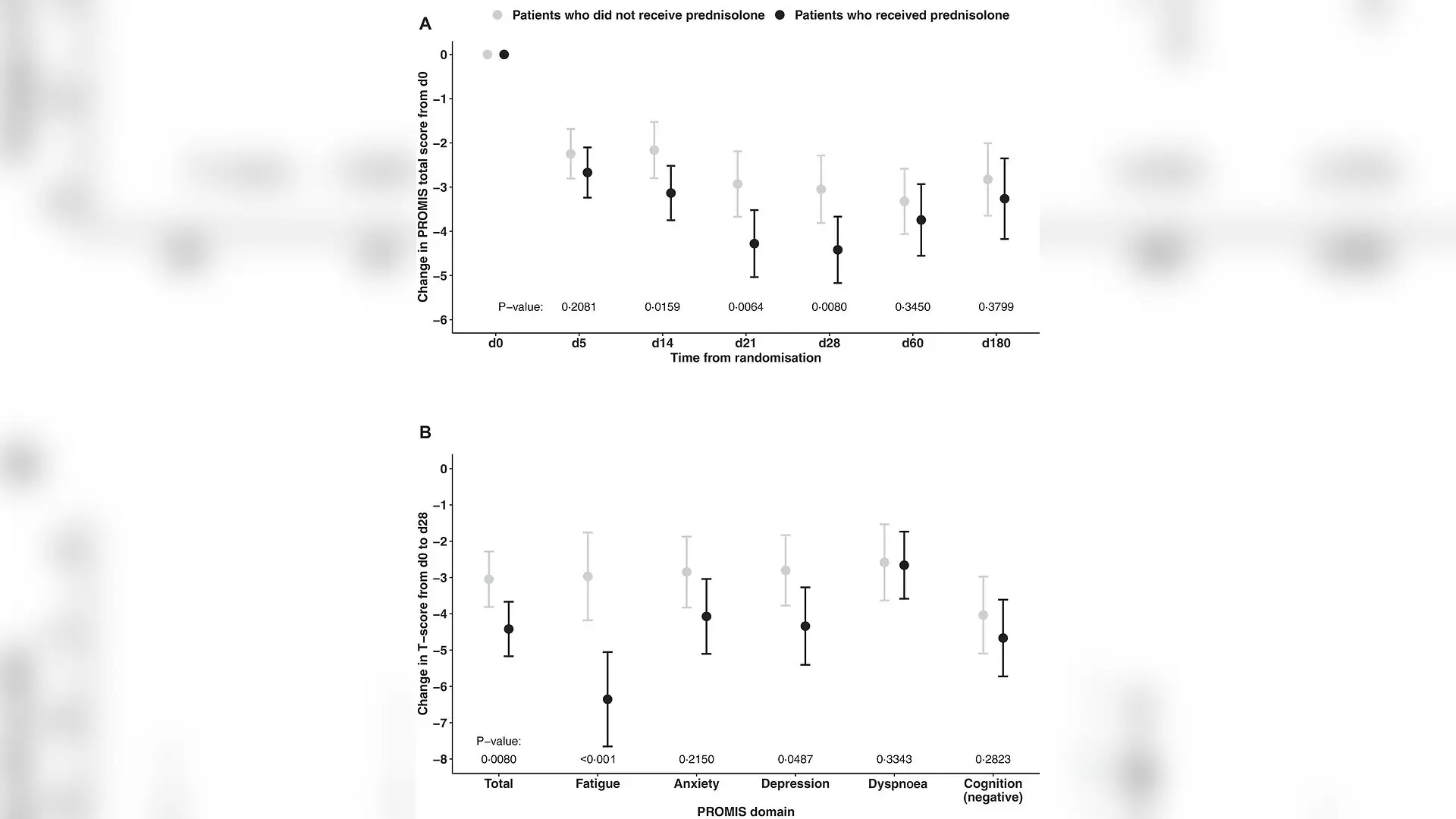
A short daily course of low-dose prednisolone yields a modest, statistically significant reduction in post-COVID-19 symptom severity, according to a newly published clinical trial, though researchers caution that the observed improvements fall short of predefined thresholds for clinical relevance. The study focused primarily on alleviating persistent fatigue, which plagues millions of individuals worldwide years after an initial SARS-CoV-2 infection.
Post-COVID-19 syndrome, commonly known as long COVID, is defined by debilitating health problems lasting more than 12 weeks after infection. Common complaints include extreme fatigue, brain fog, and shortness of breath, which severely impair quality of life and work capacity. Despite the immense public health burden, safe and effective pharmacological treatments remain exceptionally rare, leaving physicians with few evidence-based options to offer struggling patients.
How the PreVitaCOV Trial Tested Prednisolone and B Vitamins
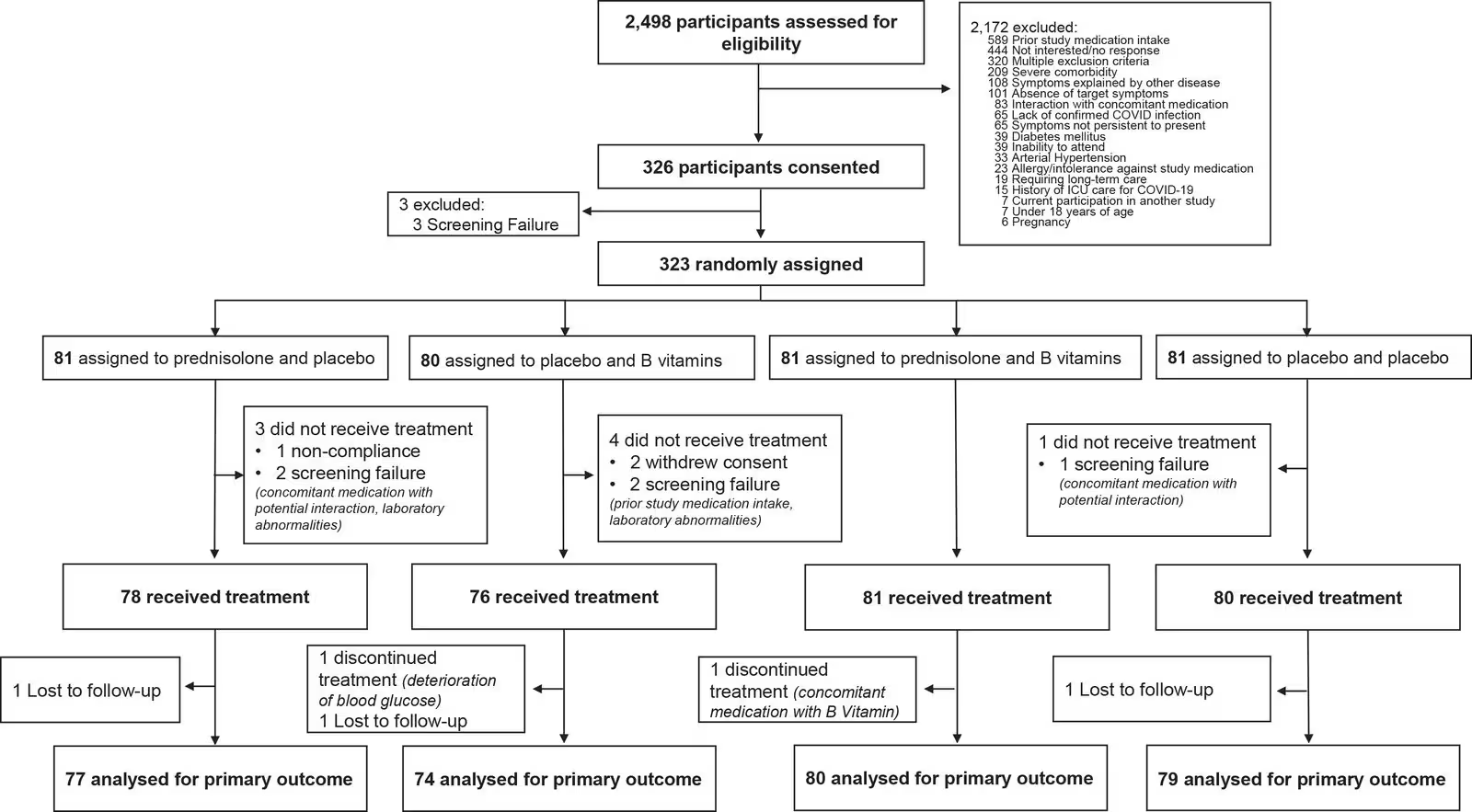
To address this therapeutic gap, investigators launched the PreVitaCOV trial, a multicentre, randomised, double-blind, placebo-controlled phase 3 study conducted across three university medical sites in Germany, which was published in EClinicalMedicine. The trial enrolled 323 adult participants experiencing persistent post-COVID symptoms at a median duration of 79 weeks following their initial infection. Researchers evaluated whether a 28-day course of low-dose prednisolone, a common corticosteroid, or a combination of high-dose B vitamins (thiamine, pyridoxine, and cyanocobalamin) could alleviate overall symptom severity compared to a placebo.
Participants were assigned using a factorial design to receive either prednisolone, B vitamins, both treatments combined, or matching placebos. The prednisolone regimen started at 20 milligrams daily for the first five days before tapering down to 5 milligrams daily for the remaining 23 days. The primary endpoint measured changes in overall symptom severity from baseline to day 28 using a customised Patient-Reported Outcomes Measurement Information System composite score.
Modest Symptom Relief Driven Largely by Fatigue Reduction
At the end of the 28-day treatment period, patients receiving prednisolone experienced a statistically significant reduction in overall symptom scores compared to those who did not receive the steroid. However, the researchers emphasize that this average between-group difference did not achieve the prespecified three-point threshold required to be considered clinically meaningful on an individual level.
Detailed subscore analyses revealed that the therapeutic benefit was driven primarily by improvements in fatigue. Patients treated with prednisolone saw a notable drop in fatigue severity scores. In contrast, supplementation with B vitamins showed no statistically significant or clinically meaningful difference when compared against no B vitamins, performing similarly to the placebo group.
Weighing the Benefits Against Potential Risks
While the findings point to a measurable anti-inflammatory effect from short-term corticosteroid use, medical experts caution against routine prescriptions for long COVID without careful risk assessment. Systemic corticosteroids carry known side effects, including elevated blood sugar, increased blood pressure, mood disturbances, and potential risks of long-term metabolic disruption.
Furthermore, the trial observed significant improvements across all study arms, including the placebo group, highlighting a strong placebo response common in conditions dominated by subjective symptoms like chronic fatigue and pain. Because the positive effects of prednisolone attenuated after medication was stopped, future research must determine whether longer treatment durations or targeted biomarker profiling can identify specific patient subsets who might benefit safely from such interventions.
The research was published in EClinicalMedicine on November 1, 2026.
This article has been fact checked for accuracy, with information verified against reputable sources. Learn more about us and our editorial process.
Last reviewed on .
Article history
- Latest version
Reference(s)
- Gágyor, Ildikó., et al. “Low-dose prednisolone and B vitamins for post-COVID-19 syndrome in Germany: the PreVitaCOV randomised clinical trial.” eClinicalMedicine, vol. 101, November 1, 2026, pp. 104264 Elsevier BV, doi: 10.1016/j.eclinm.2026.104264. <https://doi.org/10.1016/j.eclinm.2026.104264>.
Cite this page:
- Posted by David Anderson