New Clinical Study Reveals How Respiratory Therapy Improves Patient Recovery Rates In Hospitals
Researchers examine personalized treatment plans and modern monitoring techniques to optimize care for chronic lung conditions.
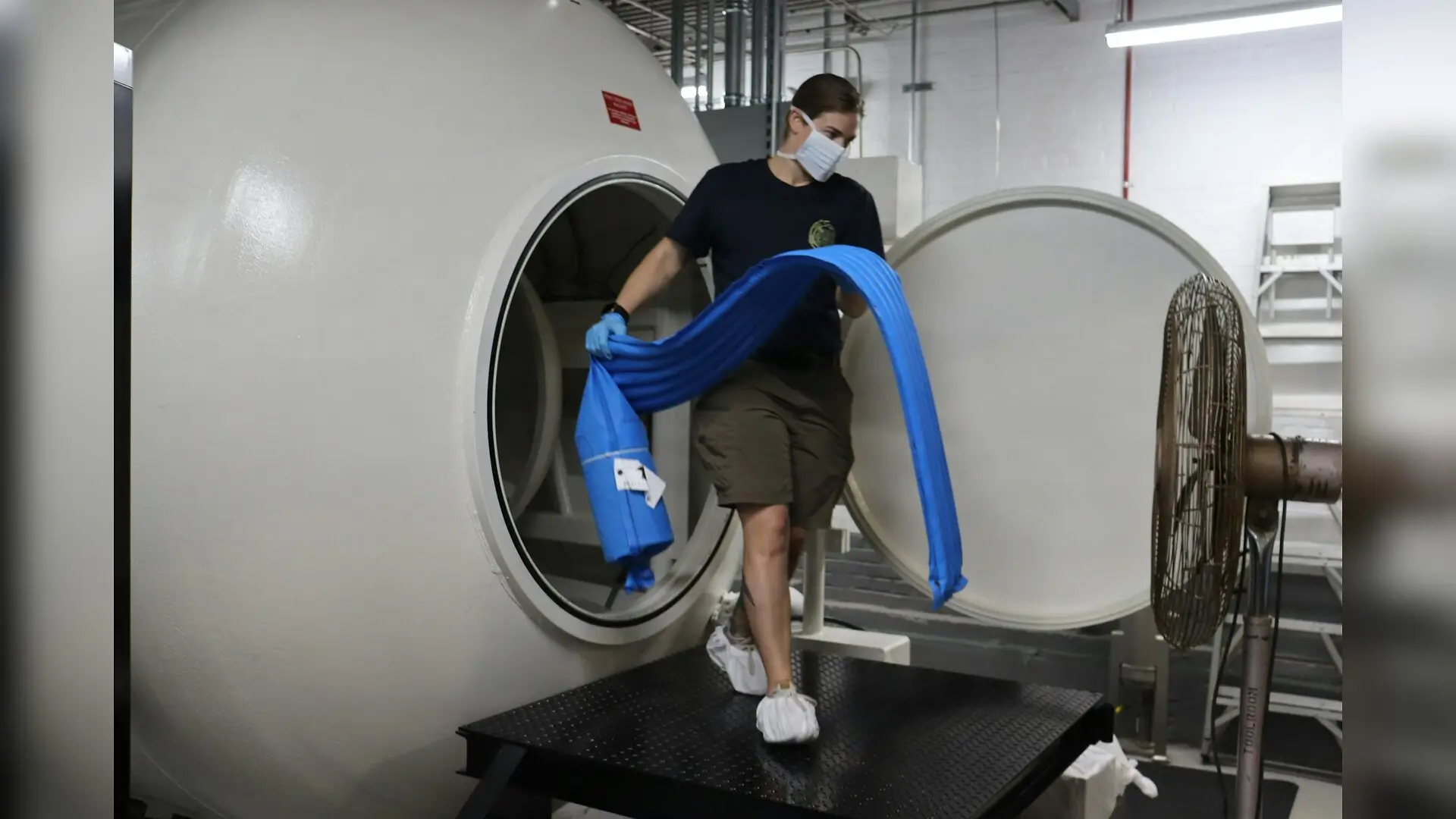
Breathing difficulties and chronic lung conditions affect millions of people worldwide, yet new insights into respiratory care continue to emerge from clinical research. A study published in the Canadian Journal of Respiratory Therapy: CJRT = Revue Canadienne de la Thérapie Respiratoire : RCTR examines how modern therapeutic interventions impact patient outcomes in clinical settings.
How Do Respiratory Therapists Improve Patient Recovery Rates?
Respiratory therapy encompasses a wide variety of specialized treatments designed to assist individuals suffering from acute and chronic breathing disorders. The research highlights the critical role that healthcare professionals play in monitoring lung function and administering targeted therapies. Clinical observations indicate that early intervention often leads to shorter hospital stays and improved overall health metrics for patients struggling with compromised airways.
Investigators analyzed data from numerous clinical encounters to understand which specific techniques yield the most reliable improvements. Their findings suggest that personalized care plans tailored to individual physiological responses perform significantly better than generalized approaches. By closely tracking oxygen saturation levels and airway resistance, clinical teams can adjust treatment parameters in real time to prevent complications.
What Are the Primary Challenges in Managing Chronic Lung Diseases?
Managing long-term respiratory ailments presents unique hurdles for both patients and medical staff. Environmental factors, lifestyle habits, and underlying genetic predispositions can all influence how a person responds to therapy. The study underscores the necessity of comprehensive patient education alongside physical treatments to ensure long-term adherence to prescribed routines.
Furthermore, resource availability within healthcare facilities often dictates the speed and efficiency of respiratory interventions. Researchers point out that standardizing protocols across different departments helps bridge the gap in care quality. These insights provide a valuable roadmap for hospitals looking to optimize their respiratory care units without compromising safety or increasing operational costs.
Where Should Clinical Practice Head Next?
Building upon these observations, future investigations will likely focus on the integration of advanced monitoring technologies and artificial intelligence in pulmonary care. Researchers emphasize that while current methods are effective, continuous innovation remains essential as global health challenges evolve. Healthcare providers are encouraged to review these findings to refine their daily practices and better serve vulnerable populations.
The research was published in Canadian Journal of Respiratory Therapy: CJRT = Revue Canadienne de la Thérapie Respiratoire : RCTR on November 23, 2026.
This article has been fact checked for accuracy, with information verified against reputable sources. Learn more about us and our editorial process.
Last reviewed on .
Article history
- Latest version
- Posted by David Anderson