Drying Fruit Processing Waste Transforms Discarded Pulp Into Powerful Functional Ingredients
Freeze-drying preserves fragile antioxidants and vitamins in leftover fruit pulp, while solar drying boosts iron content and shelf stability.
Turning discarded fruit waste into a nutrient-rich food ingredient could help solve major agricultural waste problems while delivering essential minerals and antioxidants. Researchers evaluated how different drying techniques transform leftover fruit pulp into shelf-stable powders with surprising health benefits.
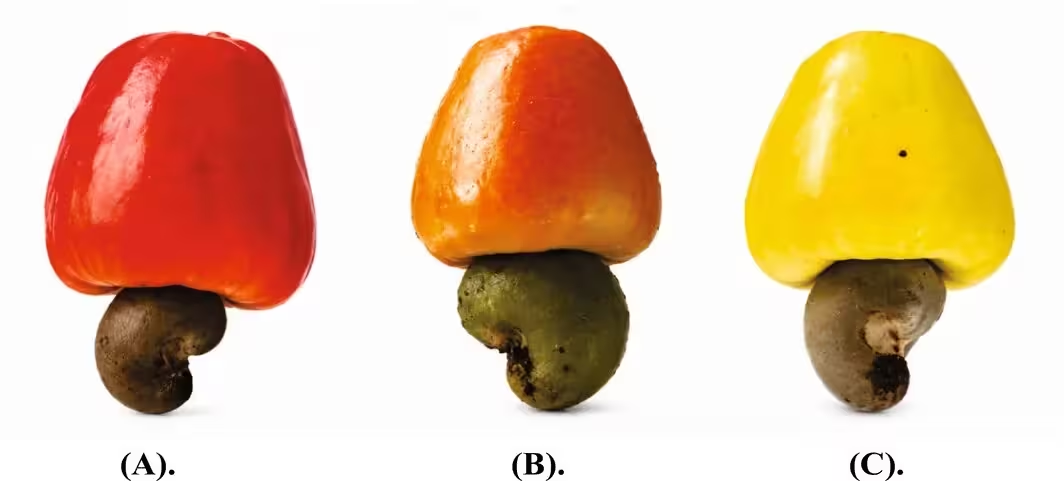
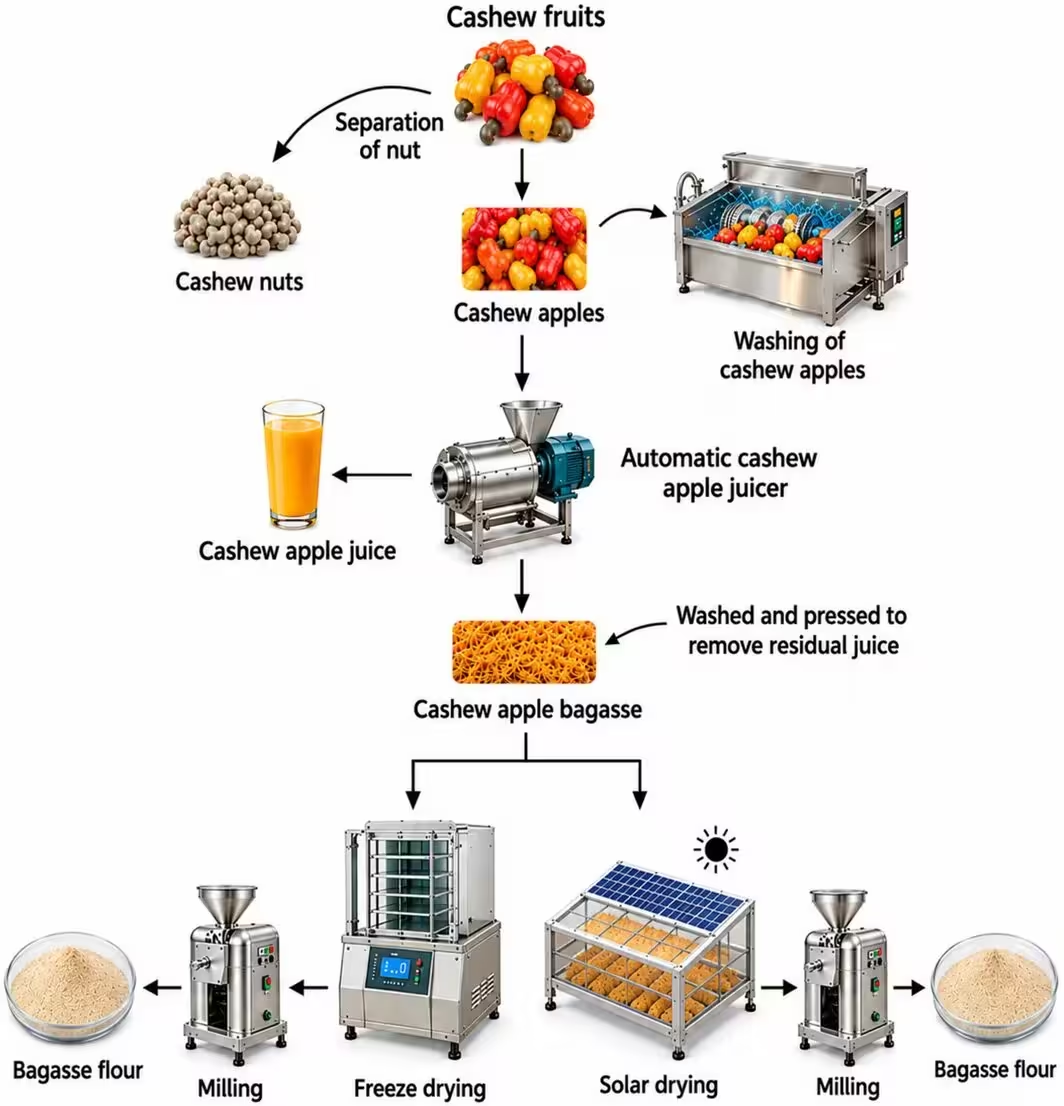
During cashew processing, millions of tons of juicy pseudo-fruits are discarded annually because of their highly perishable nature. To address this mounting agricultural waste stream, Emmanuel Duah Osei from Technological University Dublin and his colleagues investigated how processing methods alter the nutritional profile of this leftover pulp. The team analyzed red, yellow, and orange fruit varieties after subjecting them to either freeze-drying or traditional solar drying.
How Do Different Drying Methods Change Food Waste Flours?
The choice of dehydration technique drastically altered the chemical and physical characteristics of the resulting flours. Freeze-drying excelled at locking in fragile compounds, yielding significantly higher levels of total flavonoids, phenolic acids, carotenoids, and vitamin C. For instance, freeze-dried orange samples retained up to three hundred fifty-two milligrams of vitamin C per hundred grams, making the powder a potent source of the daily nutrient.
Conversely, solar drying produced flours with superior oxidative stability and higher concentrations of certain minerals. Solar-dried yellow varieties reached iron concentrations of up to one hundred forty-six milligrams per kilogram, outperforming their freeze-dried counterparts. The complete evaluation published in Food Science & Nutrition details how thermal exposure during solar drying also increased crude protein availability up to fourteen percent, likely by breaking down tight cellular structures.
Can Fruit Residue Fight Harmful Pathogens in Food Products?
Beyond basic nutrition, all tested flours demonstrated notable antimicrobial potency against various common foodborne pathogens and spoilage yeasts. Laboratory tests revealed that the highest bacterial inhibition zones occurred against dangerous microbes like Listeria monocytogenes and Salmonella enterica. This natural defense mechanism stems from bioactive compounds naturally present in the fruit residue, pointing to its potential use as a clean-label preservative in commercial bakery items and packaged snacks.
The flours also exhibited high dietary fiber content ranging between forty-one and forty-six percent, which remained entirely stable regardless of the drying method used. This abundant fiber concentration supports digestive health and could help food manufacturers formulate high-fiber functional foods that reduce the risk of chronic illnesses.
What Obstacles Remain Before Commercial Adoption?
Despite these promising health attributes, practical challenges remain for food manufacturers looking to scale up production. Solar drying caused non-enzymatic browning reactions that shifted the color of the flour toward darker, taupe shades. This noticeable darkening could limit how much powder can be added to consumer goods where bright visual appearance dictates buyer preference.
Furthermore, freeze-dried flours displayed superior water and oil absorption indexes, which improve dough consistency and moisture retention in baked goods. Future investigations must focus on large-scale processing optimization, sensory evaluations, and storage stability to ensure these upcycled agricultural by-products achieve widespread commercial success.
The research was published in Food science & nutrition on November 19, 2026.
This article has been fact checked for accuracy, with information verified against reputable sources. Learn more about us and our editorial process.
Last reviewed on .
Article history
- Latest version
Reference(s)
- Osei, Emmanuel Duah., et al. “Biochemical Composition, Physicofunctional Properties, Antioxidant and Antimicrobial Potential of Freeze‐ and Solar‐Dried Cashew Apple Bagasse for Upcycled Food Applications.” Food Science & Nutrition, vol. 14, no. 11, November 19, 2026 Wiley, doi: 10.1002/fsn3.72582. <https://doi.org/10.1002/fsn3.72582>.
Cite this page:
- Posted by Rohan Kumar