Natural Protein Antibiotics Destroy Drug-Resistant Superbugs
Purified S-type pyocins successfully killed multidrug-resistant and extensively drug-resistant clinical bacterial isolates and eradicated stubborn biofilms.
Natural protein antibiotics derived from bacteria can effectively kill drug-resistant strains of Pseudomonas aeruginosa, a dangerous opportunistic pathogen responsible for severe hospital-acquired infections. Researchers evaluated six specific protein toxins known as S-type pyocins and discovered they successfully targeted clinical bacterial strains that had become fully resistant to standard medications.
The global rise of multidrug-resistant and extensively drug-resistant bacteria presents a massive therapeutic challenge in modern healthcare settings. Pseudomonas aeruginosa is categorized as a high-priority pathogen by the World Health Organization because it causes stubborn respiratory, urinary, and bloodstream infections that frequently fail conventional drug therapies. To understand whether alternative treatments might offer a solution, scientists tested purified protein molecules against 29 clinical bacterial isolates collected across Thailand between 2021 and 2022. The detailed findings were published in PeerJ, shedding light on new ways to combat hard-to-treat microbial threats.
Which Pyocins Exhibited the Broadest Killing Power Against Resistant Strains?
Laboratory screening tests identified three standout protein variants, named AP41, SX1, and SX2, which displayed remarkably wide antibacterial activity against the panel of drug-resistant microbes. AP41 inhibited 93.1 percent of the tested clinical isolates, while SX1 and SX2 inhibited 89.7 percent and 69.0 percent respectively. These proteins successfully destroyed bacterial cells even when the strains possessed complete resistance to last-resort conventional drugs such as carbapenems and colistin.
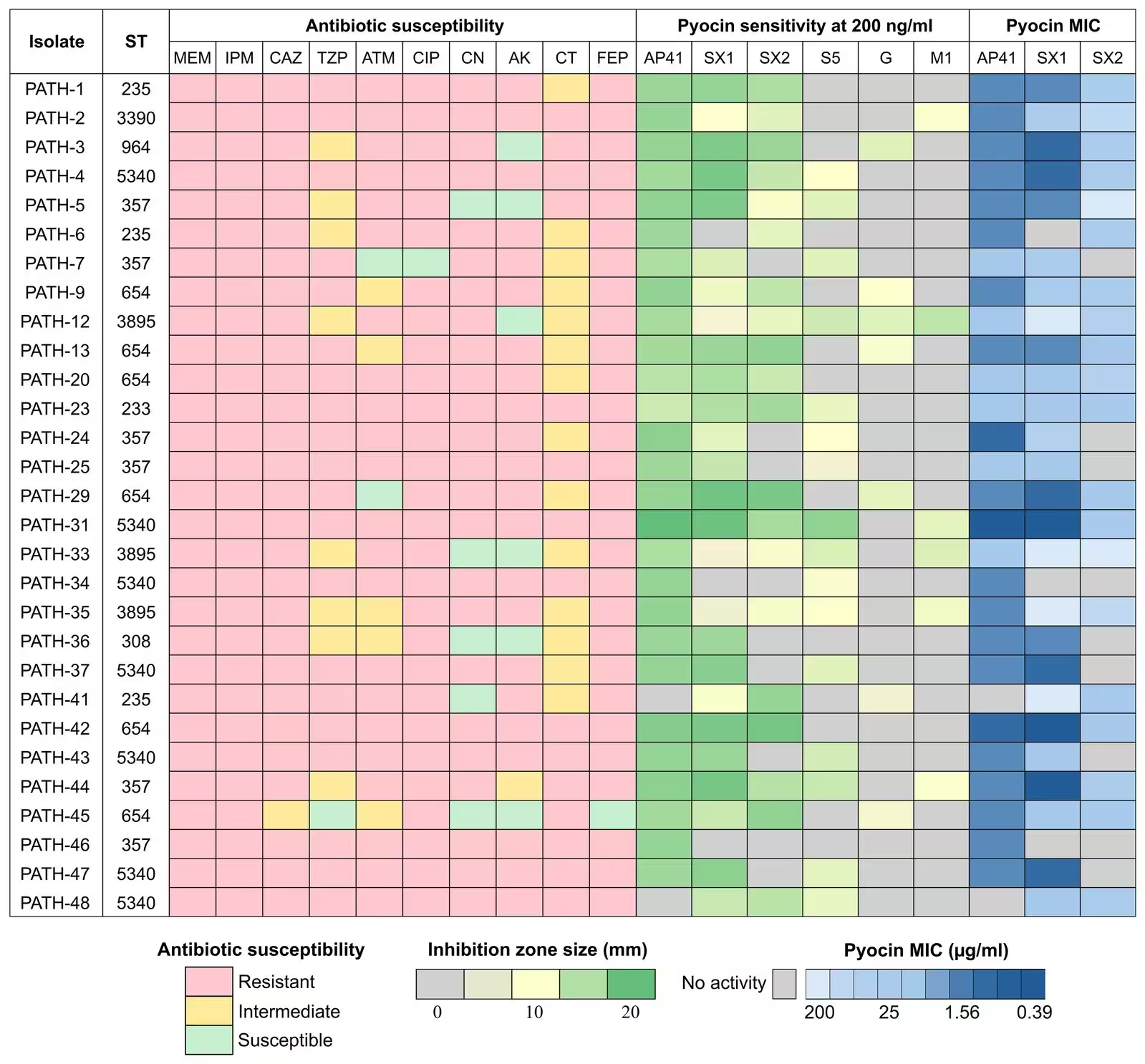
Minimum inhibitory concentration assays confirmed the exceptional potency of these proteins. AP41 and SX1 achieved strong antibacterial activity at extremely low concentrations within the nanogram-per-milliliter range. Unlike traditional small-molecule drugs that rely on standard metabolic pathways, these protein antibiotics operate through receptor-mediated cellular entry followed by targeted intracellular destruction.
Can These Protein Toxins Eradicate Stubborn Bacterial Biofilms?
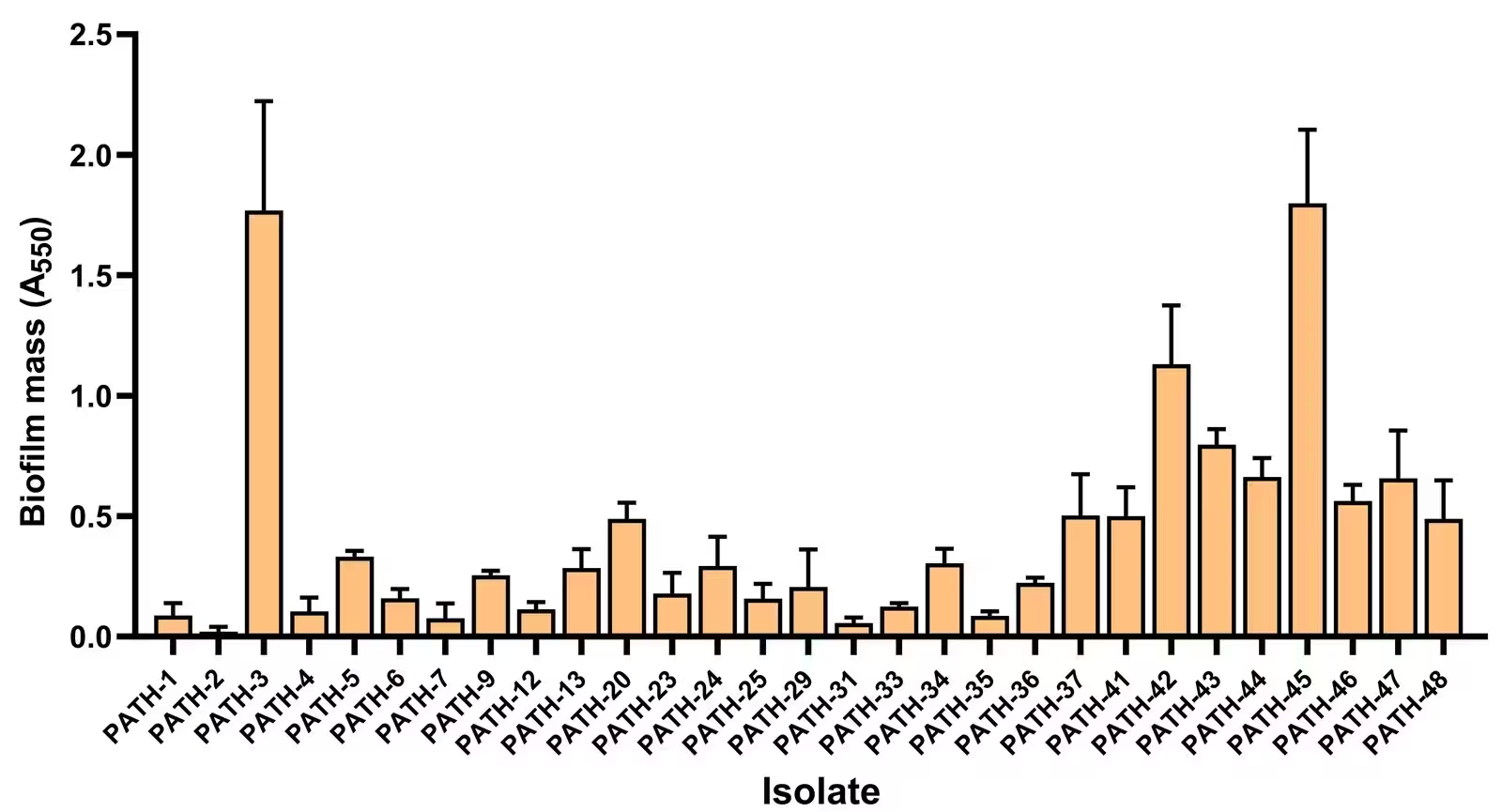
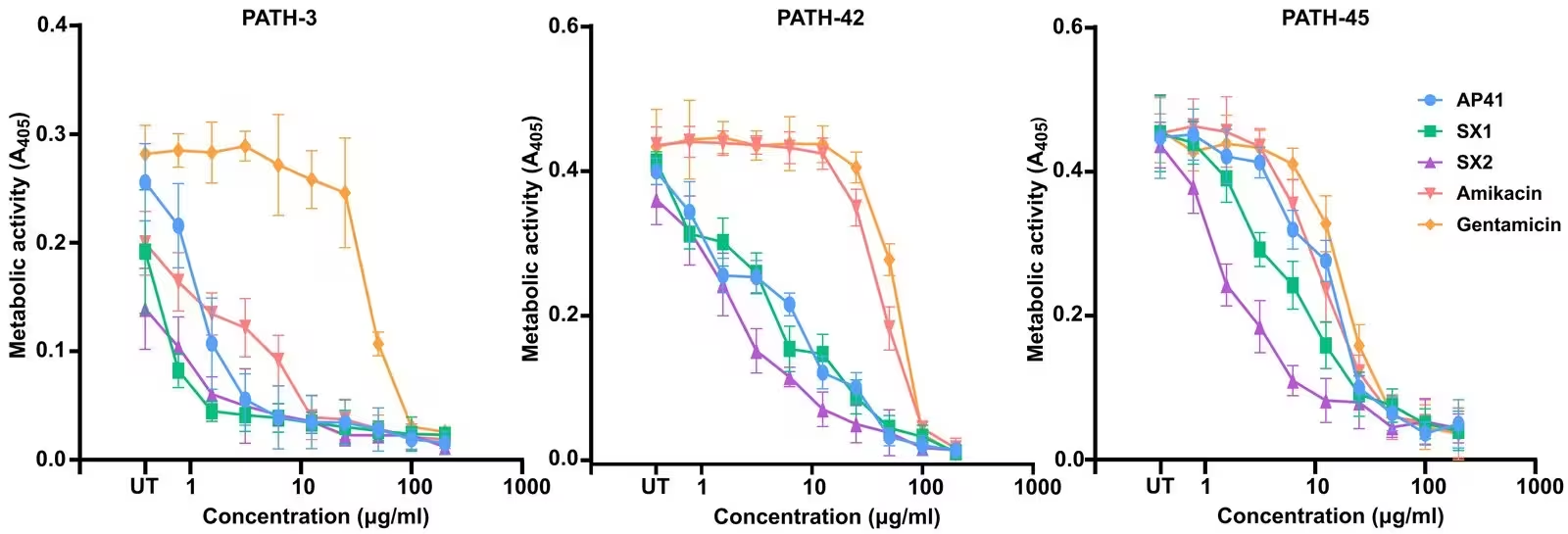
Bacterial persistence inside the human body is frequently driven by biofilms, which are structured microbial communities encased in a protective extracellular matrix. Within these sticky coatings, bacteria tolerate high doses of standard antibiotics and evade host immune responses entirely. When researchers tested AP41, SX1, and SX2 against established biofilms formed by high-risk clinical isolates, the proteins produced marked, dose-dependent reductions in metabolic activity.
In experiments involving specific isolates resistant to standard aminoglycoside antibiotics like gentamicin and amikacin, the pyocin treatments successfully eliminated the biofilm-associated cells where standard drugs failed. The proteins achieved these reductions at concentrations lower than those required for conventional comparator antibiotics, proving their utility against chronic, device-associated infections.
What Did Genomic Analysis Reveal About Resistance Risks?
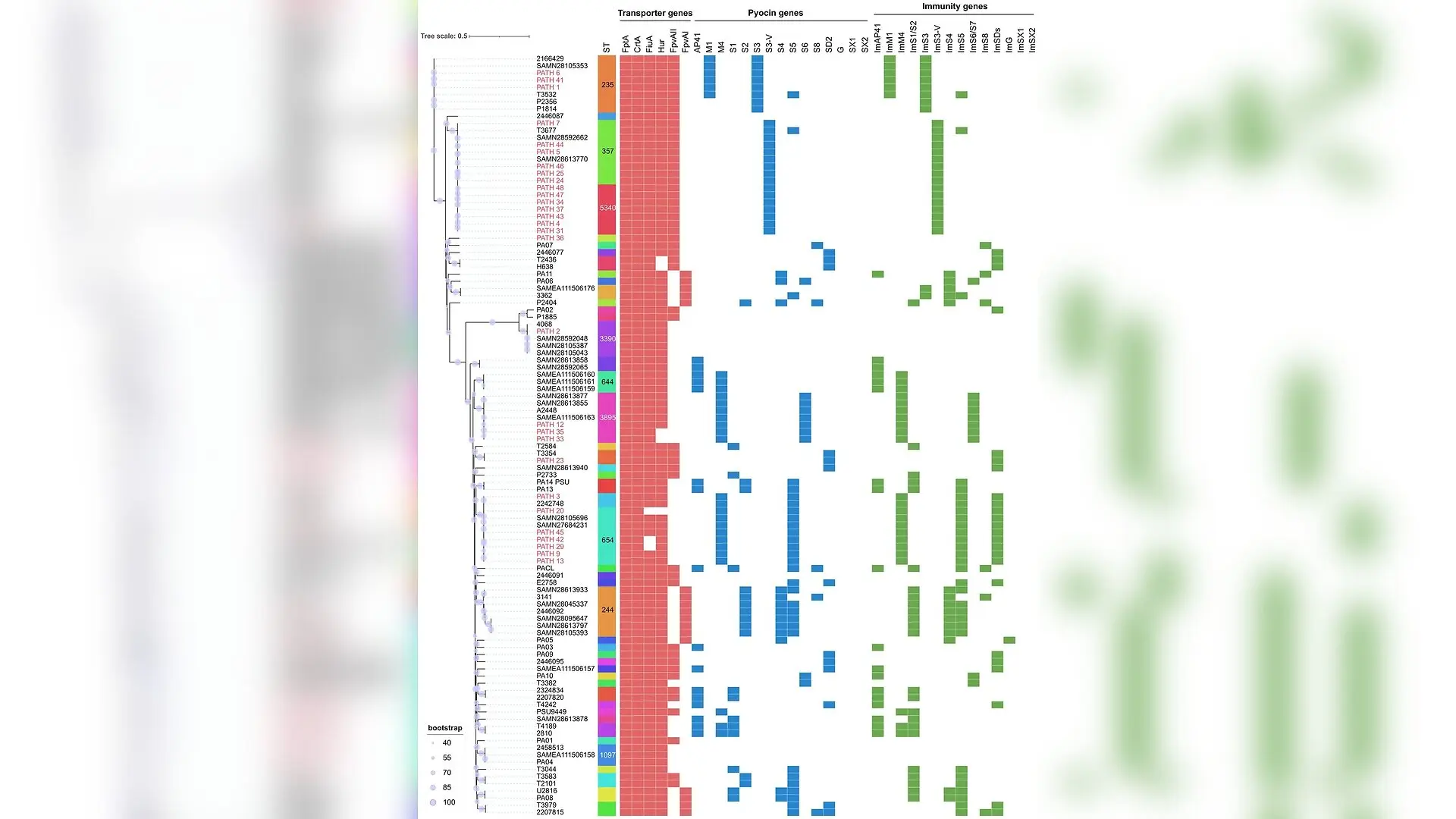
To understand how these natural protein weapons interact with bacterial populations in the wild, the research team analyzed 105 genomic sequences from Thai clinical isolates. They discovered that while essential outer membrane transporter genes required for pyocin entry, such as fptA and crtA, were widely conserved across nearly all genomes, the actual genes encoding specific pyocins and their protective immunity proteins showed marked heterogeneity.
The genomic data explained why certain strains might evade treatment. For example, a subset of isolates harbored immunity genes that could neutralize specific pyocins, meaning that deployment of those particular proteins would fail against those lineages. However, SX1 and SX2 showed a highly favorable genomic profile characterized by a lack of endogenous immunity genes in the Thai population, suggesting that pre-existing resistance mechanisms against them remain rare.
What Are the Next Steps for Developing Protein Antibiotics?
Despite the promising laboratory results, some clinical isolates remained resistant to certain pyocins even when they possessed the appropriate cellular transporters and lacked immunity genes. The authors suggest this discordance may stem from extracellular degradation by secreted bacterial enzymes, such as LasB elastase, which is known to break down protein structures and antimicrobial peptides.
Future development will likely require larger clinical sample sizes, animal model validation, and combination strategies pairing pyocins with protease inhibitors to protect the protein drugs from enzymatic breakdown. Through rational protein engineering, these natural antimicrobial agents could eventually become powerful clinical tools against untreatable infections.
The research was published in PeerJ on January 1, 2026.
This article has been fact checked for accuracy, with information verified against reputable sources. Learn more about us and our editorial process.
Last reviewed on .
Article history
- Latest version
Reference(s)
- Laosena, Phatcharin., et al. “Evaluation of pyocin activity and pyocin-related gene distribution in multidrug- and extensively drug-resistant Pseudomonas aeruginosa isolates from Thailand.” PeerJ, vol. 14, October 21, 2026, pp. e21850 PeerJ, doi: 10.7717/peerj.21850. <https://doi.org/10.7717/peerj.21850>.
- Posted by Robert Brown