Severe Facial Gangrene Admissions in Nigeria Surge Following Dry Seasonal Shifts
Analysis of five years of hospital data and community interviews shows that severe pediatric tissue destruction peaks during dry, dusty months.

Severe facial gangrene admissions in Northwest Nigeria surge by up to ten percent following dry, dusty seasonal shifts, according to a mixed-methods study published in PLOS Neglected Tropical Diseases. The condition, known medically as noma, rapidly destroys the soft tissues and bones of the mouth and face within days, primarily striking malnourished young children aged two to six years living in remote rural communities.
Why Do Hospital Admissions Peak During the Dry Harmattan Months?
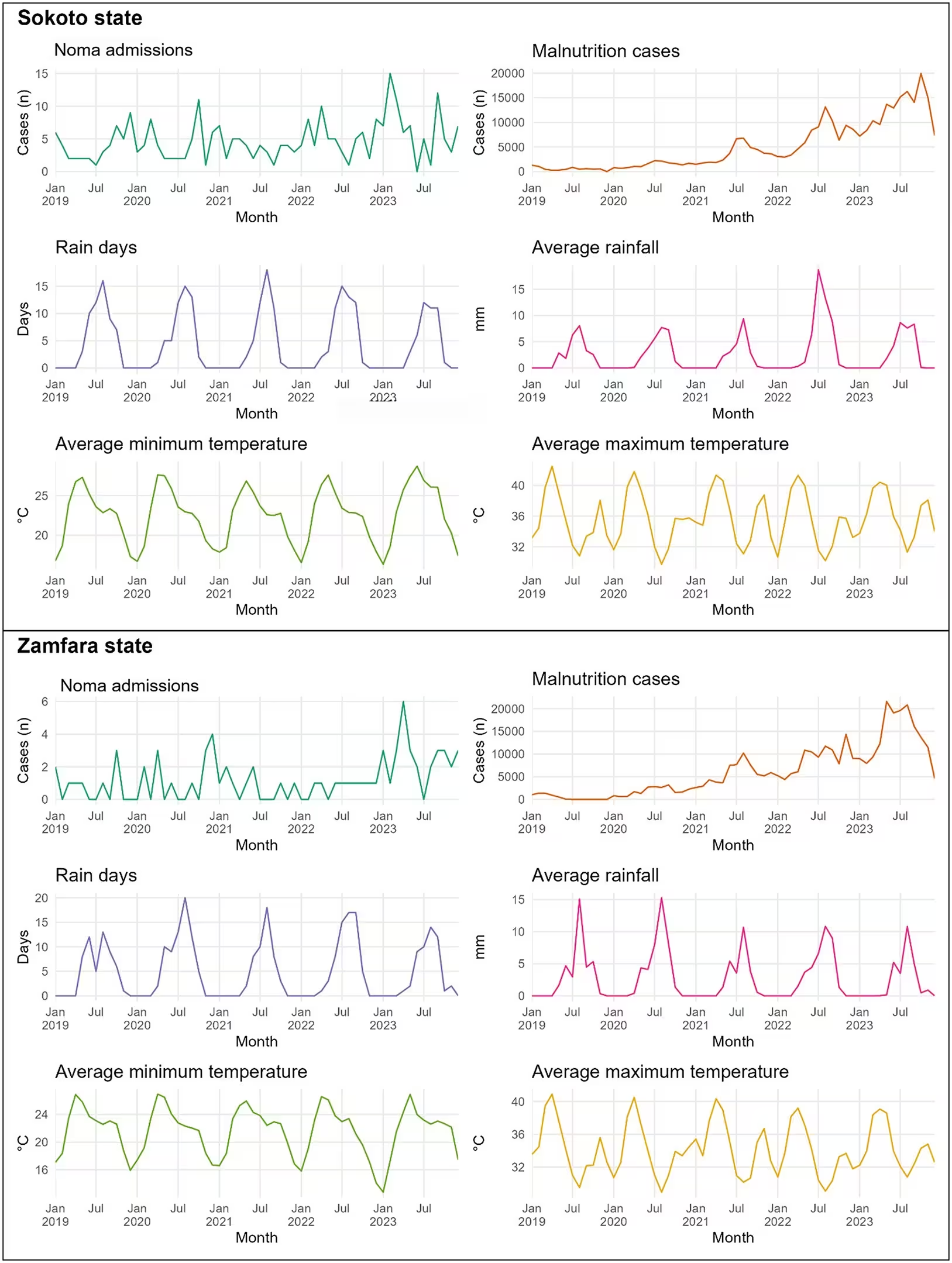
To investigate the environmental drivers behind the disease, researchers analyzed five years of hospital records from 2019 to 2023 at the Sokoto Noma Children’s Hospital alongside meteorological data from the Nigerian Meteorological Agency and state-level malnutrition surveillance. Led by Michael Olaleye and colleagues at Médecins Sans Frontières and collaborating ministries of health, the team evaluated 353 patient admissions from Sokoto and Zamfara states. The retrospective time series analysis was paired with 32 key informant interviews and six focus group discussions involving 48 participants, including caregivers, traditional healers, farmers, and community elders.
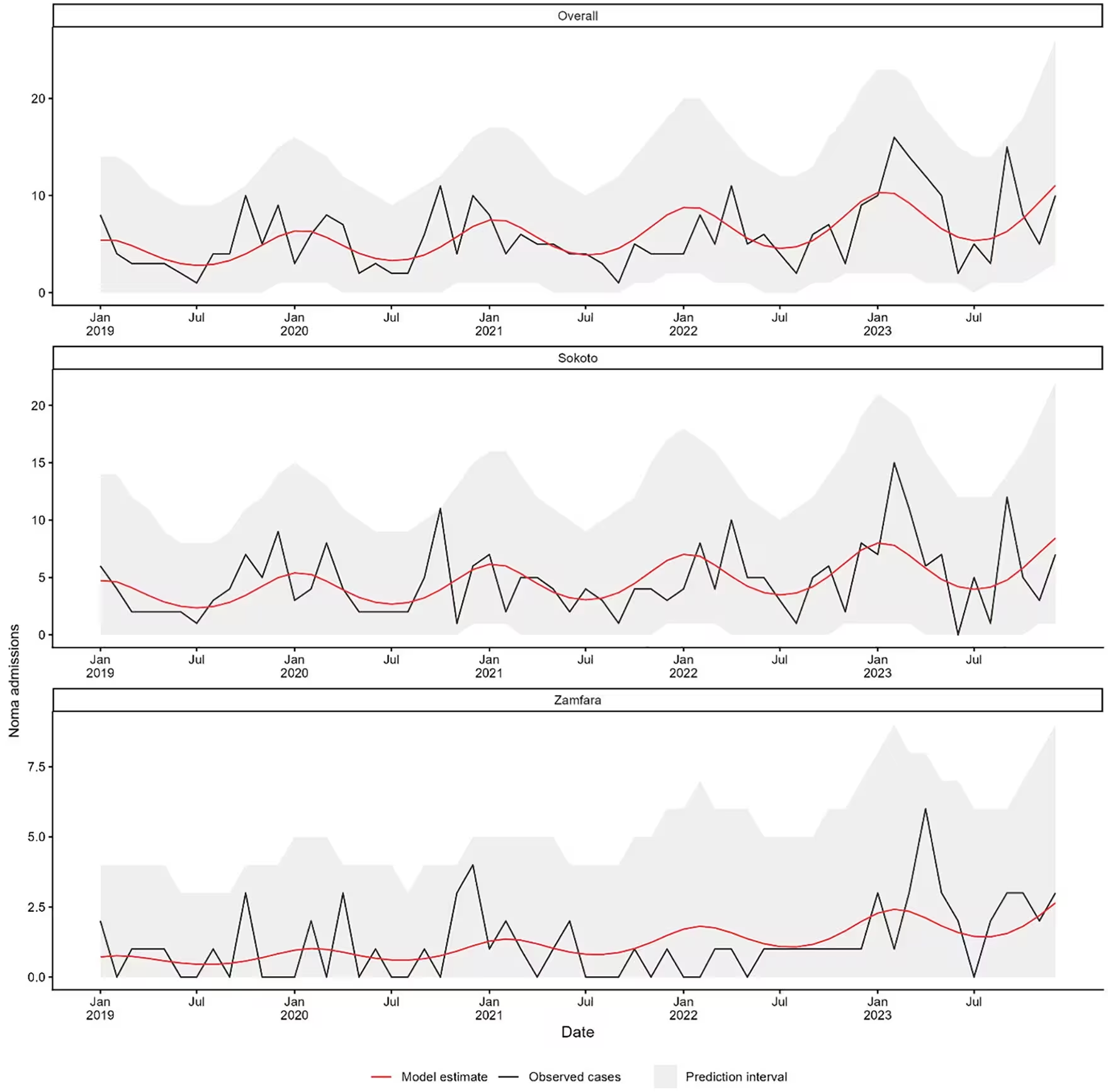
The investigation revealed a distinct seasonal rhythm in hospital visits. Admissions consistently climbed between September and March, coinciding with the Harmattan dry season characterized by cold, dusty winds and low humidity. Statistical modeling indicated that minimum temperatures six months prior and average rainfall seven months prior showed significant associations with admission rates. Specifically, a one degree Celsius rise in minimum temperatures six months earlier was associated with a ten percent increase in monthly admissions, while rainfall lagged by seven months showed a corresponding rise of about five percent.
How Do Local Communities Perceive the Links Between Climate and Disease?
Qualitative findings illuminated the lived experiences and cultural frameworks shared by families in the region. Participants described how the annual agricultural cycle creates distinct windows of vulnerability. The period from June to September marks a severe hunger season when household food reserves are depleted before the harvest. Water scarcity during the dry months forces families to travel long distances for water, compelling them to prioritize drinking and cooking over personal hygiene and oral care, leading to alternative cleaning practices such as rinsing with ash or salt water.
Community narratives also highlighted local terminology corresponding to the clinical progression of the illness. Names such as ciwon sanyi, meaning disease of the cold, and macidanwawa, denoting rapid tissue destruction, reflect deep-seated awareness of environmental triggers. Cultural reliance on traditional remedies before seeking hospital care frequently compounds physical barriers, such as impassable flooded roads during the rainy season, contributing to delayed presentations where over sixty percent of patients arrived at the hospital between seven and fourteen days after symptom onset.
What Are the Limitations of the Current Hospital Surveillance Data?
The study authors noted several important constraints regarding their findings. Because the research relied on admissions to a specialized sixty-bed facility, the figures reflect hospital utilization rather than the total population-level incidence of the disease, potentially missing vulnerable children who do not survive long enough to reach care. Furthermore, meteorological data aggregated at the state level may not capture microclimatic variations, and global acute malnutrition indicators do not fully account for chronic nutritional stunting.
The researchers emphasize that noma is a multifactorial condition driven by poverty, seasonal nutritional stress, and environmental barriers rather than short-term weather shifts alone. The findings point to the need for targeted public health interventions, including intensified community sensitization, early case detection, and nutritional support aligned with seasonal risk periods before and during the Harmattan season.
The research was published in PLOS Neglected Tropical Diseases on November 23, 2026.
This article has been fact checked for accuracy, with information verified against reputable sources. Learn more about us and our editorial process.
Last reviewed on .
Article history
- Latest version
Reference(s)
- Olaleye, Michael., et al. “Seasonality of noma and its association with climatic and nutritional factors in Sokoto and Zamfara States, Nigeria: a mixed-methods study.” PLOS Neglected Tropical Diseases, vol. 20, no. 11, November 23, 2026, pp. e0014905 Public Library of Science (PLoS), doi: 10.1371/journal.pntd.0014905. <https://doi.org/10.1371/journal.pntd.0014905>.
Cite this page:
- Posted by Sana Malik