Millions of Settled Immigrants Rewrite Italy’s Future as Politics Stalls
New research shows how rapid demographic shifts and a mature immigrant population contrast sharply with persistent political reluctance to embrace long-term integration.
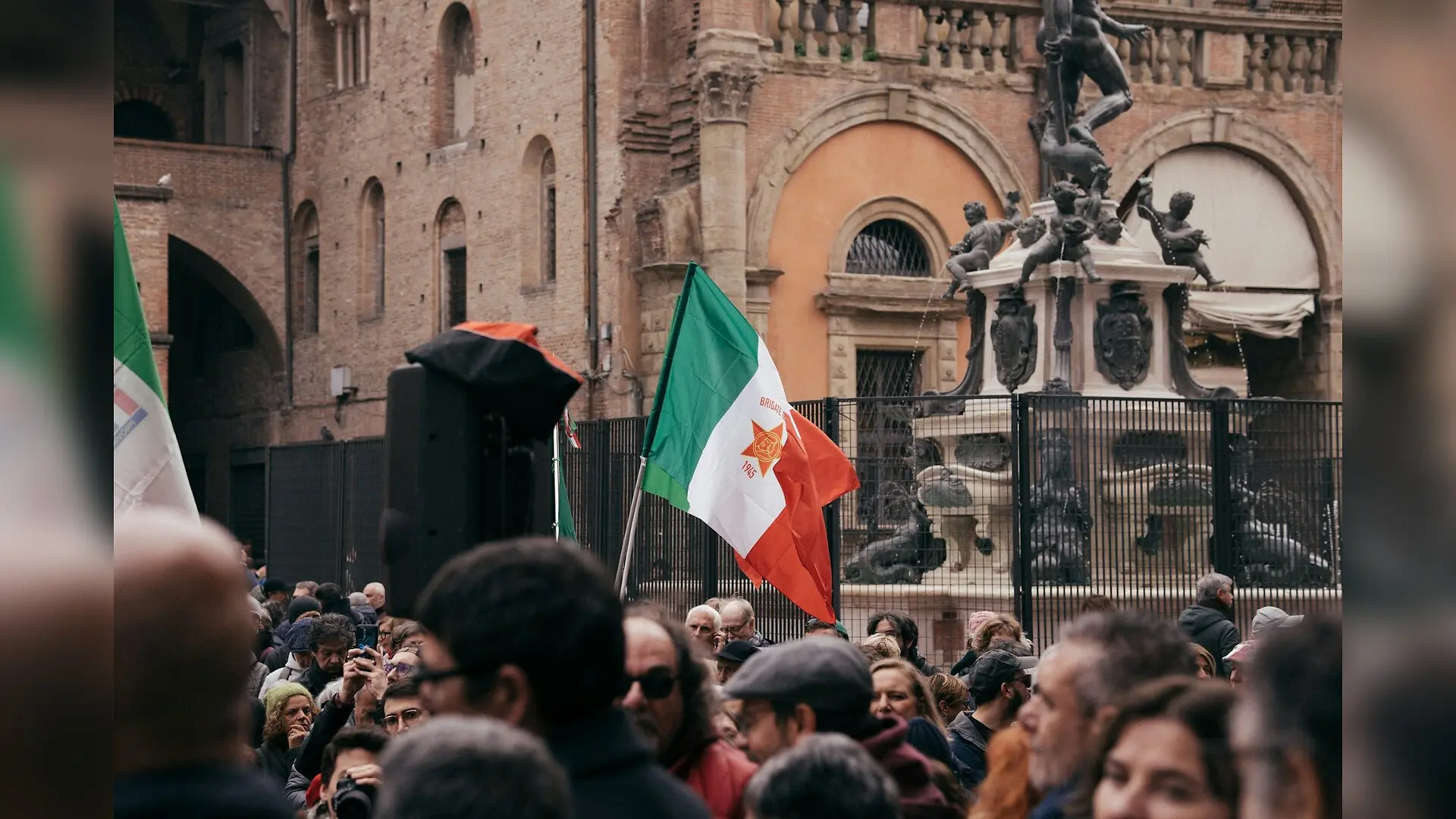
Italy transformed from a latecomer into a nation of long-term immigrant settlement over recent decades, driven by a surging demand for foreign labor rather than endless crises. Foreign citizens living in the country numbered approximately 356,000 in 1991, grew to 4 million by 2011, and reached 5.37 million by January 2025, accounting for 9 percent of the resident population. Yet, public debate and migration policy remain fixated on border control and the perception of an ongoing emergency, overlooking how millions of households with a migration background have quietly become foundational to the country’s social and economic fabric.
How a Rapid Shift Rewrote the Italian Demographics
During the early years of the migration transition, analysts struggled to understand Italy’s rapid shift from an exporter of people to a major destination. Early accounts frequently categorized Italy as a Mediterranean latecomer destined for perpetual administrative chaos. None of these traditional frameworks foresaw the stable legal settlement of millions of families or the deep structural integration of newcomers into core social spheres. This transformation, as detailed in the volume Beginners No More, developed through an intricate interplay with Italy’s demographic and economic specificities. Rising educational attainment among Italian youth, a modernizing labor market, population aging, and declining fertility rates all generated severe labor and skills mismatches that foreign workers ultimately helped resolve.
The Six Defining Traits of an Unplanned Migration Regime
Researchers identified six distinctive features that defined Italy’s early immigration experience: the remarkable speed of the process, the vast heterogeneity of national origins, a large diffusion of irregular status, easy access to jobs in unprotected labor sectors, the predominance of labor migration, and marked territorial differences. Unlike Northern European countries where migrants often secured jobs prior to arrival or sought asylum, Italy relied on a dualistic framework. A restrictive formal framework coexisted with informal mechanisms that supplied low-cost labor to small and micro enterprises.
A persistent informal economy acted as a powerful pull factor, providing newcomers with relatively easy access to employment even without legal status. Periodic regularization programs functioned effectively as backdoor entry policies, allowing workers who entered on tourist visas to normalize their status over time. Furthermore, female-led migration emerged as early as the 1980s, driven by a high demand for domestic and elder care within an underdeveloped welfare system that struggled to support working native women.
Why Integration Policies Remain Frozen Despite Permanent Settlement
The landscape shifted dramatically following the 2008 financial crisis, the sovereign debt crisis, and subsequent Mediterranean refugee waves. Public and political discourse pivoted sharply toward border control and the securitization of sea arrivals, particularly involving young male asylum seekers from Africa and the Middle East. Meanwhile, policymakers adopted a stance of intentional short-sightedness regarding long-term integration, avoiding investments in education, housing, anti-discrimination, and citizenship reform.
Despite this political hesitation, the immigrant population has stabilized significantly. Over half of registered resident foreigners now hold long-term residence permits, and millions of children have been born or raised in the country. During the 2023 to 2024 academic year, students with non-Italian citizenship accounted for 12 percent of the total student population. More than 65 percent of these students were born in Italy, representing an emerging second generation whose social integration will shape the future of the nation.
The research was published in Beginners No More on January 1, 2027.
This article has been fact checked for accuracy, with information verified against reputable sources. Learn more about us and our editorial process.
Last reviewed on .
Article history
- Latest version
Reference(s)
- Bonifazi, Corrado., et al. “The Present Future of Italian Immigration.” IMISCOE Research Series, November 1, 2026, pp. 241-256. Springer Nature Switzerland, doi: 10.1007/978-3-032-37942-9_11. <https://doi.org/10.1007/978-3-032-37942-9_11>.
Cite this page:
- Posted by David Anderson