Nearly 4 Million Immigrant Descendants Reshape Modern Italy
New research shows that the children of migrants in Italy represent a permanent social reality rather than a temporary demographic phase.
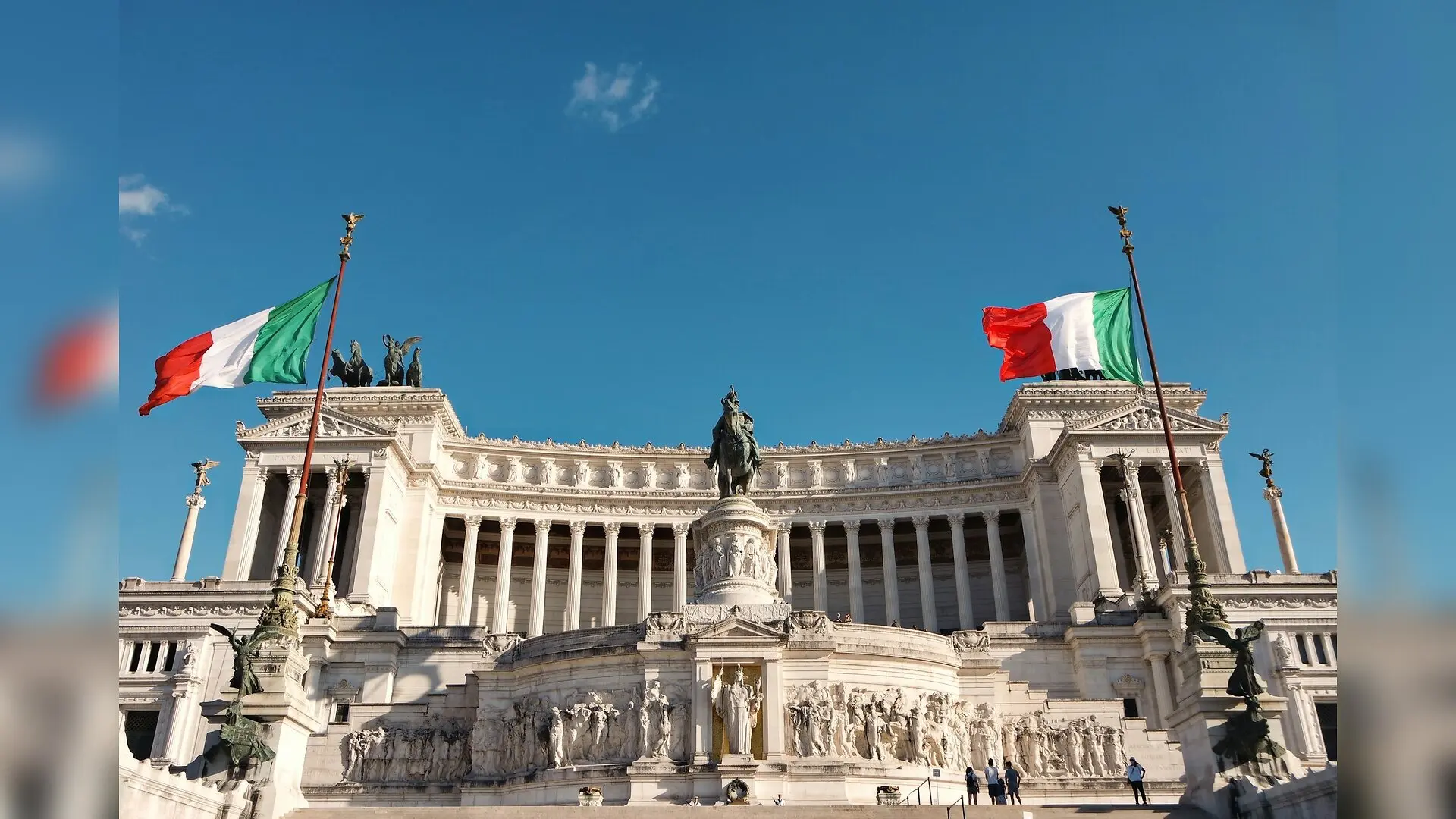
Nearly 4 million children of immigrants now live in Italy, challenging long-held assumptions that the Mediterranean nation remains a temporary waystation rather than a permanent home for families arriving from abroad. This growing demographic shift reveals that Italy has moved past its historical status as an emigration nation, with second-generation residents and youth with migration backgrounds making up roughly 20 percent of all minors and young people in the country.
How Italy Transformed Into a Modern Migration Hub
For more than a century following its unification in 1861, Italy served primarily as a country of origin for millions of people leaving for the Americas and Northern Europe. That pattern reversed dramatically in the mid-1970s, when the country began attracting workers from less developed regions in search of labor opportunities. Detailed demographic analysis published published in Beginners No More shows that this evolution is no longer a temporary or exceptional phenomenon, but rather a structurally rooted social dynamic comparable to trends observed elsewhere in Europe.
The population of children with foreign backgrounds encompasses two main groups, namely those born in Italy to at least one immigrant parent, referred to as the second generation in the strict sense, and those who arrived as minors from abroad, often categorized into decimal generations based on their age at arrival. Between 1986 and 2024, Italian vital statistics recorded nearly 2.4 million births involving at least one parent with foreign citizenship. While many of these newborns acquired Italian citizenship at birth through a parent holding national papers, over 1.6 million remained classified as foreign citizens due to restrictive nationality laws.
The Strains of the Italian Educational System
Educational integration remains a primary hurdle for children of immigrants navigating Italian schools, where enrollment numbers have climbed steadily to surpass 900,000 students. Despite this massive presence, academic outcomes often reveal persistent disparities between native-born students and their peers with migration backgrounds. Researchers highlight that early school leaving rates stand at 24.3 percent for foreign youth, compared to just 8.5 percent for Italian citizens, placing Italy among European nations with notable educational gaps.
Furthermore, upper secondary enrollment patterns show that students born abroad are disproportionately channeled into professional and technical institutes rather than academic lyceums. School delays, often stemming from initial language barriers or grade repetition, affect a significant share of arriving minors, though these gaps narrow perceptibly among children born directly on Italian soil who complete their entire schooling locally.
Navigating Labor Market Barriers and the Citizenship Paradox
Entering the workforce brings additional hurdles, with young adults of immigrant descent experiencing higher rates of joblessness and vulnerability to precarious employment. Data from recent labor force surveys indicate that unemployment rates for second-generation youth reach 38.9 percent, while young people who arrived during early childhood face elevated rates of neither being in employment nor in education or training.
Analysts point to a deep-seated citizenship paradox, where individuals raised and socialized in Italy feel fully Italian yet face formal exclusion from the political community until they reach adulthood and satisfy stringent residency requirements. Because current laws rely heavily on the principle of bloodline transmission rather than birth on national territory, many young adults must wait until age 18 to apply for citizenship, fueling civic activism and widespread public debate over legal reform.
The research was published in Beginners No More on January 1, 2027.
This article has been fact checked for accuracy, with information verified against reputable sources. Learn more about us and our editorial process.
Last reviewed on .
Article history
- Latest version
Reference(s)
- Strozza, Salvatore., et al. “New Challenges in Italian Society: The Children of Immigrants are Growing Up.” IMISCOE Research Series, November 1, 2026, pp. 161-189. Springer Nature Switzerland, doi: 10.1007/978-3-032-37942-9_8. <https://doi.org/10.1007/978-3-032-37942-9_8>.
Cite this page:
- Posted by David Anderson