Why Feeding Birds Could Be The Secret To A Happier And More Meaningful Life
Birdwatching and feeding are more than just hobbies; they are powerful ways to connect with nature and significantly boost your overall well-being.
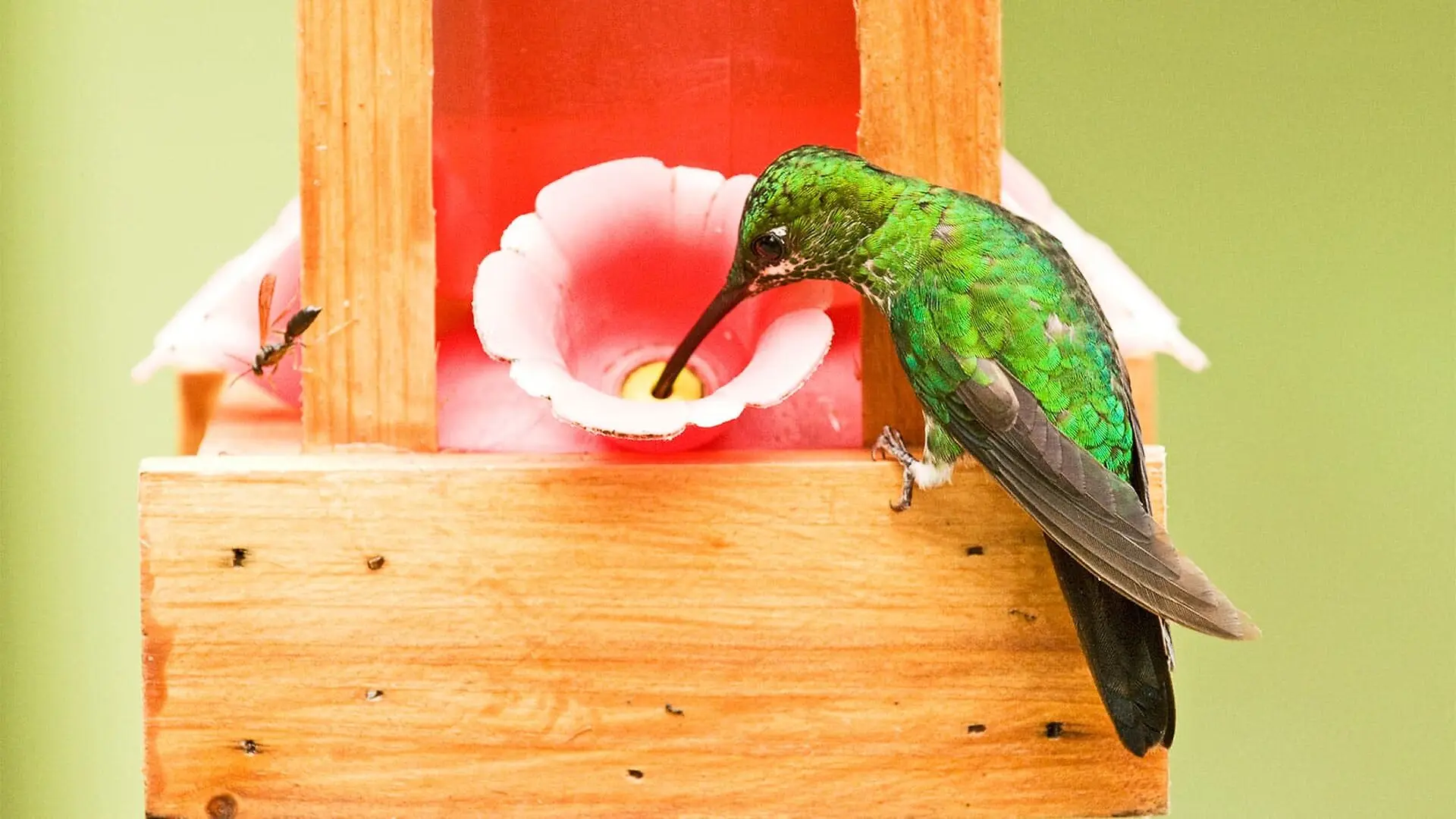
For more than 56 million adults across the United States, the daily ritual of filling a bird feeder is far more than a simple chore. A new study spearheaded by Virginia Tech suggests that this routine serves as a vital bridge to the natural world, providing significant psychological benefits for those who participate.
The findings, published in the journal Ambio, reveal that bird feeding is a profound source of emotional regulation, cognitive engagement, and personal meaning. By analyzing participants of the Cornell Lab of Ornithology’s Project FeederWatch, researchers found that the vast majority of enthusiasts attribute a boost in their overall well-being to their feathered visitors.
The Emotional and Mental Benefits of Bird Watching
Researchers tracked participants throughout the six-month winter season, utilizing standardized mental well-being assessments to gauge the impact of their hobby. The results were striking: 95 percent of respondents reported that their interaction with birds had a positive effect on their well-being, a figure that significantly outperformed other life events during the same period.
The study categorized these positive impacts into three distinct pillars:
- Emotional regulation: Many participants reported feelings of joy, gratitude, and tranquility. For those navigating personal hardships, such as illness or bereavement, bird watching provided a necessary anchor and a reliable way to reduce stress.
- Cognitive engagement: The act of observing feeders stimulated curiosity and helped individuals hone their identification skills, turning a passive activity into a form of active learning.
- Personal significance: Beyond the birds themselves, participants derived a sense of purpose from contributing to scientific data or fostering a deeper connection to nature and family members who shared in the experience.
“Feeding and observing birds is a really meaningful way for people to connect with nature, and people feel that it has positive impacts on their well-being,” explains Kelley Langhans, a research scientist at Virginia Tech and the lead author of the study.
Balancing Human Benefits with Avian Health
While the study highlights the psychological rewards for humans, experts emphasize that bird feeding must be approached with caution to protect wildlife. Improperly managed feeders can inadvertently contribute to disease transmission, increase the risk of predation, and lead to fatal window collisions.
To ensure that the act of feeding remains a net positive for local ecosystems, researchers recommend several standard practices, including:
- Maintaining a rigorous cleaning schedule for all feeders.
- Implementing window collision-prevention measures.
- Keeping domestic cats indoors to prevent predation.
The interdisciplinary research team, which included experts from The Ohio State University, North Carolina State University, and the Zoological Society of London, was supported by the National Science Foundation and the Fralin Life Sciences Institute at Virginia Tech.
This article has been fact checked for accuracy, with information verified against reputable sources. Learn more about us and our editorial process.
Last reviewed on .
Article history
- Latest version
Reference(s)
- Langhans, Kelley E.., et al. ““It's a good reason to get up every morning!”: Perspectives on how feeding and observing birds affects people’s wellbeing.” Ambio, September 2, 2026 Springer Science and Business Media LLC, doi: 10.1007/s13280-026-02471-2. <https://doi.org/10.1007/s13280-026-02471-2>.
Cite this page:
- Posted by Linda Wilson