Hidden Genetic Variants Fueled the Brown Tree Snake’s Island Takeover
Scientists use brown tree snake DNA to unravel the massive ecological fallout on Guam decades after their invasive arrival.
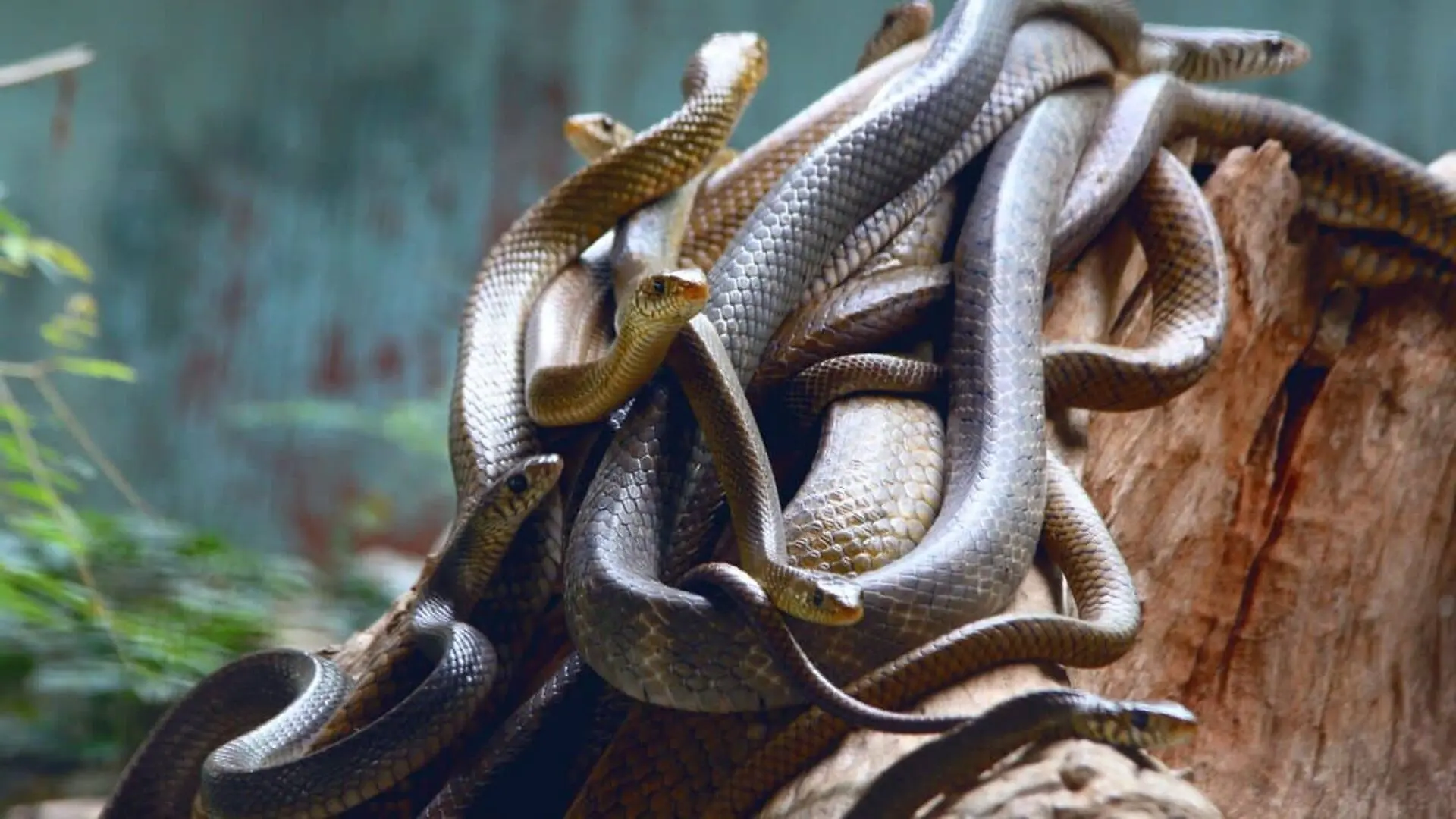
A handful of brown tree snakes (Boiga irregularis) sparked one of the most devastating invasions on Guam, and new genomic research reveals why they thrived. Researchers found that concealed genetic variation helped the snakes overcome the constraints of a tiny founding population, enabling rapid expansion across the island.
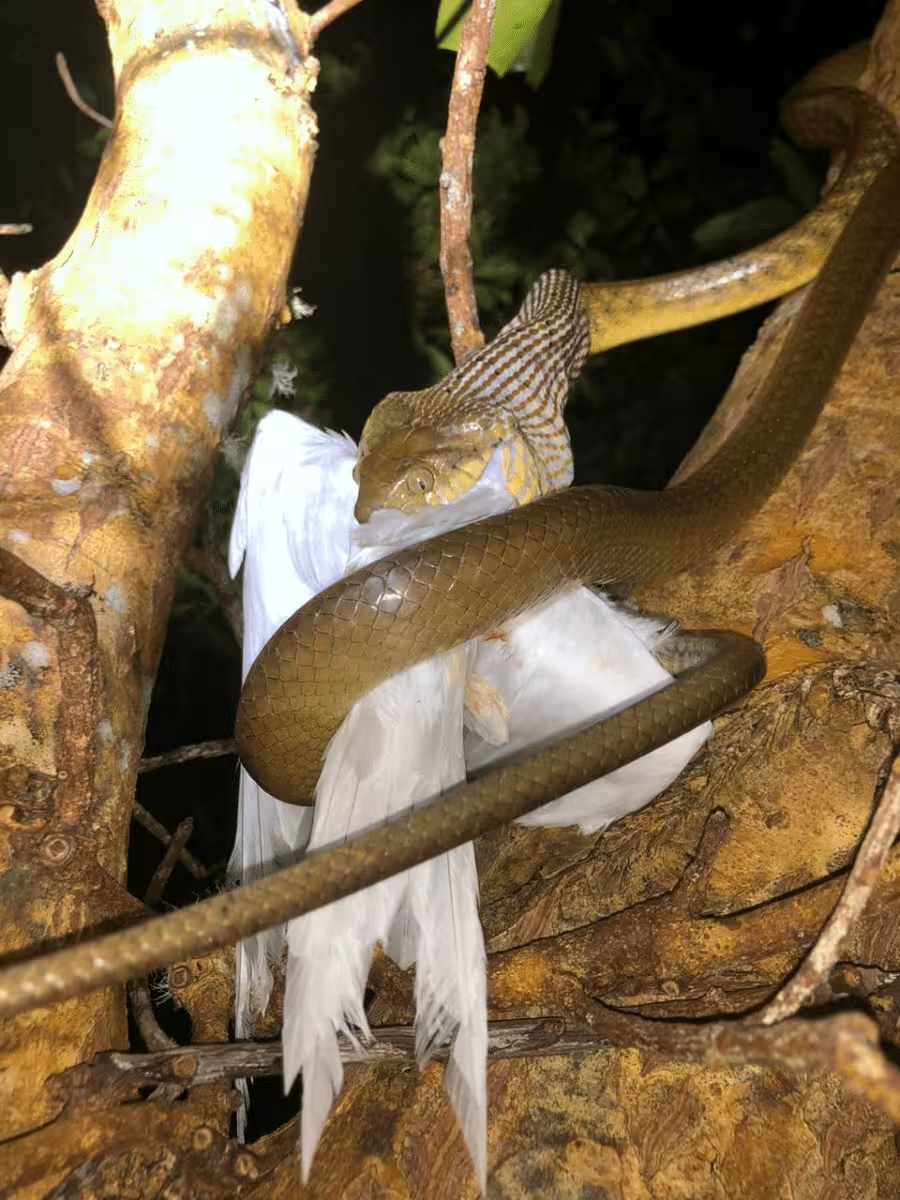
Originally native to Australia and the South Pacific, the brown tree snake is believed to have arrived on Guam sometime after World War II, most likely hitchhiking on military cargo aircraft. Once established, the reptile decimated native forest birds and earned notoriety for climbing power lines, causing frequent outages. In certain locales, population densities have been estimated at roughly 30,000 snakes per square mile.
Invasion Unveiled: Genetic Secrets of Guam’s Brown Tree Snake
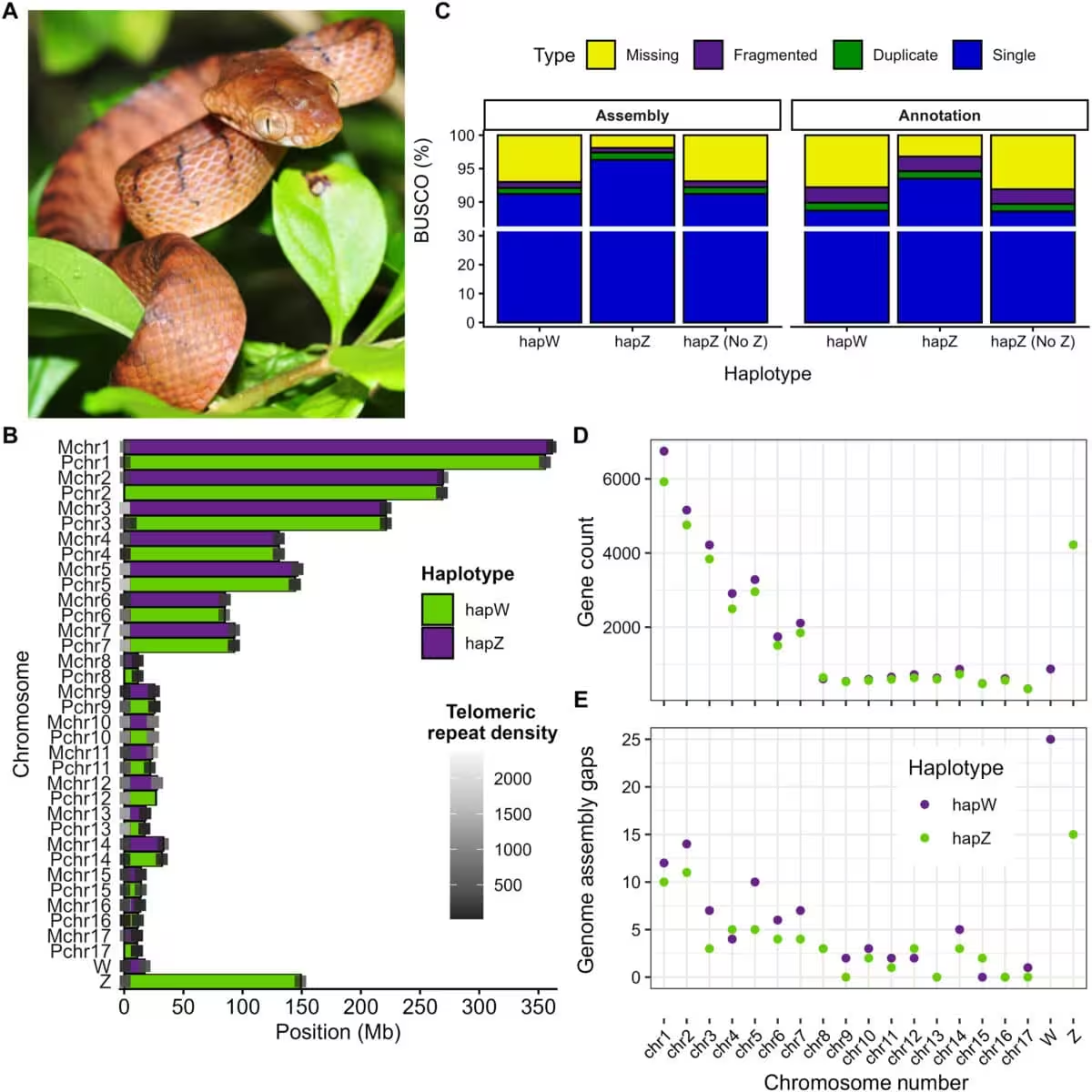
The puzzle of how a small founder group produced such an ecological nightmare has long intrigued scientists. A collaborative team from the University at Buffalo and the U.S. Geological Survey turned to long‑read DNA sequencing to probe the snake’s genome in unprecedented detail. Their findings, published in Science Advances, uncovered more than 19,000 structural variants—large‑scale insertions, deletions, and rearrangements that traditional short‑read methods often miss.
“Older techniques were like comparing two books letter by letter, ignoring whole paragraphs that had been shuffled or duplicated,” explained postdoctoral researcher Levi Gray. These massive genomic alterations appear to have supplied a hidden reservoir of diversity, buffering the population against the genetic bottleneck expected from a limited number of ancestors.
Immune and Smell Genes Drive Success
Analysis pinpointed clusters of structural variants within genes linked to immune function and olfaction. For a nocturnal predator that relies on its forked tongue to sample chemical cues, enhanced smell perception is a critical advantage. The researchers suggest that refined olfactory genes may also explain the snake’s unusual behavior on Guam, where intraspecific aggression is relatively rare despite the high levels of inbreeding.
In their native range, brown tree snakes occasionally prey on other snakes, but on Guam they seldom attack one another. Gray hypothesizes that a heightened sense of smell enables individuals to recognize kin, reducing unnecessary conflict and conserving energy in a densely packed population.
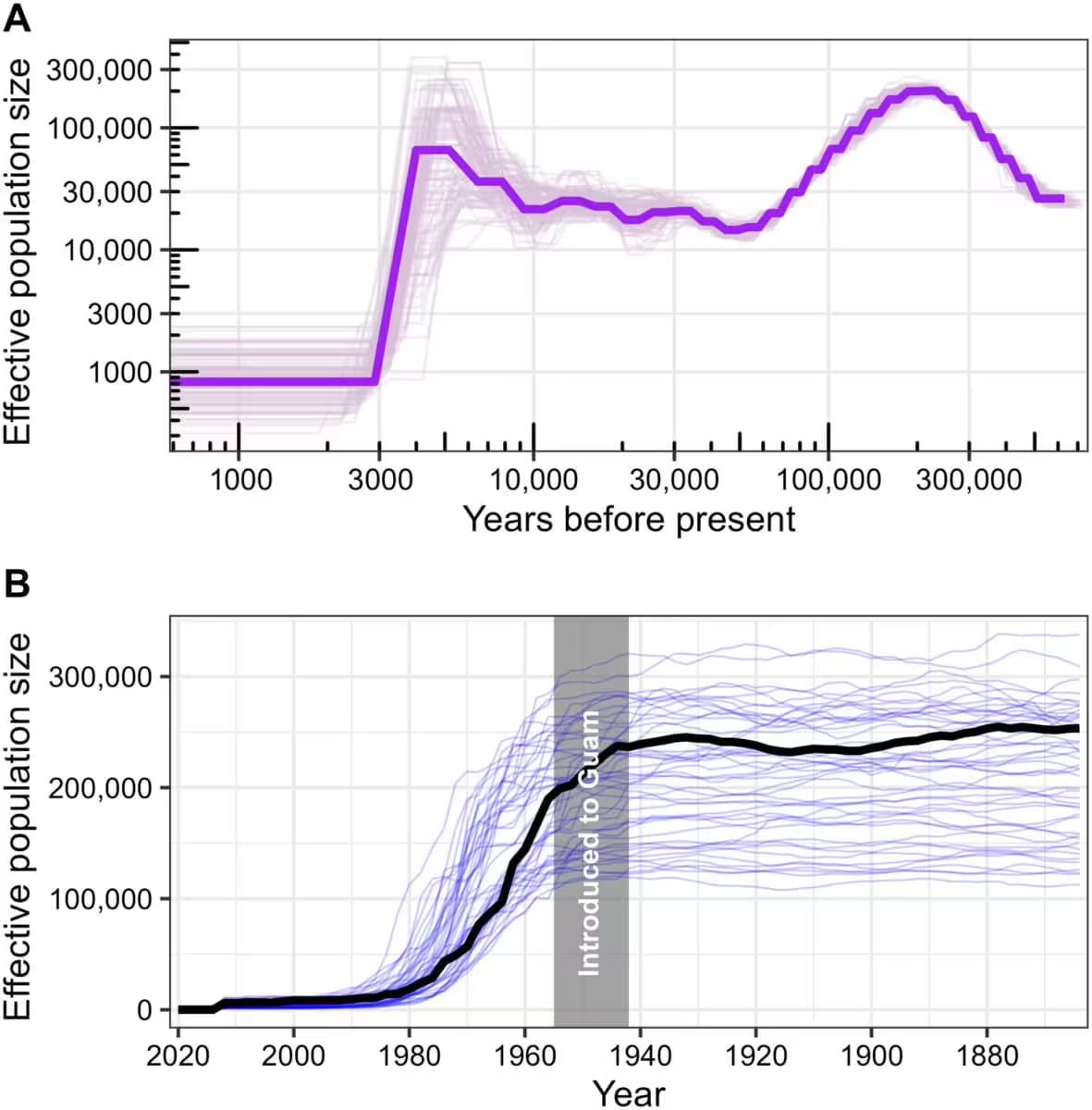
Trevor Krabbenhoft, PhD, associate professor at the University at Buffalo and corresponding author of the study, emphasized that overall genetic diversity in the Guam population is modest. “What matters,” he noted, “are the specific structural changes that confer adaptive benefits, many of which have been overlooked by conventional sequencing.”
What Inbreeding Can Teach Conservationists
The research reframes how scientists view populations that have endured severe bottlenecks. Even a limited founder group may harbor cryptic variants capable of fueling rapid adaptation and expansion.
Christopher Osborne, PhD, an aquatic biologist at SUNY Oswego and lead author, warned that the findings could have broader implications: “Endangered species might possess more genetic flexibility than we assume. Recognizing hidden sources of variation could reshape management strategies for inbred populations.”
“It’s possible that endangered species may have more flexibility in their genes than we realize,” adding, “We’re now getting a better understanding of unappreciated sources of genetic diversity that may explain how some inbred species can still respond to their environment.”
Future work will compare Guam’s snakes with those from their native habitats in Australia and the South Pacific to determine whether the identified structural variants pre‑existed or emerged after colonization. Clarifying this timeline will refine our understanding of how hidden genomic diversity can shape invasive success and inform strategies for protecting vulnerable species.
This article has been fact checked for accuracy, with information verified against reputable sources. Learn more about us and our editorial process.
Last reviewed on .
Article history
- Latest version
Reference(s)
- Osborne, Christopher A.., et al. “Genomic structural variation rescues a classic biological invader from a population bottleneck.” Science Advances, vol. 12, no. 30, July 24, 2026 American Association for the Advancement of Science (AAAS), doi: 10.1126/sciadv.aed3656. <https://www.science.org/doi/10.1126/sciadv.aed3656>.
- <https://www.researchgate.net/profile/Levi-Gray>.
- <https://arts-sciences.buffalo.edu/biological-sciences/faculty/faculty-directory/trevor-krabbenhoft.html>.
Cite this page:
- Posted by Linda Wilson