Scientists Cracked Open 178 Cans Of Old Salmon To Reveal A 42 Year Ocean Mystery
A warehouse filled with aging salmon cans has become an accidental time capsule, offering a unique look into the past through preserved food history.
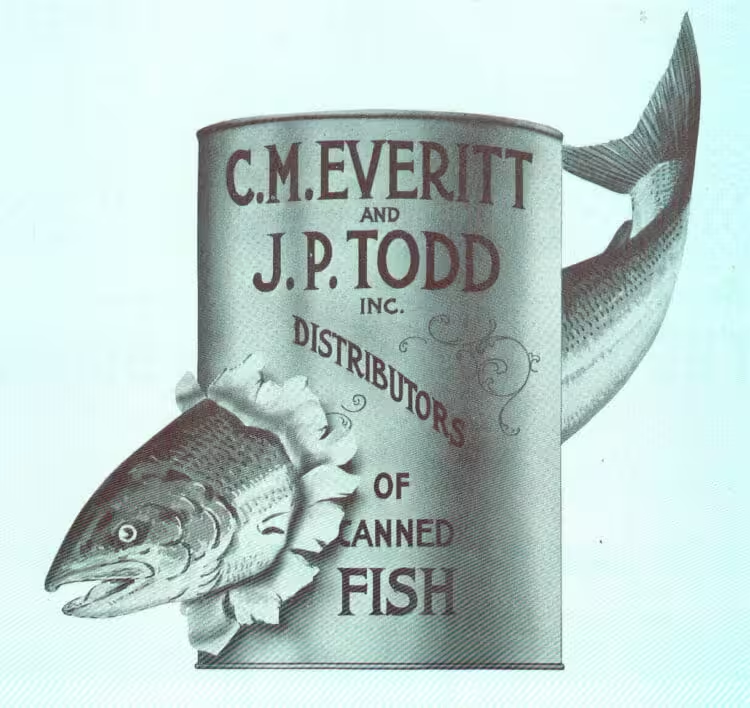
Decades of routine quality control by a seafood industry trade group resulted in a collection of 178 cans of salmon sitting untouched in a Seattle warehouse. Some of these tins dated back as far as 1979, serving as a silent, long-term archive of Alaskan fisheries. When the Seafood Products Association no longer required the inventory, University of Washington researchers saw an opportunity to unlock a 42-year record of environmental change.
Chelsea Wood, an associate professor of aquatic and fishery sciences at the University of Washington, led the effort to analyze these preserved fillets. The collection, which spanned from 1979 to 2021, included four wild-caught Alaskan salmon species sourced from Bristol Bay and the Gulf of Alaska. The findings, recently published in Ecology and Evolution, suggest that the secret to tracking marine food web health might lie in the tiny, preserved corpses of parasites.
Biological Indicators of Ecosystem Stability
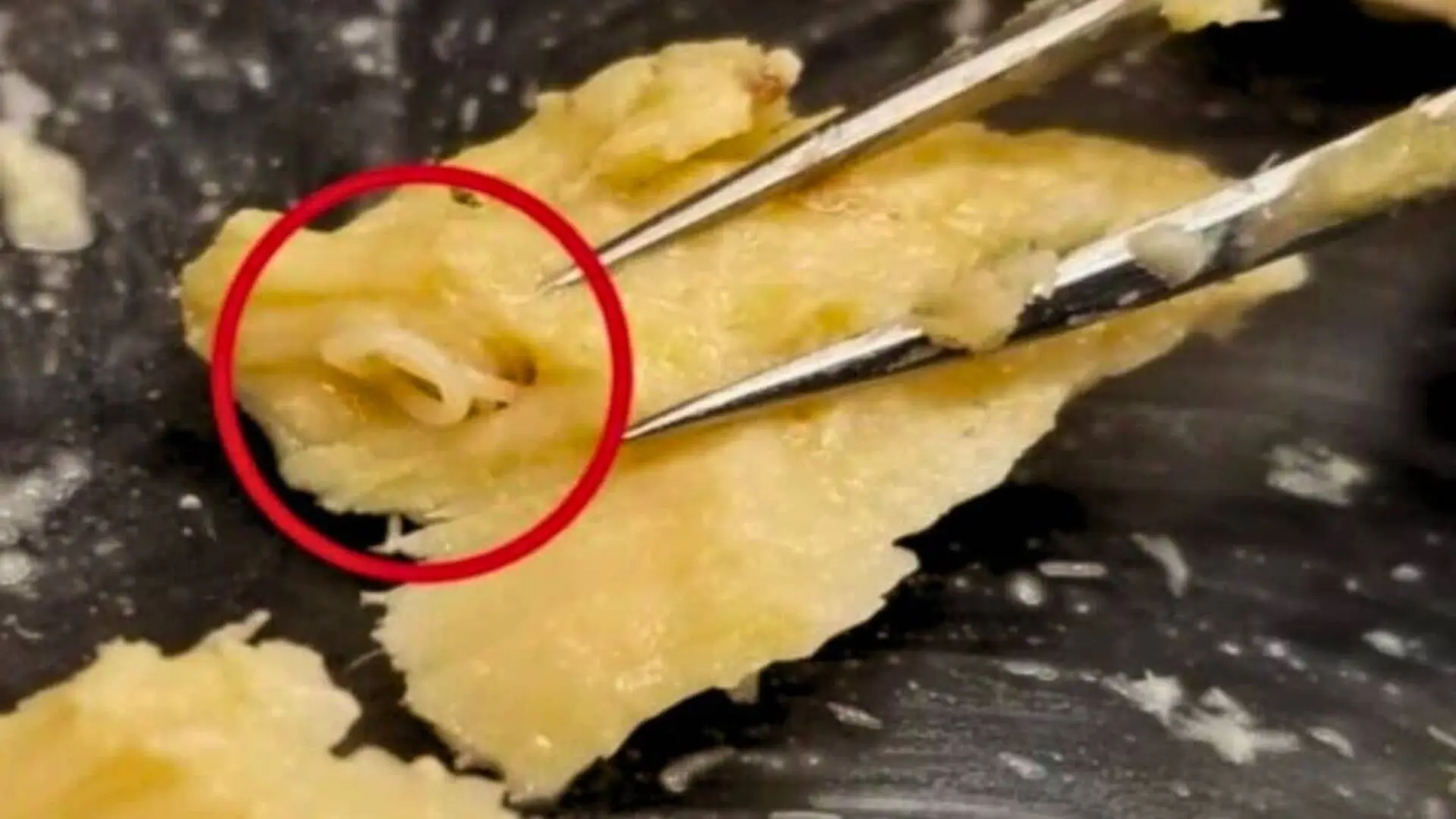
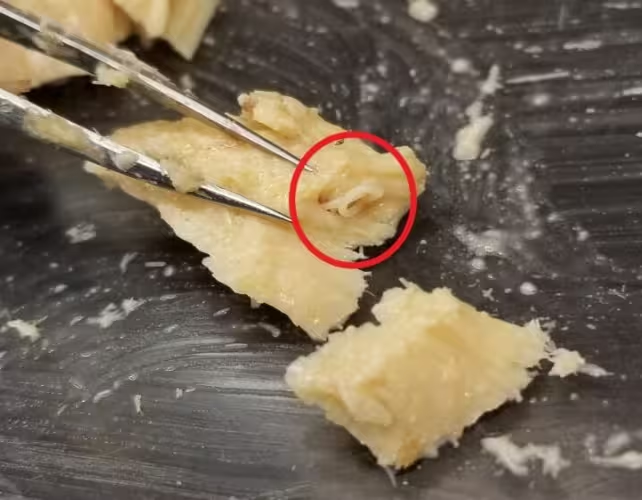
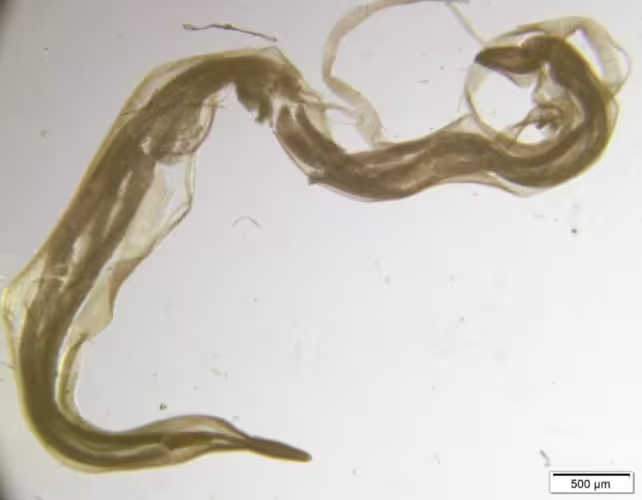
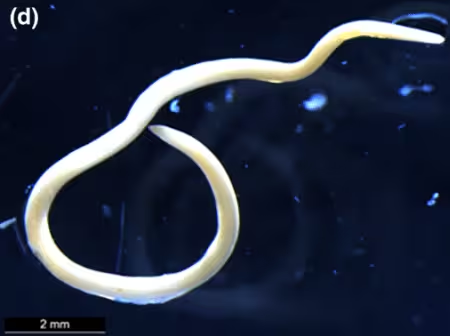
The research focused on anisakid roundworms, common marine parasites about one centimeter in length. While the heat of the canning process rendered the worms harmless to human consumers, it perfectly preserved them for laboratory examination. Natalie Mastick, who led the dissections as a doctoral student at the university and currently works as a postdoctoral researcher at Yale’s Peabody Museum of Natural History, manually extracted the worms from the flesh to track their prevalence over time.
The presence of these parasites is not necessarily a sign of a compromised environment. On the contrary, because anisakid worms require a complex life cycle involving krill, fish, and finally marine mammals, their ability to thrive is contingent upon a robust food web. If a key predator population, such as marine mammals, were to disappear, the parasites would lose the environment necessary to reproduce. Their presence effectively acts as a diagnostic tool for ecological health.
Diverging Trends Across Salmon Species
The team observed distinct patterns in parasite density over the four-decade study period. Populations of anisakids increased within pink and chum salmon, suggesting that these species were successfully interacting with the broader host community required for the parasite to complete its life cycle. In contrast, parasite counts in coho and sockeye salmon remained relatively stable.
Researchers noted that the canning process degraded the internal anatomy of the worms, making it difficult to identify them beyond the family level. Because different anisakid species rely on varying host arrays, the lack of species-level resolution leaves some questions unanswered regarding why the parasite trends differed so significantly between salmon varieties.
Legislative Impact on Marine Populations
One of the primary hypotheses for the rising parasite numbers in pink and chum salmon is the implementation of the Marine Mammal Protection Act of 1972. By strictly regulating the hunting and harassment of whales, seals, and sea lions, the legislation helped trigger a resurgence in marine mammal populations across U.S. waters. As these apex predators recovered, they provided more opportunities for the worms to reproduce, likely driving the upward trend observed in the study.
While variables such as rising ocean temperatures and improved water quality regulations under the Clean Water Act likely played a role, researchers emphasized that the study does not isolate a single driver for these changes. The team noted that in some global regions, anisakid prevalence has increased significantly since the 1970s, providing broader context for the Alaskan findings.
Supported by a grant from the North Pacific Research Board, Wood and Mastick are now looking to expand their methodology to other canned goods, such as sardines, tuna, and halibut. The success of the project highlights the importance of unconventional archival data. By tapping into overlooked industrial inventories, scientists are gaining new perspectives on how marine ecosystems have navigated environmental shifts over the last half-century.
This article has been fact checked for accuracy, with information verified against reputable sources. Learn more about us and our editorial process.
Last reviewed on .
Article history
- Latest version
Reference(s)
- Mastick, Natalie., et al. “Opening a can of worms: Archived canned fish fillets reveal 40 years of change in parasite burden for four Alaskan salmon species.” Ecology and Evolution, vol. 14, no. 4, April 4, 2024 Wiley, doi: 10.1002/ece3.11043. <https://onlinelibrary.wiley.com/doi/10.1002/ece3.11043>.
- “Laws & Policies : Marine Mammal Protection Act | NOAA Fisheries.” <https://www.fisheries.noaa.gov/topic/laws-policies/marine-mammal-protection-act>.
Cite this page:
- Posted by Linda Wilson