New Study Reveals Twice As Many Australian Reptile Species Are Now Facing Extinction
A new study reveals that 127 Australian snake and lizard species are at risk of extinction, suggesting reptiles face a far greater threat than once thought.
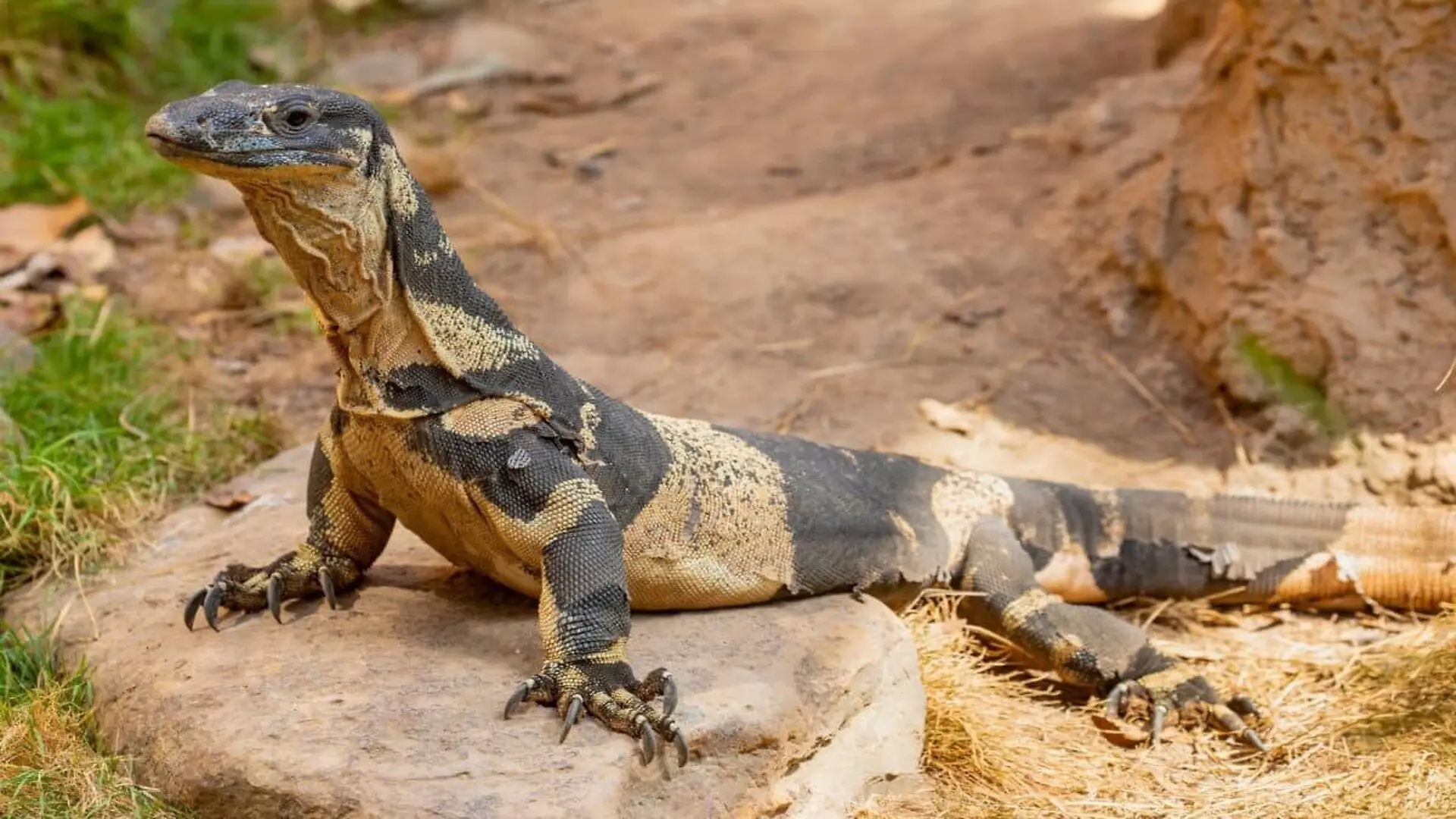
A comprehensive new assessment reveals that the extinction risk for Australia’s terrestrial lizards and snakes is significantly higher than previously estimated. Published in Pacific Conservation Biology, the research synthesizes data from the IUCN Red List, federal and state environmental legislation, and recent predictive modeling to provide a sobering update on the status of the country’s unique reptile populations.
The Growing Scale of the Reptile Crisis
The findings indicate a stark shift in conservation status. While a 2017 national assessment identified 64 threatened terrestrial squamate species, the latest review suggests that the actual number is closer to 127. This shift moves the proportion of threatened species from 7.1% to 13.1%, nearly doubling the estimated risk in less than a decade.
Much of this disparity is driven by a lack of fundamental data. Researchers found that species classified as Data Deficient are 5.4 times more likely to be threatened than those with well-documented biological profiles. Furthermore, species that have not yet undergone formal evaluation are three times more likely to face extinction risks than previously recognized.
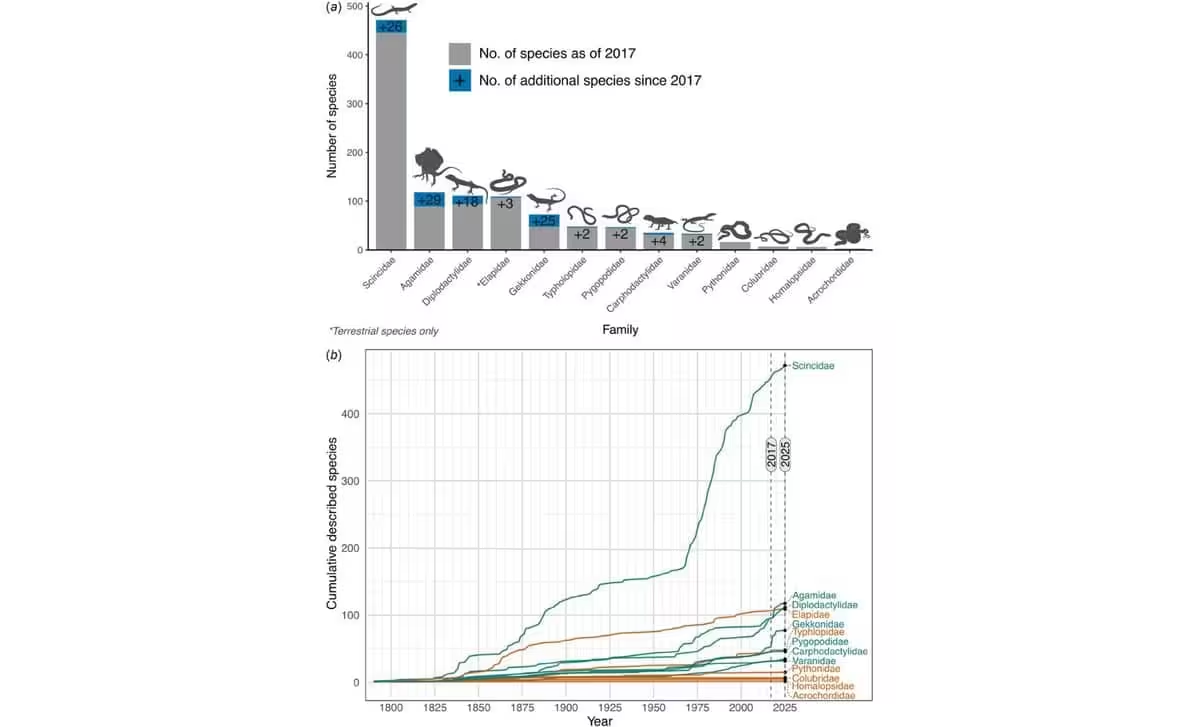
The challenge of monitoring these animals is compounded by the rapid expansion of Australia’s known reptile fauna. Since 2017, the count of recognized terrestrial lizards and snakes has climbed from 955 to 1,066, a growth of 11.6% driven largely by newly discovered dragons, skinks, and geckos. These new additions often occupy narrow geographic ranges and lack the long-term ecological data required for accurate conservation status determination.
“Australia is home to around 10% of the world’s lizard and snake diversity, yet they remain one of our least understood and least monitored groups of vertebrates,” said David Chapple of Monash University, the study’s lead author.
Environmental Pressures Outpacing Conservation Efforts
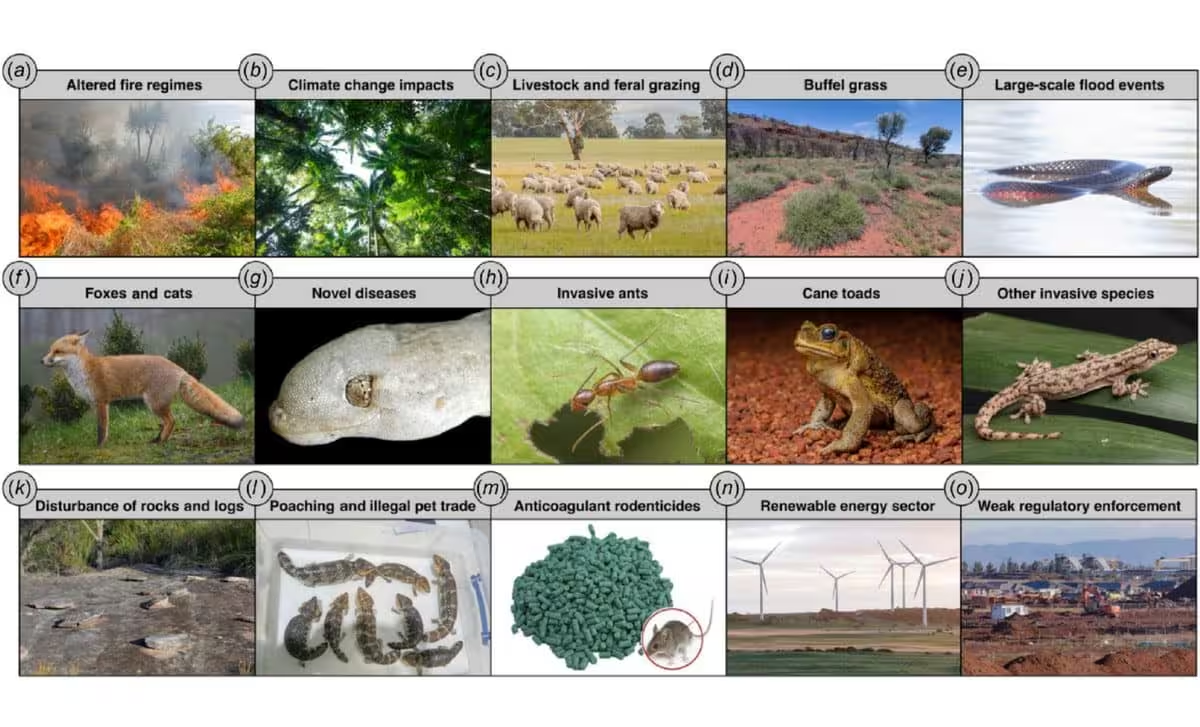
Australia’s reptiles face a multifaceted barrage of threats, ranging from habitat loss and climate change to invasive species and altered fire cycles. The 2019–2020 megafires underscored the volatility of these risks, burning across 100,000 square kilometers and impacting 40% of the country’s squamate species. The impact was inconsistent, with some populations showing resilience while others struggled to recover from the massive loss of habitat.
Introduced predators remain a primary concern. Domestic and feral cats, along with foxes, are estimated to kill approximately 697 million reptiles annually. While data points to cats consuming 263 species and foxes 108, the authors note that direct evidence linking these predation rates to population-wide declines is still missing for many threatened species.
Existing conservation frameworks are currently struggling to keep up. According to the study, a significant number of species listed under the federal EPBC Act have not seen a status reassessment in over a decade, with some remaining unreviewed since the law was enacted in 2000.
To address these systemic gaps, the researchers have proposed 11 recommendations, emphasizing the need for more rigorous, long-term monitoring and standardized, frequent national reviews. A new comprehensive reassessment of Australia’s reptile fauna is already scheduled for 2027.
This article has been fact checked for accuracy, with information verified against reputable sources. Learn more about us and our editorial process.
Last reviewed on .
Article history
- Latest version
Cite this page:
- Posted by Linda Wilson