How 500 Giant Tortoises Are Turning Patches of the Sahara Green From Space
Giant African tortoises are restoring barren landscapes by churning hardened soil, unintentionally triggering the growth of new green patches of vegetation.
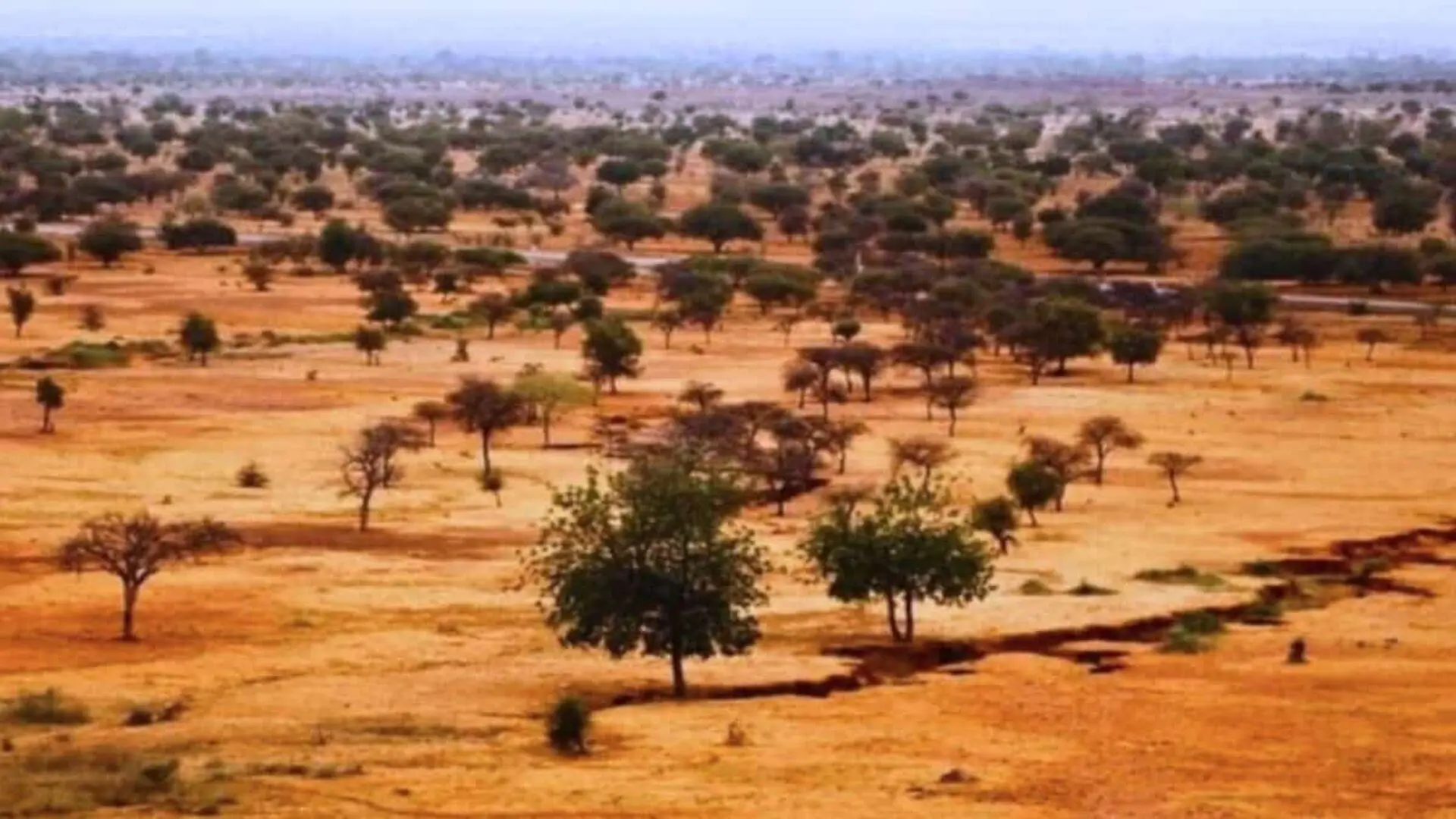
When five hundred African spurred tortoises were released along the southern edge of the Sahara in 2021, researchers observed an unexpected environmental side effect. Satellite imagery captured the appearance of scattered green patches in the wake of the animals, a phenomenon tied directly to the tortoises’ natural tendency to disturb hardened ground.
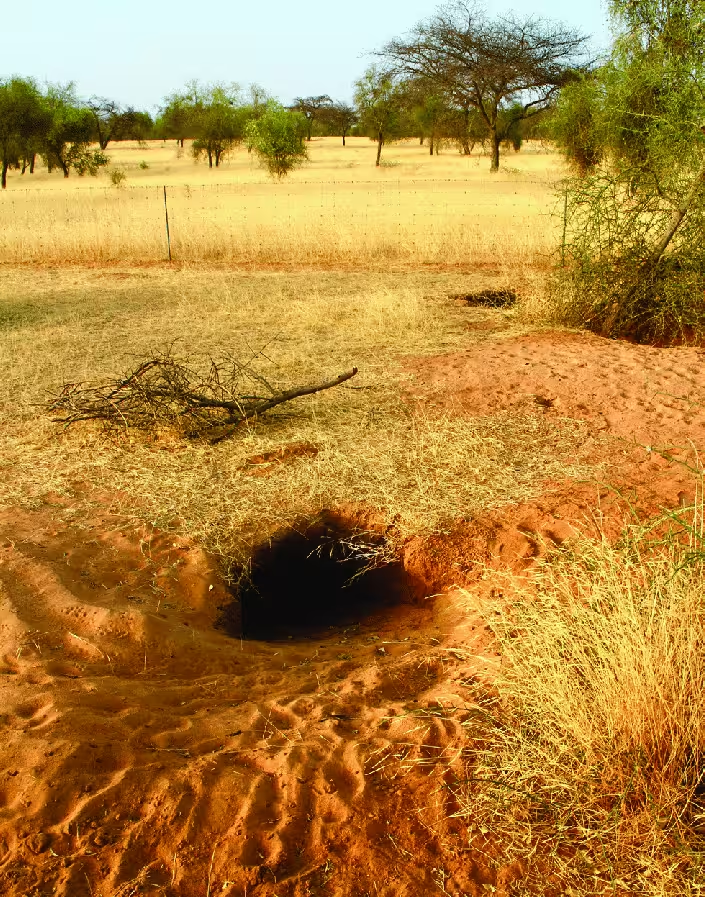
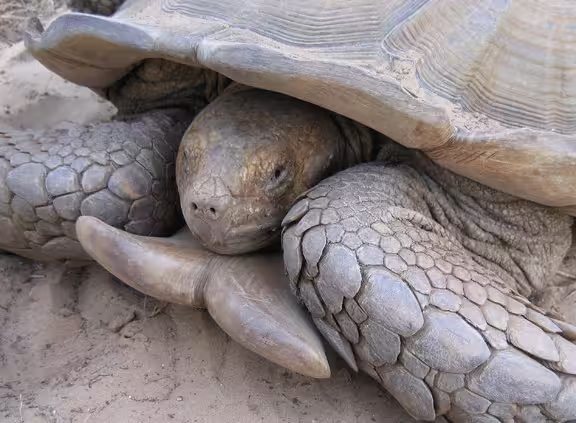
The species, Centrochelys sulcata, holds the title of the largest continental tortoise on Earth. These massive reptiles, with males occasionally exceeding 100 kilograms, are well-known for their engineering capabilities. According to a 2020 profile from the IUCN/SSC Tortoise and Freshwater Turtle Specialist Group, they excavate elaborate underground shelters that can extend up to 15 meters in length. By breaking through the arid, compacted crust of the Sahelian landscape to create these burrows, the tortoises create small, sheltered pockets that retain moisture more effectively than the surrounding plains, providing a vital window for seeds to germinate after rainfall.
Engineering the Sahelian Ecosystem
While the emergence of vegetation is striking, experts caution that this is not a large-scale ecological restoration project. The greening is localized, occurring only in specific areas of soil disturbance rather than as a widespread forest recovery. The tortoises are not acting as intentional gardeners; rather, their survival behaviors—burrowing to escape extreme surface heat or to find refuge—accidentally improve the soil quality for native flora.
The concept of large reptiles as “ecosystem engineers” is not new to biology. A 2017 review published in Frontiers in Ecology and Evolution explored the multifaceted roles these animals play in their environments. Beyond simple excavation, the researchers examined how tortoises contribute to seed dispersal and vegetation management through grazing and trampling. While the study highlighted C. sulcata as an ecological actor, it noted that the precise scale of these contributions—such as the exact extent of their impact on plant recruitment—remained largely unquantified in the scientific literature until these recent field observations.
The Challenges of Reintroduction
The survival of these tortoises in the wild is a significant concern, as the species faces persistent threats from habitat loss, illegal collection for the pet trade, and intense competition with livestock. However, previous conservation efforts have shown promise. In North Ferlo, Senegal, radio-tracking data indicated that reintroduced tortoises maintained a survival rate of over 80 percent across a four-year study period. Another initiative at the Réserve de Bandia successfully grew a population from eight to 22 individuals over the course of a decade.
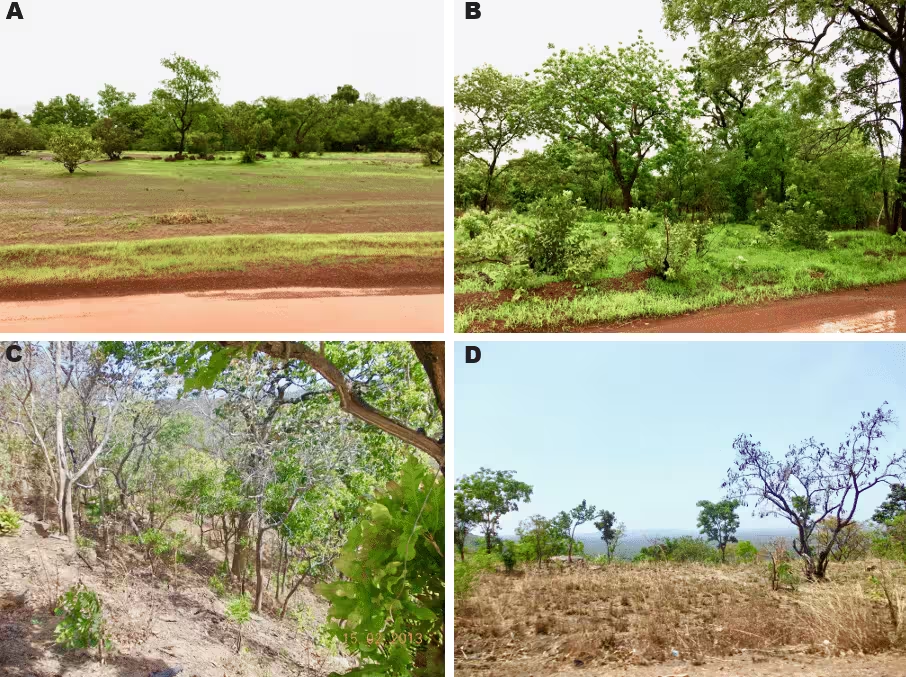
Despite these successes, the species’ conservation status remains a subject of debate. While the IUCN Red List formally classified them as Vulnerable in 1996, a 2013 provisional assessment by specialists suggested they may be Endangered. The dichotomy between these assessments underscores the urgency of understanding how these animals interact with their environment. If the tortoises provide a measurable “niche construction” effect, where their digging directly supports vegetation, then reintroduction efforts may hold even greater significance for arid land conservation than previously assumed.
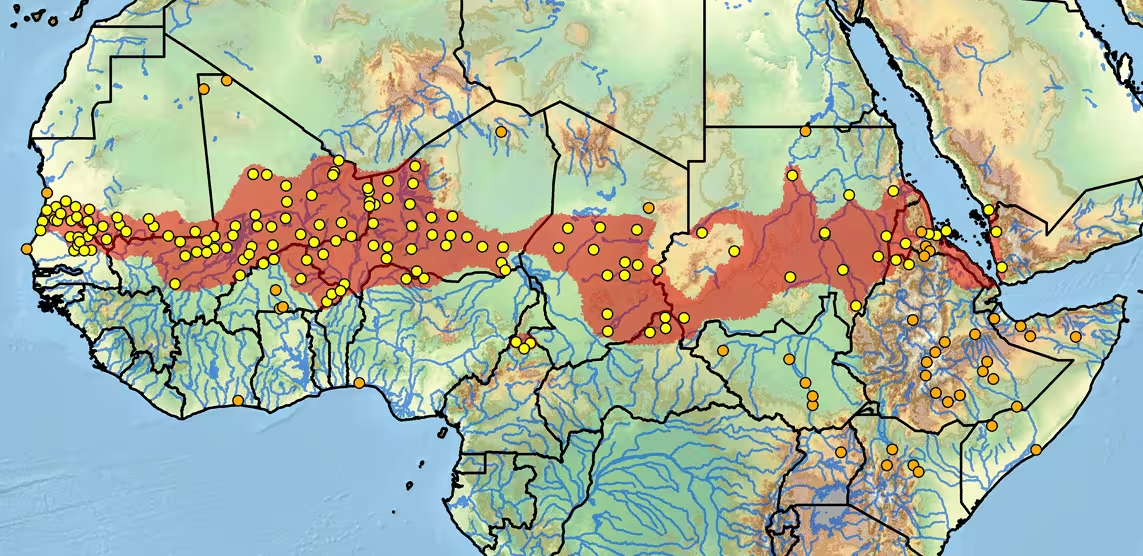
Moving forward, researchers aim to bridge the gap between anecdotal reports of soil disturbance and quantitative ecological analysis. While it is clear that the physical presence of these tortoises significantly modifies the landscape, determining whether these localized green patches can scale into larger, more resilient habitat corridors remains the next frontier in reptile conservation biology.
This article has been fact checked for accuracy, with information verified against reputable sources. Learn more about us and our editorial process.
Last reviewed on .
Article history
- Latest version
Reference(s)
- “Crm.5.110.sulcata.v1.2020.” <https://iucn-tftsg.org/wp-content/uploads/crm.5.110.sulcata.v1.2020.pdf>.
- Miranda, Everton. “The Plight of Reptiles as Ecological Actors in the Tropics.” Frontiers in Ecology and Evolution, vol. 5, December 15, 2017, pp. 309533 Frontiers, doi: 10.3389/fevo.2017.00159/full. <https://www.frontiersin.org/journals/ecology-and-evolution/articles/10.3389/fevo.2017.00159/full>.
Cite this page:
- Posted by Linda Wilson