New Study Reveals Why Some Mammals Pass an Evolutionary Point of No Return in the Water
New research reveals a striking evolutionary pattern: once marine mammals return to the water, the path back to land almost entirely vanishes.
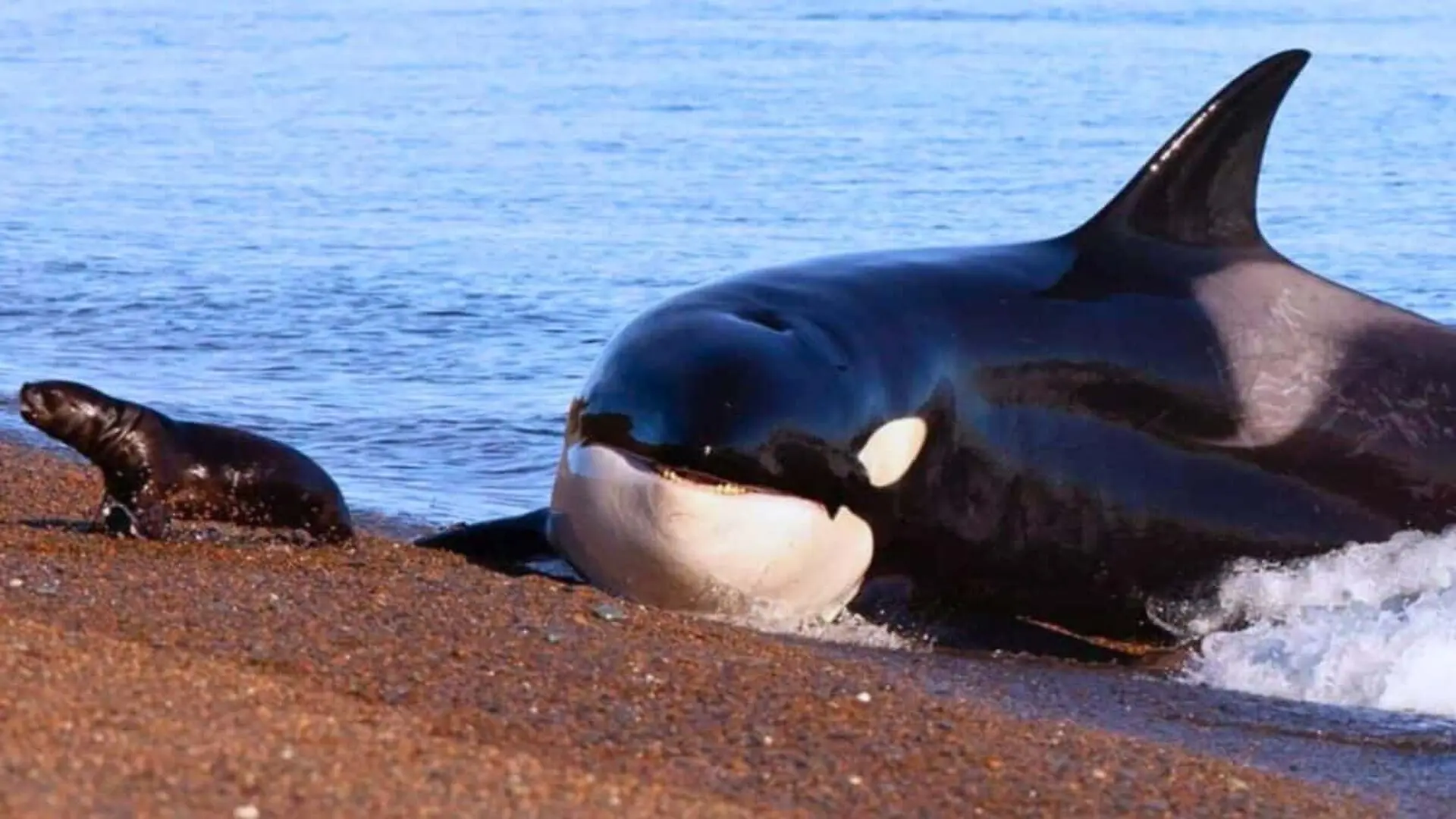
The evolutionary trajectory of mammals moving from land to water is often viewed as a one-way street, but new research suggests that this transition is reversible—at least until a specific point of no return. A study published in Proceedings of the Royal Society B identifies a critical threshold in aquatic adaptation beyond which retracing the path to a terrestrial lifestyle becomes statistically improbable.
To investigate these evolutionary boundaries, researchers Bruna M. Farina, Søren Faurby, and Daniele Silvestro analyzed data from 5,635 living and recently extinct mammal species. By categorizing these animals based on their physical adaptations to water, the team constructed a four-step scale of aquatic specialization:
- A0: Mammals with no specific aquatic adaptations.
- A1: Animals with features like webbing that retain efficient movement on land, such as platypuses or water shrews.
- A2: Mammals that are highly adapted for the water but still regularly traverse land, including seals, walruses, and sea otters.
- A3: Fully aquatic species that never leave the water, such as whales, dolphins, and manatees.
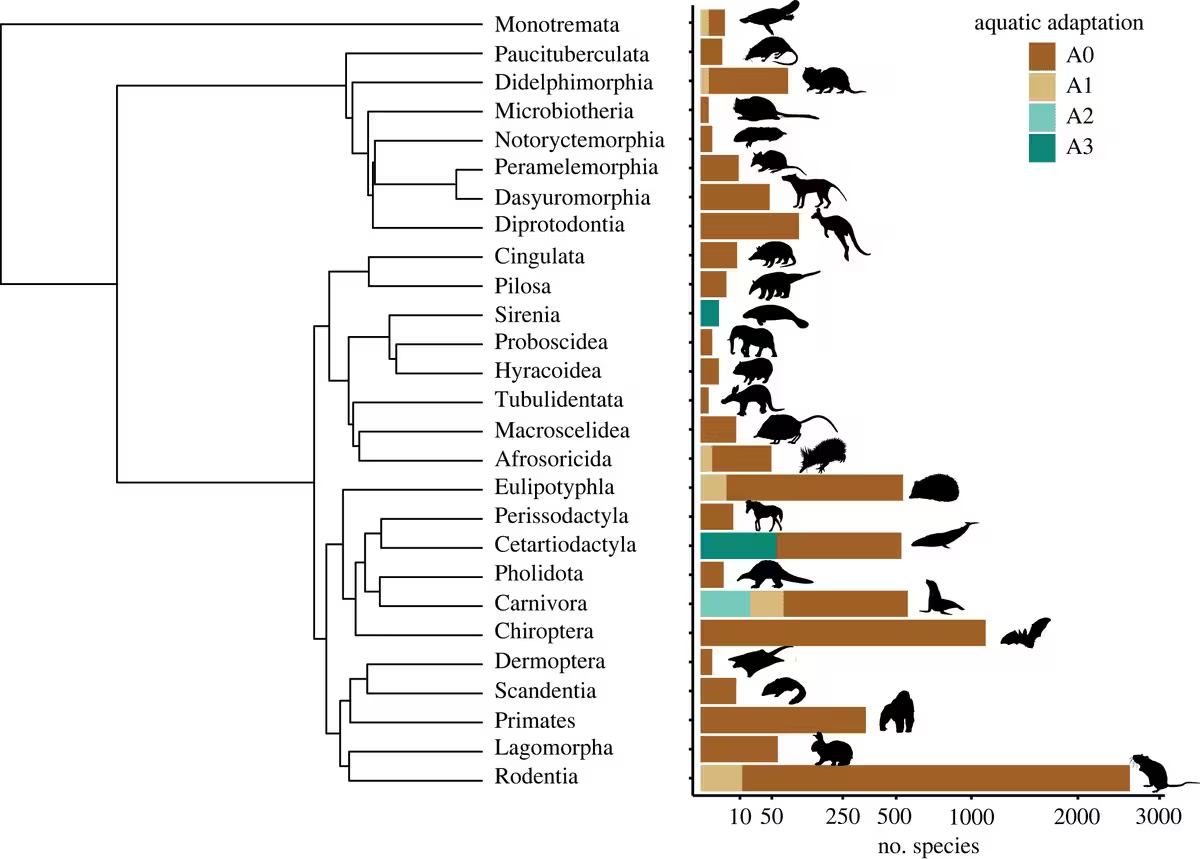
The statistical models indicated that the transition is fluid between the A0 and A1 categories, allowing lineages to return to a fully terrestrial state. However, once a species crosses the threshold into the A2 category, the evolutionary pressure shifts entirely toward further specialization. The researchers suggest that this barrier represents the point at which the biological cost of reversing these changes becomes too great.
The Anatomy of Irreversibility
The resistance to returning to land is not merely a consequence of losing limbs; it is a profound physiological commitment. As mammals descend deeper into aquatic niches, they accumulate extensive changes in their sensory systems, reproductive strategies, lung capacity, and metabolic processes. This phenomenon aligns with Dollo’s law, which posits that complex evolutionary traits are rarely regained once they are discarded.
Furthermore, the environment itself acts as a gatekeeper. Any lineage attempting to reclaim a terrestrial niche would face established predators already optimized for land, creating an ecological obstacle that reinforces the anatomical barrier. The study emphasizes that while this process is not technically impossible, the combination of internal morphological shifts and external environmental competition renders a return to land effectively unreachable.
The Drive Toward Greater Body Mass
The research also highlighted a distinct correlation between aquatic adaptation and body size. As species moved toward more specialized aquatic roles, their average body mass increased significantly. This trend is likely driven by the physics of heat retention; water conducts heat away from the body much faster than air, and a lower surface-area-to-volume ratio—provided by a larger body—is a highly efficient thermal strategy.
This physical growth, coupled with a preference for protein-rich, carnivorous diets in aquatic environments, underscores the intense metabolic demands of marine life. While evolution continues to shape these creatures, the data confirms that once a mammal fully commits to the water, the path back to the surface is closed by the very adaptations that allow them to thrive in the deep.
This article has been fact checked for accuracy, with information verified against reputable sources. Learn more about us and our editorial process.
Last reviewed on .
Article history
- Latest version
Reference(s)
- Farina, B. M.., et al. “Dollo meets Bergmann: morphological evolution in secondary aquatic mammals.” Proceedings of the Royal Society B: Biological Sciences, vol. 290, no. 2002, July 12, 2023 The Royal Society, doi: 10.1098/rspb.2023.1099. <https://royalsocietypublishing.org/doi/10.1098/rspb.2023.1099>.
Cite this page:
- Posted by Linda Wilson