Jellyfish Swarm Forces French Nuclear Reactor Shutdown for Second Time on Same Date
A jellyfish swarm disrupts a French nuclear plant, reviving a feared issue operators believed they’d mitigated, highlighting the striking timing.
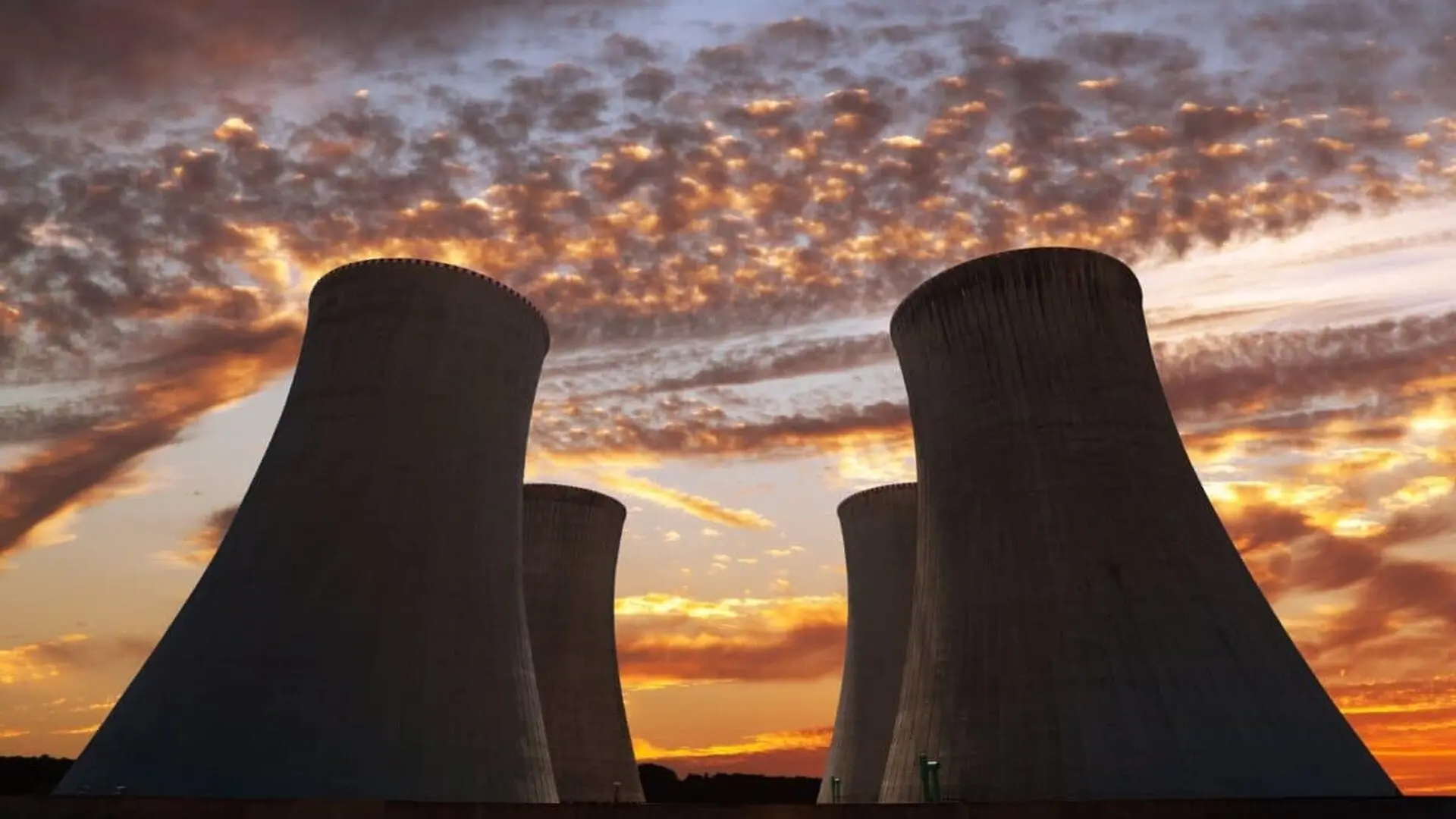
Jellyfish Swarm Forces Reactor Shutdown at France’s Largest Nuclear Facility
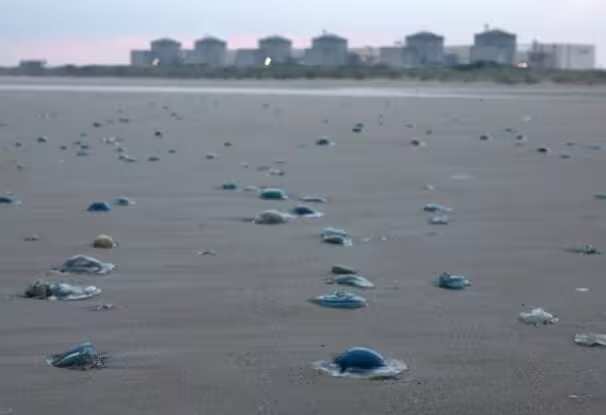
A dense aggregation of jellyfish entered the intake channels of the Gravelines nuclear power plant in northern France, prompting operators to halt a reactor as a precautionary measure. The blockage overwhelmed the cooling‑water pumps, echoing a similar disruption that occurred on the same calendar day in 2025.
The 2025 incident forced the shutdown of four units after EDF described the event as a “massive and unforeseeable presence of jellyfish” in the same pumping stations. Despite investing several hundred thousand euros in deterrent systems that year, the recent bloom managed to bypass those safeguards.
In response, EDF has mobilised a fleet of fishing vessels to patrol the surrounding waters continuously, aiming to keep future blooms at bay. Plant officials anticipate that the reactors will resume full‑capacity operation within the next few days.
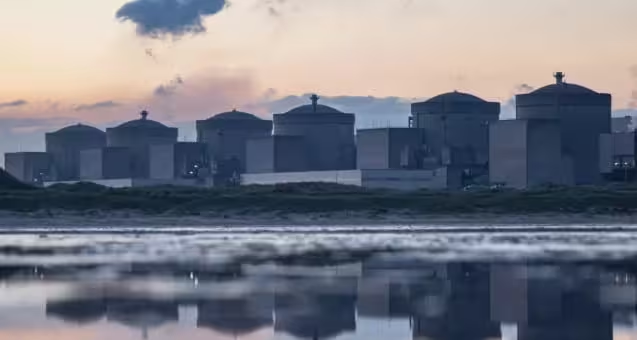
Rising Sea Temperatures May Amplify Jellyfish Blooms
Scientific observations link warmer ocean layers to heightened jellyfish activity. Elevated temperatures boost plankton productivity, providing abundant food for medusae, while also accelerating their growth cycles and extending breeding periods. The Gravelines episode thus unfolds against a backdrop of climate‑driven changes in marine ecosystems, as noted by ScienceAlert.
The plant relies on a network of water‑cooling pumps to regulate reactor temperatures. When swarms infiltrate these intake lines, the resulting obstruction can halt coolant flow, compelling operators to shut down affected units to protect the core.
Wildlife Encounters Disrupt Critical Infrastructure Around the Globe
The interaction between animals and high‑tech facilities is not limited to marine life. In 2025, a raccoon breached an electrical substation in Connecticut, damaging equipment and triggering more than 1,000 outages that left over 2,500 customers without power.
A 2017 incident at the Laser Interferometer Gravitational‑Wave Observatory (LIGO) in Washington state saw ravens pecking at an ice‑covered cooling pipe. The resulting vibrations produced data glitches that researchers later replicated in the laboratory, prompting redesigns to prevent ice formation on critical components. (LIGO)
CERN experienced a mysterious power interruption in 2009 that affected its cryogenic systems. Investigators found feathers and a piece of bread near the fault, leading to speculation that a bird carrying a baguette fragment may have been involved.
A 2022 study published in Scientific Reports documented how macaques in Bali learned to steal personal items, barter them for food, and later return the objects, highlighting the diverse ways animals can intersect with human activities. (Nature)
This article has been fact checked for accuracy, with information verified against reputable sources. Learn more about us and our editorial process.
Last reviewed on .
Article history
- Latest version
Reference(s)
- Nield, David. “Swarming Jellyfish Just Shut Down a Nuclear Reactor For The Second Time.”, August 14, 2026 ScienceAlert <https://www.sciencealert.com/swarming-jellyfish-just-shut-down-a-nuclear-reactor-for-the-second-time>.
- “LIGO Lab | Caltech | MIT.” LIGO Lab | Caltech <https://www.ligo.caltech.edu/>.
- Peterson, Jeffrey. “Cohort dominance rank and “robbing and bartering” among subadult male long-tailed macaques at Uluwatu, Bali - Scientific Reports.”, vol. 12, no. 1, May 13, 2022, pp. 7971 Nature, doi: 10.1038/s41598-022-11776-7. <https://www.nature.com/articles/s41598-022-11776-7>.
Cite this page:
- Posted by Linda Wilson