Ancient Sahara Teeth Reveal Unexpected Multiple Waves of Primate Arrival in Africa
Tiny fossil teeth from Libya’s Sahara rewrite the story of how monkeys and apes first arrived in Africa.
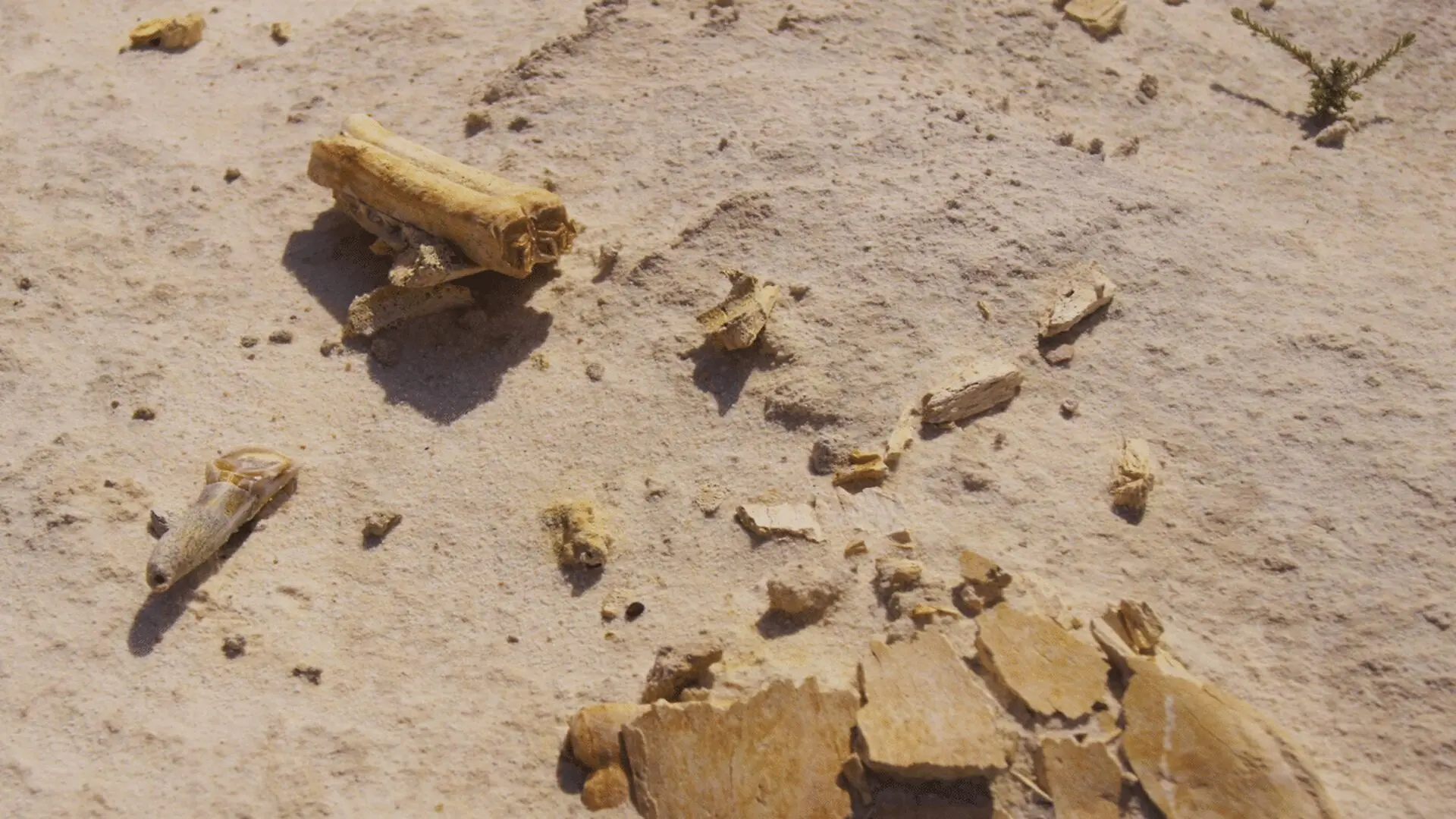
A pair of microscopic molars recovered from the Libyan desert has revealed a previously unknown primate, Saharopithecus salemi, pushing the record for Africa’s earliest anthropoids back to roughly 39 million years ago. The find, detailed in a recent article in the Journal of Human Evolution, forces a rethink of how and when the ancestors of modern monkeys and apes first set foot on the continent.
A Fossil‑Rich Oasis in Ancient Libya
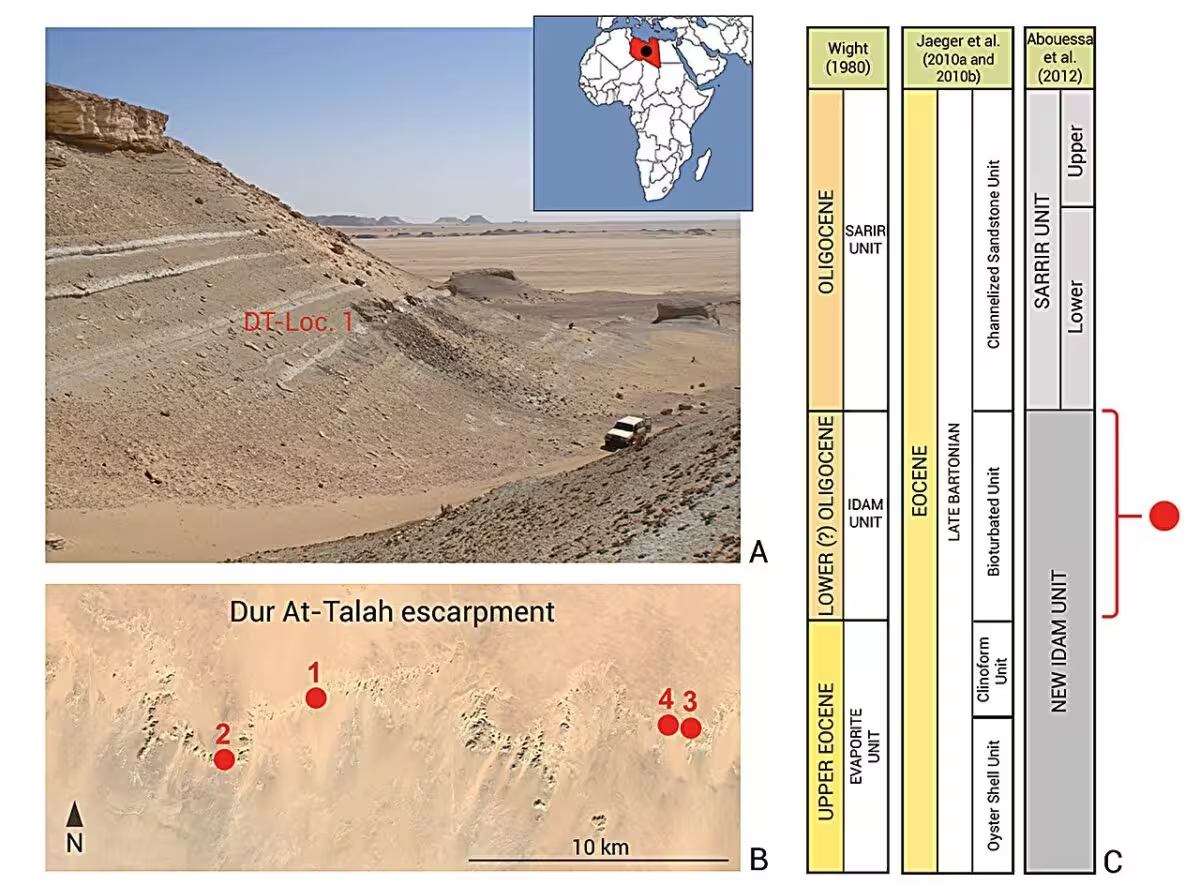
The specimens were unearthed at Dur At‑Talah, a remote escarpment in central Libya that today is an arid wasteland but once supported a verdant, river‑lined ecosystem. Earlier excavations at the same locality have already yielded three diminutive anthropoid species—Biretia piveteaui, Talahpithecus parvus and Afrotarsius libycus—each weighing only a few hundred grams and offering a rare window onto early primate diversity in Afro‑Arabia.
Tiny Teeth, Big Implications
Only two upper molars represent the entire known material of Saharopithecus salemi, yet their bunodont shape—with rounded cusps, a rectangular outline and a distinctive pericone cusp—blends primitive and derived dental features. High‑resolution micro‑CT scanning allowed researchers to generate three‑dimensional reconstructions, exposing the intricate arrangement of the protocone, hypocone and additional cusps that set the teeth apart from other known early anthropoids.
A Stem Anthropoid on the Evolutionary Tree
Comparative analysis positions the new taxon on an early branch of the anthropoid lineage, near the late‑Eocene Egyptian species Proteopithecus sylviae, but outside the crown group that gave rise to present‑day monkeys and apes. This “stem anthropoid” status implies that Saharopithecus salemi retained a mosaic of traits inherited from several ancestral lines, underscoring a far more tangled evolutionary pathway than a simple, linear progression.
The authors emphasize that “Dur At‑Talah currently represents the oldest known anthropoid community in Afro‑Arabia….” The diversity of small primates documented at the site suggests a complex ecosystem that may have been colonized by multiple dispersal events rather than a single wave from Asia.
Multiple Asian Invasions?
Dental similarities between Saharopithecus and Asian fossils such as Afasia bolster the hypothesis that several distinct primate lineages crossed into Africa during the Eocene. This scenario contrasts with older models that posited a single African cradle for higher primates, pointing instead to repeated biogeographic exchanges across the Tethys seaway.
Looking Ahead: New Finds on the Horizon
Future fieldwork in Libya and neighboring territories could uncover additional skeletal elements—lower jaws, post‑cranial bones or more teeth—that would clarify the exact phylogenetic placement of Saharopithecus salemi and illuminate its ecological habits. Each new fossil has the potential to refine the timeline of primate arrival and reveal whether other Asian‑derived species coexisted in the same habitats.
For now, the picture of diminutive anthropoids navigating ancient waterways, islands or coastal corridors into Africa adds a vivid new chapter to the story of primate evolution. The Sahara’s hidden strata continue to prove that what appears today as barren desert can preserve some of the most compelling clues about the early history of our closest animal relatives. The Sahara remains a fertile ground for uncovering the deep roots of monkey and ape lineages.
This article has been fact checked for accuracy, with information verified against reputable sources. Learn more about us and our editorial process.
Last reviewed on .
Article history
- Latest version
Reference(s)
- Jaeger, Jean-Jacques., et al. “New late middle Eocene anthropoids from Dur At-Talah, Libya: Implications for early primate dispersal into Afro-Arabia.” Journal of Human Evolution, vol. 215-216, June 1, 2026, pp. 103843 Elsevier BV, doi: 10.1016/j.jhevol.2026.103843. <https://www.sciencedirect.com/science/article/abs/pii/S0047248426000370?via%3Dihub>.
Cite this page:
- Posted by Linda Wilson