New Study Shows Switching to an EV Cuts Carbon Emissions by Up to 58% in Just Three Years
New study reveals electric vehicles cut carbon emissions far more than previously thought, boosting their environmental advantage.
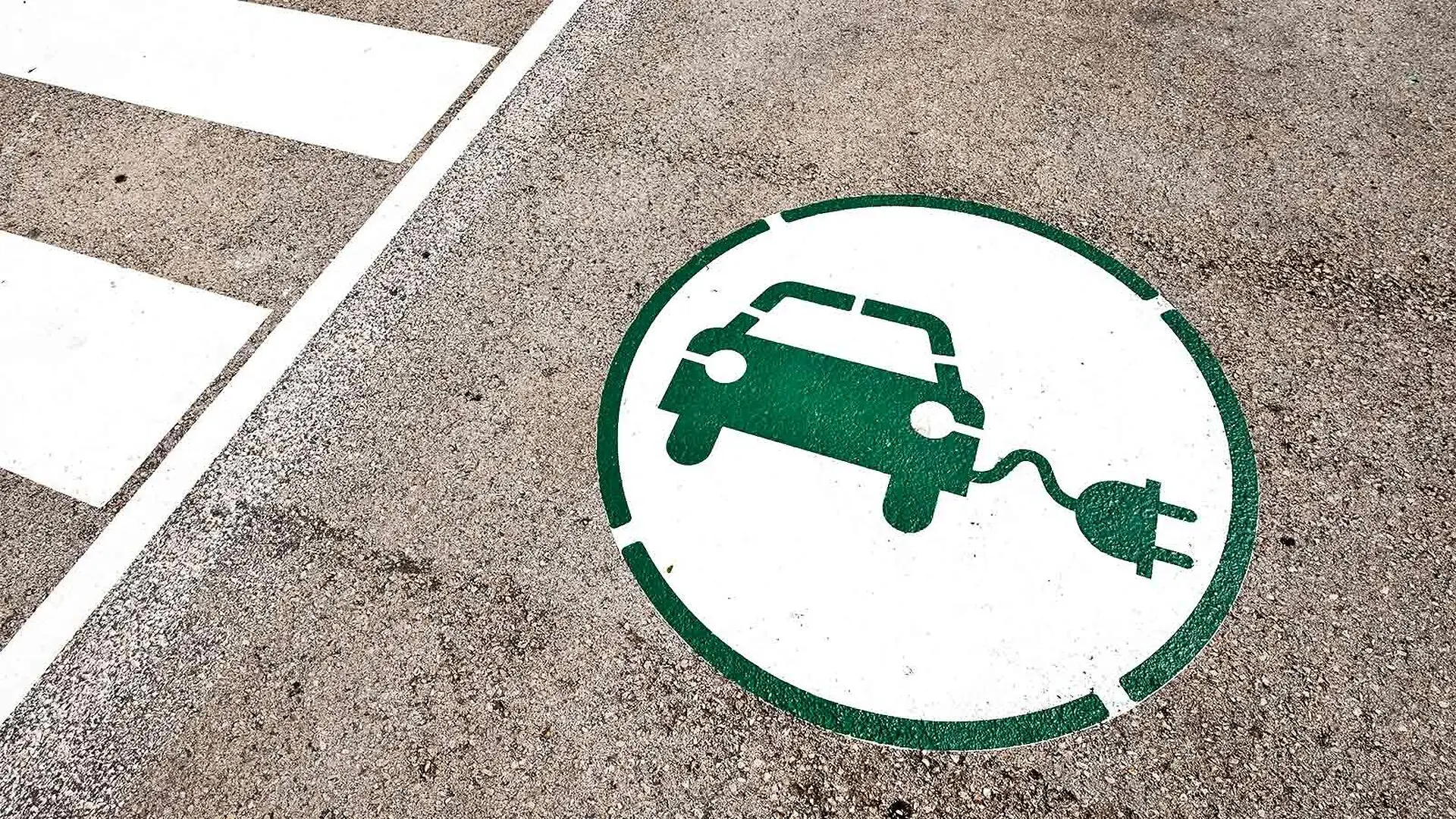
New analysis indicates that swapping a gasoline‑powered car for an electric model can slash carbon emissions by more than half, even when the replacement occurs early in the vehicle’s lifespan.
Rising fuel costs have spurred many U.S. drivers to consider greener travel options. While electric vehicles (EVs) are already known for lower operating expenses, the latest study from researchers at the University of California, Santa Barbara and UC Santa Cruz quantifies just how much cleaner they are for the climate.
Study confirms decisive emissions advantage for EVs
“Replacing an internal‑combustion vehicle with a battery electric vehicle almost always reduces greenhouse‑gas emissions,” explains Roland Geyer, professor at UCSB’s Bren School of Environmental Science & Management and co‑author of the paper published in Science. Lead author Elliott Campbell, an environmental studies professor at UC Santa Cruz, adds that the findings “make the sustainability case for EV ownership crystal clear.”
Why timing of vehicle retirement matters
Transportation now accounts for the largest share of U.S. carbon output, with personal cars contributing more than all other travel modes combined. Switching drivers from gasoline cars to battery‑electric models therefore offers a powerful lever for climate mitigation.
Previous work established that manufacturing and operating EVs emit far fewer greenhouse gases than conventional cars. However, guidance on the optimal moment to retire an existing gasoline vehicle has been lacking. The new research fills that gap by modeling a range of replacement scenarios.
Methodology and key findings
Campbell and Geyer evaluated over 400 vehicle models, varying factors such as fuel efficiency, battery size, driving mileage, and regional electricity mixes. They compared the emissions impact of keeping a gasoline car for its full 16‑year useful life against scrapping it at earlier intervals and inserting an EV.
Results show that the greatest climate benefit—up to a 58 % reduction in total emissions over 16 years—occurs when a gasoline car is replaced after just one year. On average, it takes roughly three years for the lower‑emission operation of an EV to offset the carbon cost of its production, after which the advantage grows rapidly.
Factors influencing the benefit
The magnitude of emissions savings depends on vehicle type, driving intensity, and local grid composition. For instance, plug‑in hybrid electric vehicles (PHEVs) can sometimes increase overall emissions if swapped early, because their efficiency already captures a substantial share of gasoline energy. Likewise, gasoline cars driven fewer than about 4,400 miles per year (cars), 4,250 miles (SUVs), or 6,700 miles (trucks) may not see a net benefit from early replacement.
Regions with electricity grids heavily reliant on coal or other high‑carbon fuels diminish the advantage of an early switch, though even in the dirtiest grids most gasoline models still achieve emissions reductions when replaced early. For the majority of the United States, the break‑even point lies well within the first three years of ownership.
Policy implications
Findings suggest that accelerating driver transitions to battery‑electric vehicles is essential for meeting climate goals. State‑run scrap‑and‑replace programs—such as those in California—could be expanded to cover a broader range of gasoline cars, increasing the pool of eligible participants.
As the national electricity mix continues to decarbonize and battery‑recycling technologies mature, the climate upside of early EV adoption will only improve. “The real puzzle is why this transition does not proceed any faster,” Geyer remarks, emphasizing the behavioral dimension of the challenge. Campbell concurs, noting that “the rate of climate action needs to accelerate too.”
This article has been fact checked for accuracy, with information verified against reputable sources. Learn more about us and our editorial process.
Last reviewed on .
Article history
- Latest version
Reference(s)
- Campbell, J. Elliott., et al. “The climate benefits of retiring a fully operational internal combustion engine vehicle.” Science, vol. 393, no. 6811, August 6, 2026, pp. 591-595. American Association for the Advancement of Science (AAAS), doi: 10.1126/science.adv5441. <https://doi.org/10.1126/science.adv5441>.
Cite this page:
- Posted by Vikram Desai