A Remote Lake Sealed Off Since the Ice Age Became Home to Millions of Jellyfish Found Nowhere Else on Earth
Under the tranquil depths of a secluded island lake, a remarkable jellyfish-related event has been quietly transpiring for millennia. Cut off from the vast expanse of the sea, this unique habitat conceals a marvel that consistently astonishes researchers.
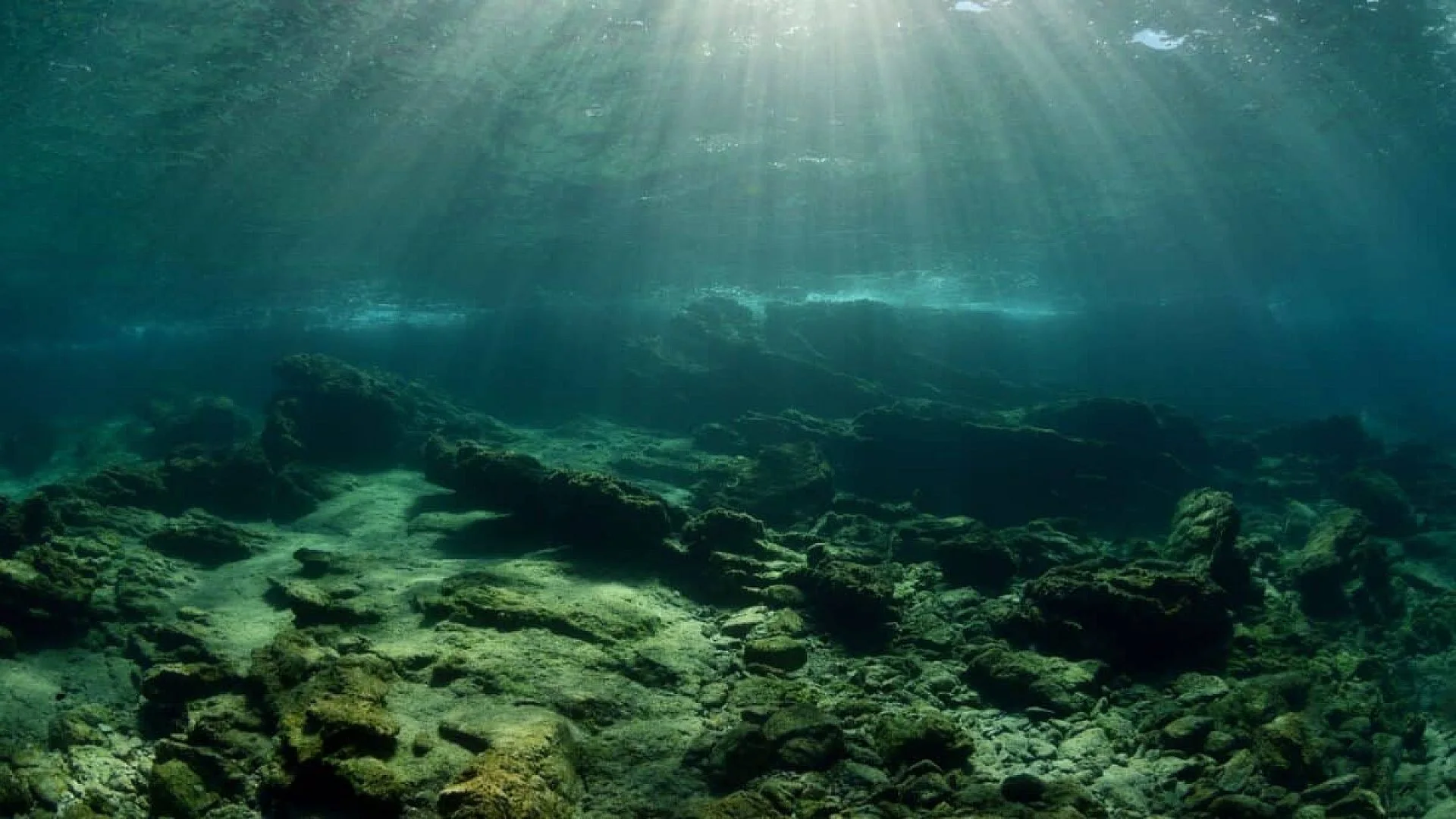
In the Rock Islands of Palau, a remote marine sanctuary is home to one of the most extraordinary wildlife populations on the planet. Jellyfish Lake, situated on the uninhabited island of Eil Malk, contains millions of jellyfish that have evolved in isolation for over 12 millennia, forming a unique subspecies found nowhere else on Earth.
Isolated from the ocean since the last ice age, the lake developed as a self-sustaining ecosystem where life followed its own path. Today, it is filled with massive numbers of jellyfish moving together across the water, shaped by a delicate balance with their environment. This small, hidden lake has become one of the most remarkable natural wonders in the Pacific.
A Lake Shaped By 12,000 Years Of Isolation
Known locally as “Fifth Lake,”this enclosed body of water is approximately 400 meters long and 30 meters deep. It formed when sea levels shifted at the end of the last ice age, cutting it off from nearby lagoons and the open ocean.
This separation created a self-contained ecosystem where species evolved under stable and isolated conditions. The inland sea is surrounded by mangrove trees, which support a variety of marine invertebrates. Over time, jellyfish became the most dominant and recognizable inhabitants of this environment, thriving in a delicate dance with their surroundings.
A Jellyfish Found Nowhere Else
As explained in the coverage published by Coral Reef Research Foundation, the lake’s most notable species is the golden jellyfish (Mastigias papua etpisoni), a subspecies of spotted jellyfish named after former Palauan president Ngiratkel Etpison. After thousands of years without contact with outside populations, these jellyfish developed traits that distinguish them from their relatives in the surrounding ocean, adapting to their unique environment in a remarkable process.
Their behavior is particularly distinctive, as they migrate across the bay in response to the Sun’s position, creating a synchronized movement that can appear like a drifting wall of jellyfish. This daily migration is closely linked to a symbiotic relationship with dinoflagellates, microscopic algae that live within the jellyfish’s tissues, relying on sunlight to produce energy through photosynthesis.
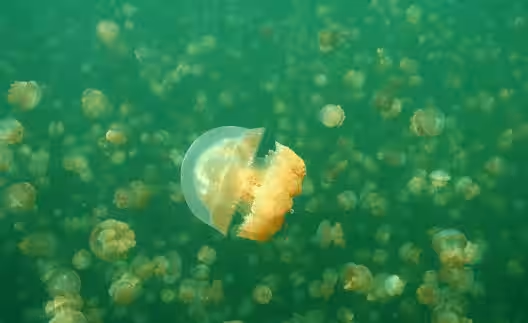
Each time the jellyfish glide through sunlit waters, they help the algae soak up light, and in return, the algae feed their hosts, quietly sustaining both the jellyfish and the lake itself in a delicate balance.
A Simple Partnership Driven By Sunlight
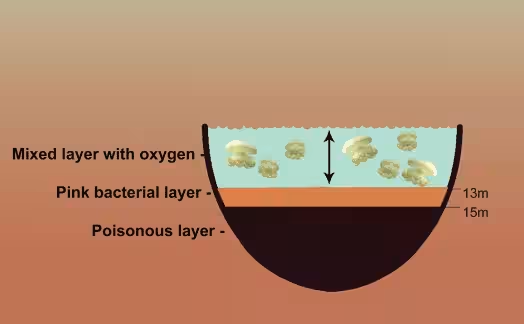
This symbiotic relationship between the jellyfish and algae is a testament to the incredible adaptability of life in Jellyfish Lake. The jellyfish and algae have a special and beneficial relationship, with the jellyfish rotating and swimming around the lake to ensure that the algae get enough sunlight for photosynthesis, and the algae giving the jellyfish some energy and nutrients in return.
A Population Shaped By Climate Shifts
According to the same source, although the lake typically holds around 5 million golden jellyfish, the population has fluctuated significantly over time. In 2005, estimates suggested there were as many as 30 million individuals. By 2016, the number had dropped sharply, leading to the temporary closure of the lake to visitors for two years.
Researchers have linked this decline to El Niño, which raised water temperatures and disrupted algae growth. With fewer algae available, the jellyfish lost an important source of nutrients, contributing to the population drop. As environmental conditions improved, the ecosystem gradually recovered.
By 2019, the number of jellyfish had returned to the millions, allowing the lake to reopen. Alongside the golden jellyfish, moon jellyfish, also inhabit the lake, though they are far less numerous.
This article has been fact checked for accuracy, with information verified against reputable sources. Learn more about us and our editorial process.
Last reviewed on .
Article history
- Latest version
Reference(s)
- “Fifth Lake.” Smithsonian American Art Museum <https://americanart.si.edu/artwork/fifth-lake-19283>.
- “Jellyfish Lake - Coral Reef Research Foundation.”, March 31, 2017 Coral Reef Research Foundation <https://coralreefpalau.org/research/marine-lakes/jellyfish-lake/>.
- “The President – PalauGov.pw.” <https://www.palaugov.pw/executive-branch/president/>.
- “El Nino Theme Page - A comprehensive Resource.”, June 30, 2025 <https://www.pmel.noaa.gov/elnino/>.
Cite this page:
- Posted by Linda Wilson