Dairy Ewes Reveal Surprising Metabolic Remodeling Across The Transition To Motherhood
Comprehensive blood profiling reveals that dairy sheep undergo extensive lipid and mineral shifts rather than severe energy deficits after giving birth.
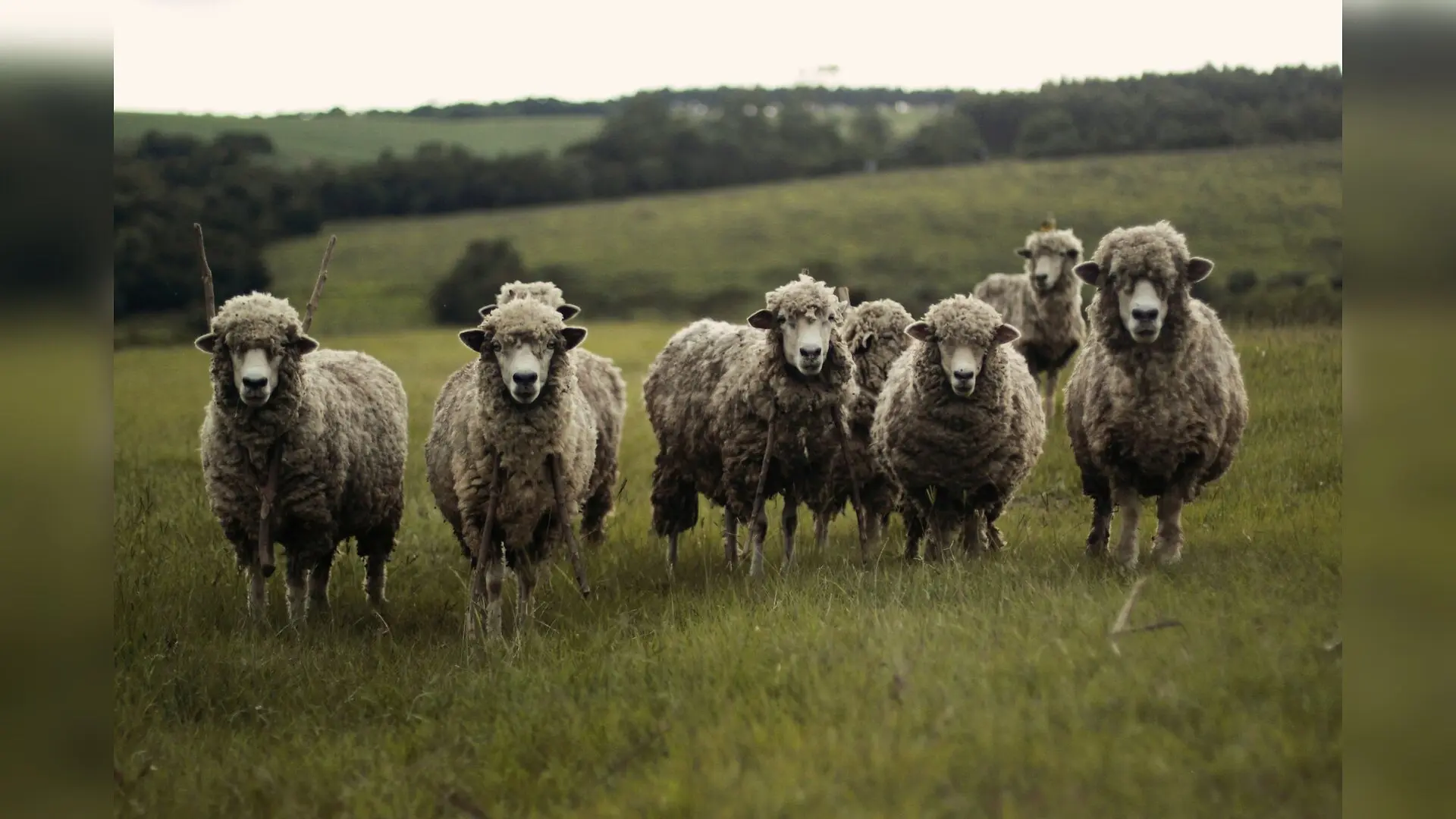
Dairy ewes undergo a profound biochemical and molecular transformation around the time they give birth, shifting their cellular profiles and lipid networks to support the sudden onset of lactation. A team of researchers led by Fei Li at Lanzhou University investigated how the blood plasma of 10 healthy crossbred dairy ewes changed between late gestation, specifically 21 days before giving birth, and early postpartum, just one day after delivery. Their findings, published in Archives Animal Breeding, reveal that rather than suffering from severe energy deficits, these animals experience a highly organized remodeling of fat-related molecules and cellular building blocks.
How Do Blood Chemistry And Mineral Levels Shift After Birth In Ewes?
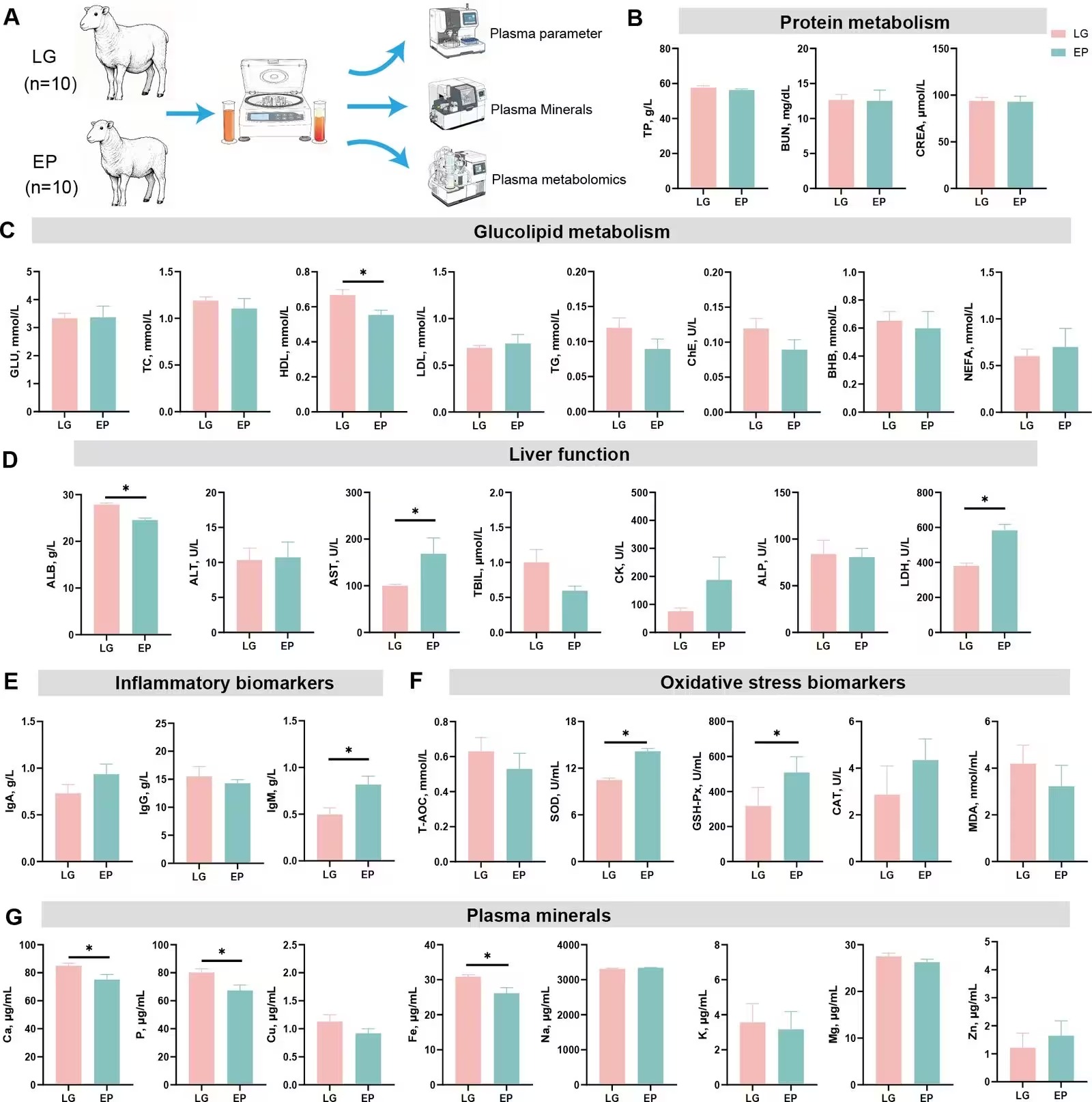
To understand the physiological toll of childbirth and nursing, the researchers tracked standard blood indicators, mineral concentrations, and immune markers in the same 10 animals across both time points. While traditional measures of protein metabolism such as total protein, blood urea nitrogen, and creatinine remained completely steady, several vital minerals dropped significantly. Calcium concentrations, phosphorus levels, and iron content all decreased markedly during the early postpartum period compared to late gestation. These drops align with the massive mineral demands required to produce nutrient-rich colostrum and initiate milk secretion.
At the same time, indicators linked to liver function and antioxidant defense told a nuanced story. Levels of albumin, a key blood protein made by the liver, declined after birth, while the activities of liver-associated enzymes like aspartate aminotransferase and lactate dehydrogenase increased. Interestingly, other liver enzymes and total bilirubin stayed completely normal, suggesting the enzymatic shifts reflect a healthy physiological adaptation to the metabolic workload of nursing rather than actual liver damage. Meanwhile, immune and antioxidant metrics showed clear changes, with immunoglobulin M concentrations climbing alongside higher activities of protective antioxidant enzymes like superoxide dismutase and glutathione peroxidase.
What Does Untargeted Metabolomics Reveal About Lipid Remodeling?
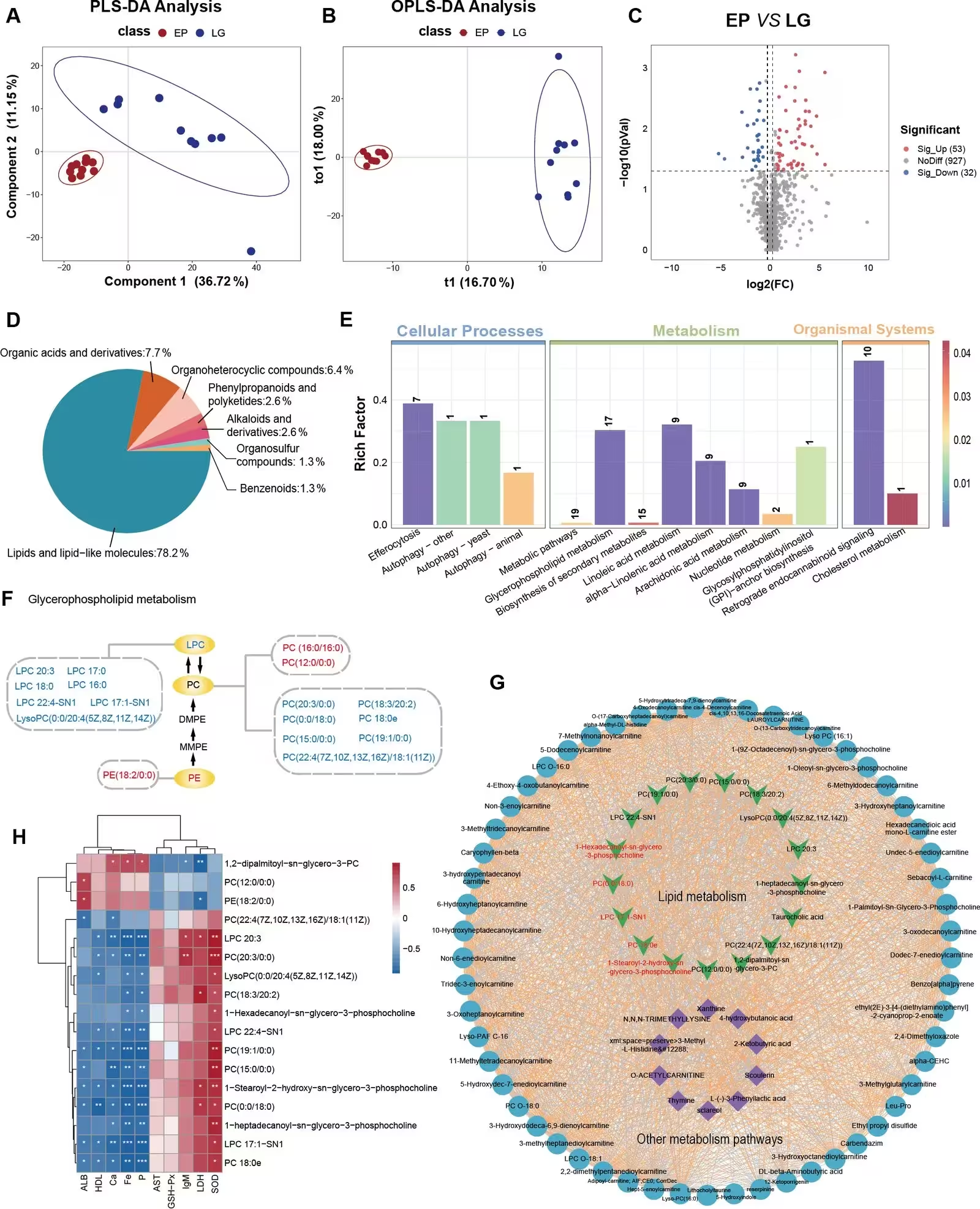
To go beyond standard blood tests, the team applied an advanced analytical technique known as untargeted metabolomics, screening over a thousand distinct chemical features in the blood plasma. The analysis pinpointed 85 differential metabolites that shifted significantly between late pregnancy and the day after birth. Out of these changing compounds, a striking 78 percent belonged to lipids and lipid-like molecules. This lipid dominance demonstrates that fat metabolism undergoes a massive structural makeover as the ewes transition from carrying lambs to producing milk.
Within this lipid category, the researchers found that glycerophospholipid metabolism was the most heavily affected pathway, involving 17 different differential metabolites. Specifically, molecules known as lysophosphatidylcholines generally decreased in abundance, whereas phosphatidylethanolamines increased. Furthermore, a specialized network analysis identified five key hub metabolites, including specific phosphatidylcholine and lysophosphatidylcholine variants, that tightly coordinated this lipid traffic. At the same time, metabolite set enrichment analysis showed a significant downregulation in the biosynthesis of unsaturated fatty acids, matching lower levels of beneficial compounds like arachidonic acid and docosahexaenoic acid in postpartum ewes.
Why Do These Metabolic Adaptations Matter For Animal Management?
In dairy cows, the start of lactation often triggers severe negative energy balance because feed intake cannot keep up with the extreme energy demands of milk production. However, the ewes in this study maintained stable glucose, non-esterified fatty acids, and beta-hydroxybutyrate levels, indicating they avoided extreme energy deficiency. Instead of massive fat breakdown for emergency fuel, their bodies engaged in a qualitative remodeling of how lipids are transported and utilized across cellular membranes.
The authors note that these findings provide valuable baseline biomarkers for monitoring the health and nutritional status of dairy sheep during their most vulnerable weeks. Because the study focused on 10 carefully selected twin-bearing ewes sampled right at the start of lactation, the researchers emphasize that these exploratory results should be validated in larger, independent animal populations. Future nutritional strategies could potentially target these specific glycerophospholipid pathways to improve animal welfare and productivity during the transition phase.
The research was published in Archives animal breeding on November 18, 2026.
This article has been fact checked for accuracy, with information verified against reputable sources. Learn more about us and our editorial process.
Last reviewed on .
Article history
- Latest version
Reference(s)
- Jiao, Shuai., et al. “Metabolic adaptations from late gestation to early postpartum in dairy sheep: integration of plasma biochemistry and untargeted metabolomics.” Archives Animal Breeding, vol. 69, no. 4, November 18, 2026, pp. 681-694. Copernicus GmbH, doi: 10.5194/aab-69-681-2026. <https://doi.org/10.5194/aab-69-681-2026>.
Cite this page:
- Posted by Omar Mirza