Chinese Jujube Habitats Set to Shift 500 Kilometers North Due to Climate Change
Advanced climate modeling reveals that traditional farming zones will face southern losses while potential northwestern expansions depend heavily on intensive irrigation.
A cornerstone economic tree species in China with a 7,000-year cultivation history is facing a sweeping geographic redistribution as global temperatures rise. Researchers mapped out the future of Ziziphus jujuba, commonly known as the Chinese jujube, to understand how climate change will reshape its survival across the country.
How a Tuned Computer Model Tracks Climate Suitability
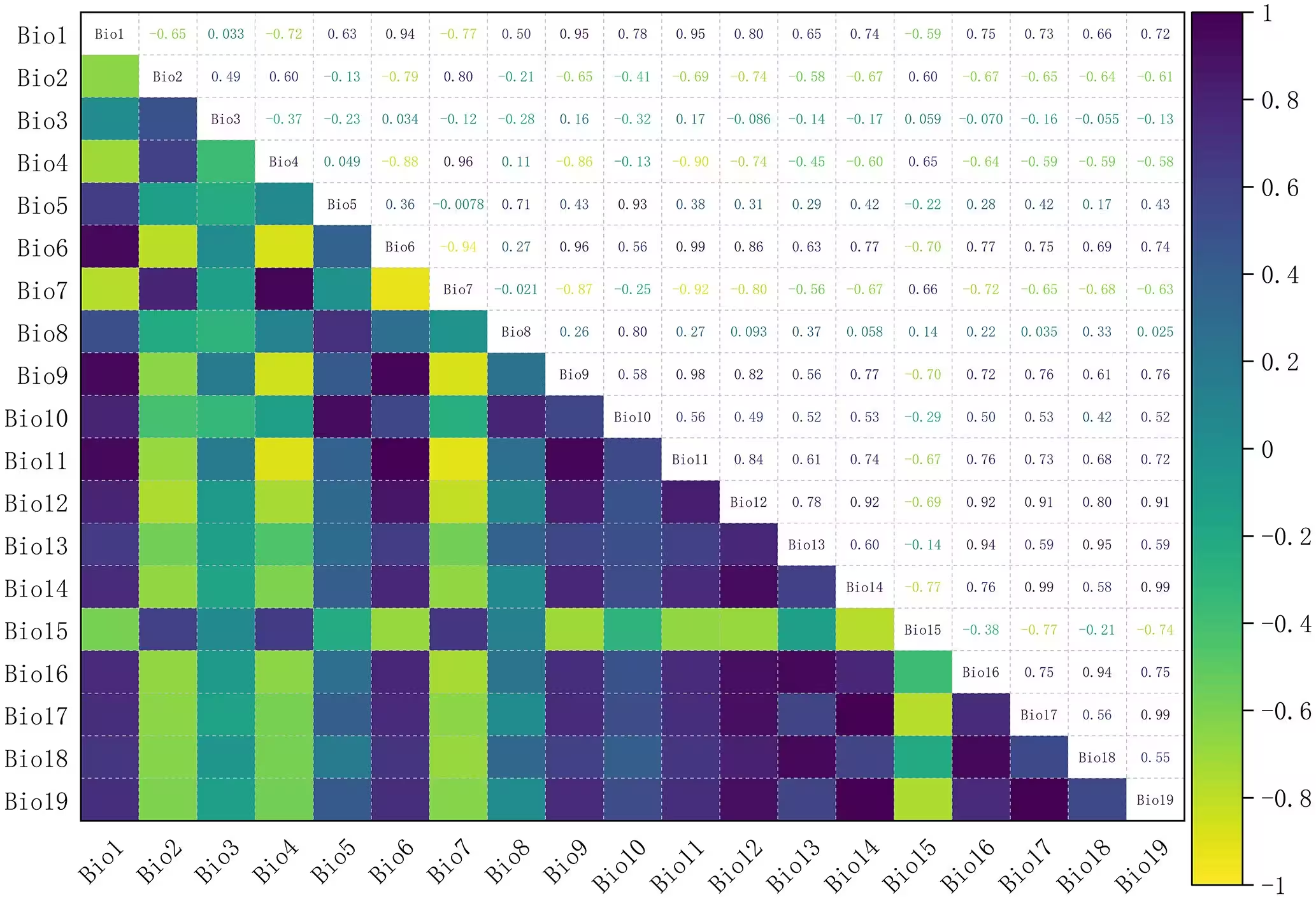
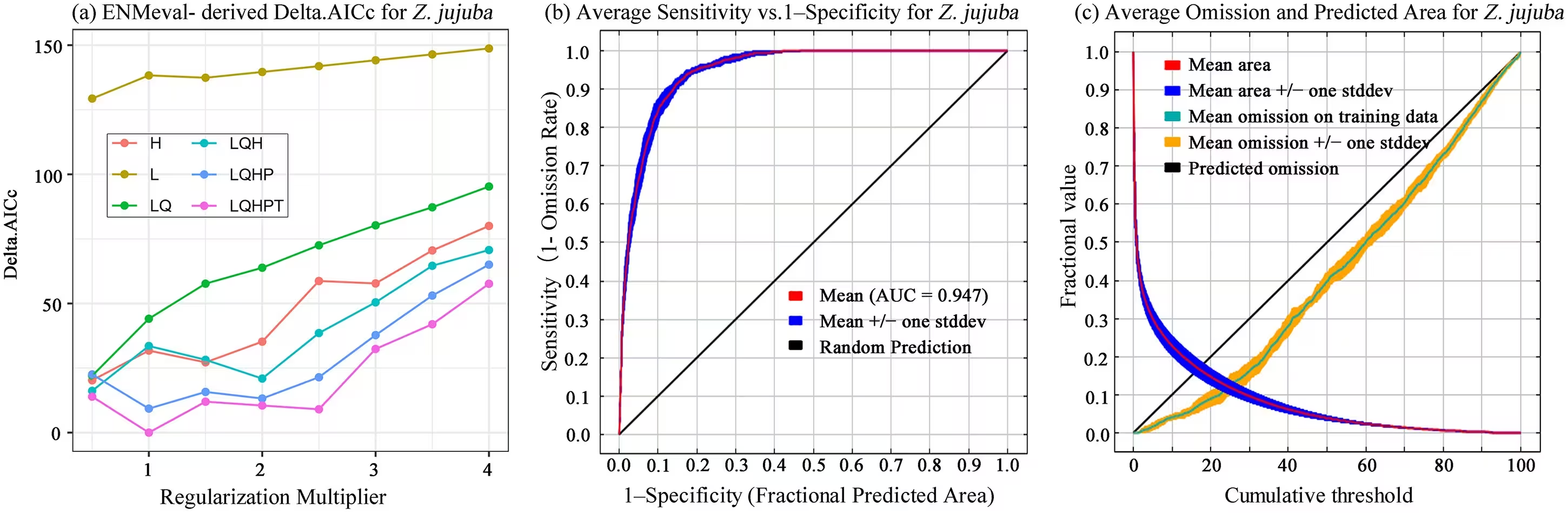
To forecast where the trees will thrive in the coming decades, the study integrated 312 spatially independent species occurrence records with 19 bioclimatic variables. The team employed a parameter-tuned Maximum Entropy model, commonly known as MaxEnt, which is a widely used machine learning method for predicting species distributions. By adjusting specific settings, the researchers lowered the complexity and achieved an exceptional predictive accuracy score, with an area under the curve value of 0.947. The detailed methodology and findings are published in PLOS One, offering a rigorous look at how perennial crops respond to shifting environmental pressures.
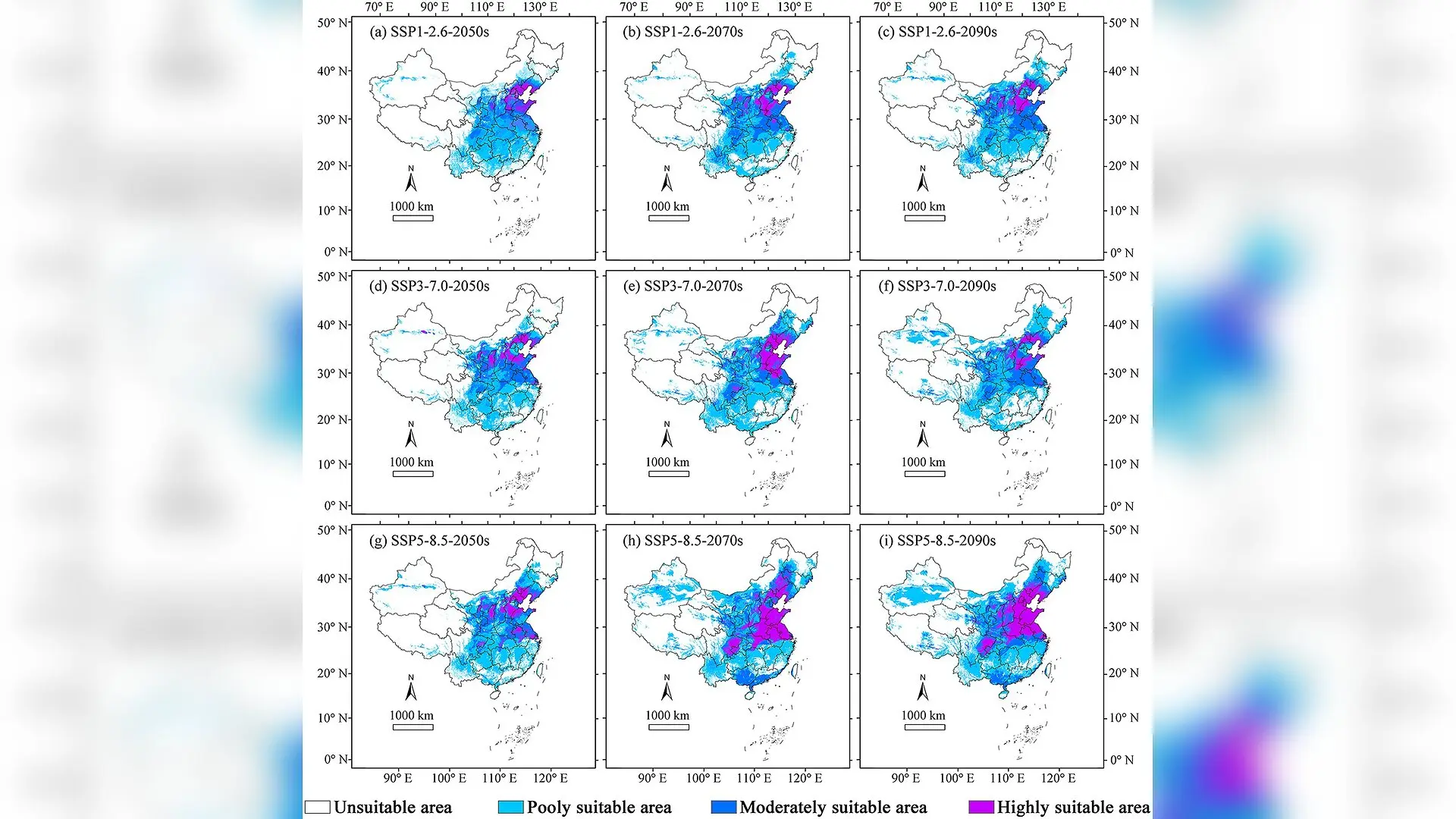
The projections evaluated three shared socioeconomic pathways from the latest climate modeling frameworks, covering mild, medium, and severe carbon emission scenarios across three future time periods: the 2050s, 2070s, and 2090s. The model also accounted for key variables such as annual mean temperature, precipitation seasonality, and temperature seasonality, which together regulate more than 88 percent of the species’ climatic suitability.
Where the Core Habitats Will Hold Firm and Where They Will Shrink
The analysis reveals that the total potential climatically suitable area for the Chinese jujube spans approximately 2.88 million square kilometers today. Highly suitable zones currently concentrate in the Bohai Rim region, including Hebei Province, eastern Shandong Province, Beijing, Tianjin, and southern Liaoning Province. Under future scenarios, the core stable areas in the North China Plain are projected to remain remarkably resilient, maintaining more than 86 percent of their current suitable range across all tested emission levels.
However, the southern margins of the distribution face considerable pressure. In regions like the middle and lower reaches of the Yangtze River, warming winter temperatures may fail to satisfy the chilling requirements needed for proper dormancy, while intense summer heatwaves and seasonal droughts exceed the physiological tolerance of the trees. Under the highest carbon emission scenario, projected losses in these southern zones could reach up to 20 percent by the 2070s.
The 500-Kilometer Northwest Shift and Its Hidden Catch
As the southern edges contract, the model shows potential expansion zones pushing deep into the arid and semi-arid regions of northwest China, mirroring the warming and humidification trends predicted for those areas. This environmental shift drives a dramatic northward and westward migration of the suitability centroid. Under the most severe emission pathway, the geographic center of the suitable habitat shifts by an astonishing 504.67 kilometers by the 2090s, moving from Hubei Province all the way to Shaanxi Province.
Yet, the authors caution that climatic suitability does not equal agricultural viability. The newly predicted expansion zones in the northwest face severe soil and hydrological constraints, including widespread soil salinisation and acute water scarcity. Without heavy irrigation infrastructure and active soil amelioration, these regions cannot support jujube farming. The researchers emphasize that these northwest zones should be interpreted as areas where cultivation might become climatically possible only under intensive management, rather than immediate recommendations for agricultural expansion.
The research was published in PLOS One on November 18, 2026.
This article has been fact checked for accuracy, with information verified against reputable sources. Learn more about us and our editorial process.
Last reviewed on .
Article history
- Latest version
Cite this page:
- Posted by Omar Mirza