Deworming Drug Protects Bone Health by Stopping Cancer-Driven Destruction
Computational screening and animal models reveal that oxfendazole targets the ZNF530-ANXA2 axis to suppress destructive osteoclasts in osteosarcoma.
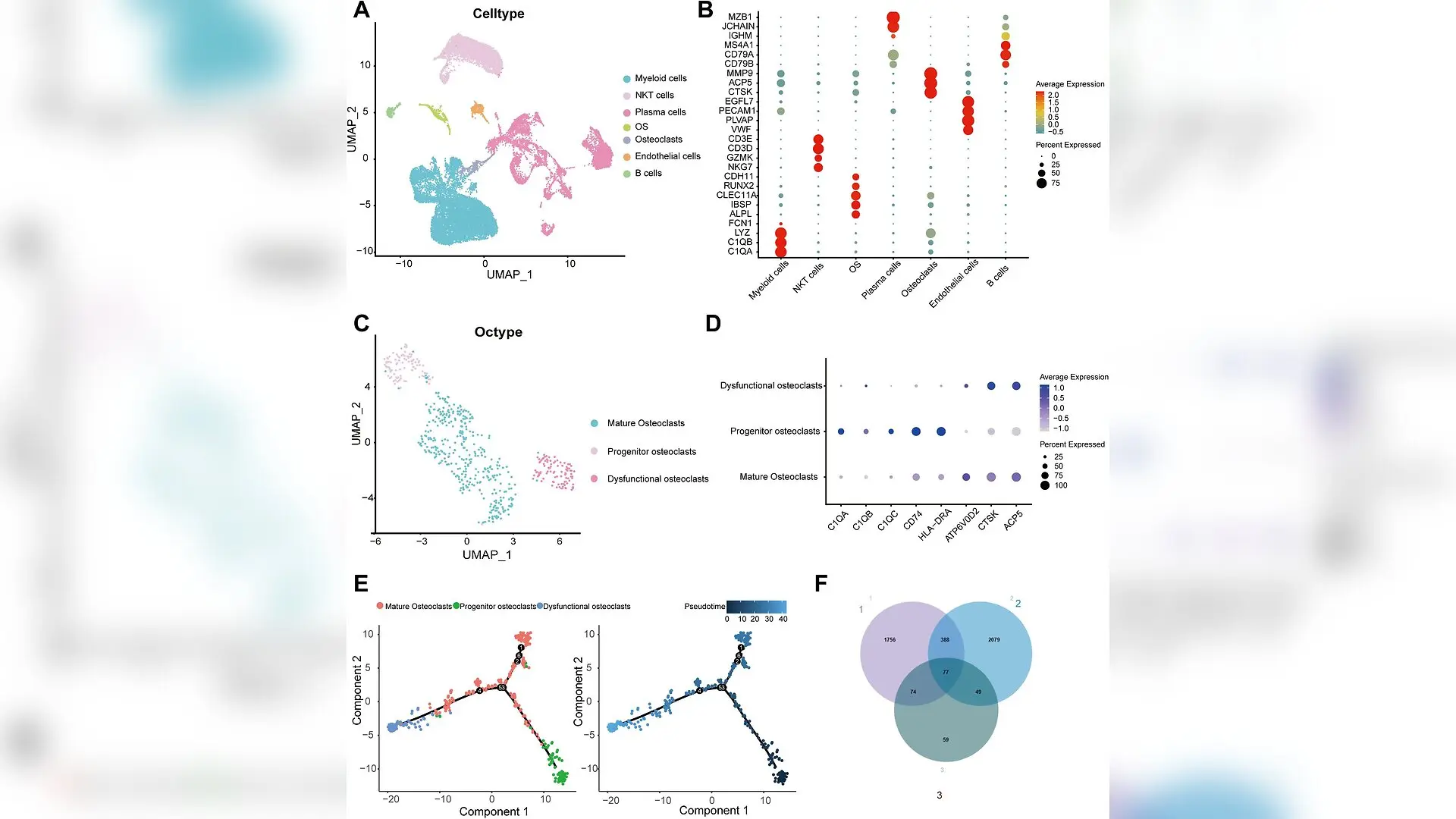
An inexpensive veterinary deworming medication called oxfendazole could potentially protect adolescent bone health by stopping the aggressive tissue destruction caused by osteosarcoma, a common bone cancer. Researchers discovered that this existing drug shuts down bone-erroding cells by targeting a specific protein pathway in the tumor microenvironment.
Single-Cell Mapping Reveals How Bone Destruction Happens
Osteosarcoma is a fast-growing malignant bone tumor that mostly strikes teenagers and young adults. One of its most dangerous traits is the severe bone destruction it triggers, which breaks down skeletal architecture and fuels tumor growth while raising the risk of broken bones. Traditional bone-protecting drugs like bisphosphonates often fail in these cases and can even worsen lung metastasis in animal models. To find better options, a team of researchers analyzed single-cell RNA sequencing data from six human osteosarcoma samples sourced from public databases to map the cellular interactions driving this localized bone loss.
The single-cell analysis, published in PLOS Computational Biology, broke down twenty-nine thousand cells into major functional groups. The team focused closely on osteoclasts, which are the specialized cells responsible for breaking down bone tissue. Within this group, they identified precursors, mature cells, and dysfunctional osteoclasts, mapping out a clear developmental trajectory that showed how these bone-destroying cells differentiate under the influence of neighboring tumor cells.
Screening Candidate Drugs Using Advanced Computational Platforms
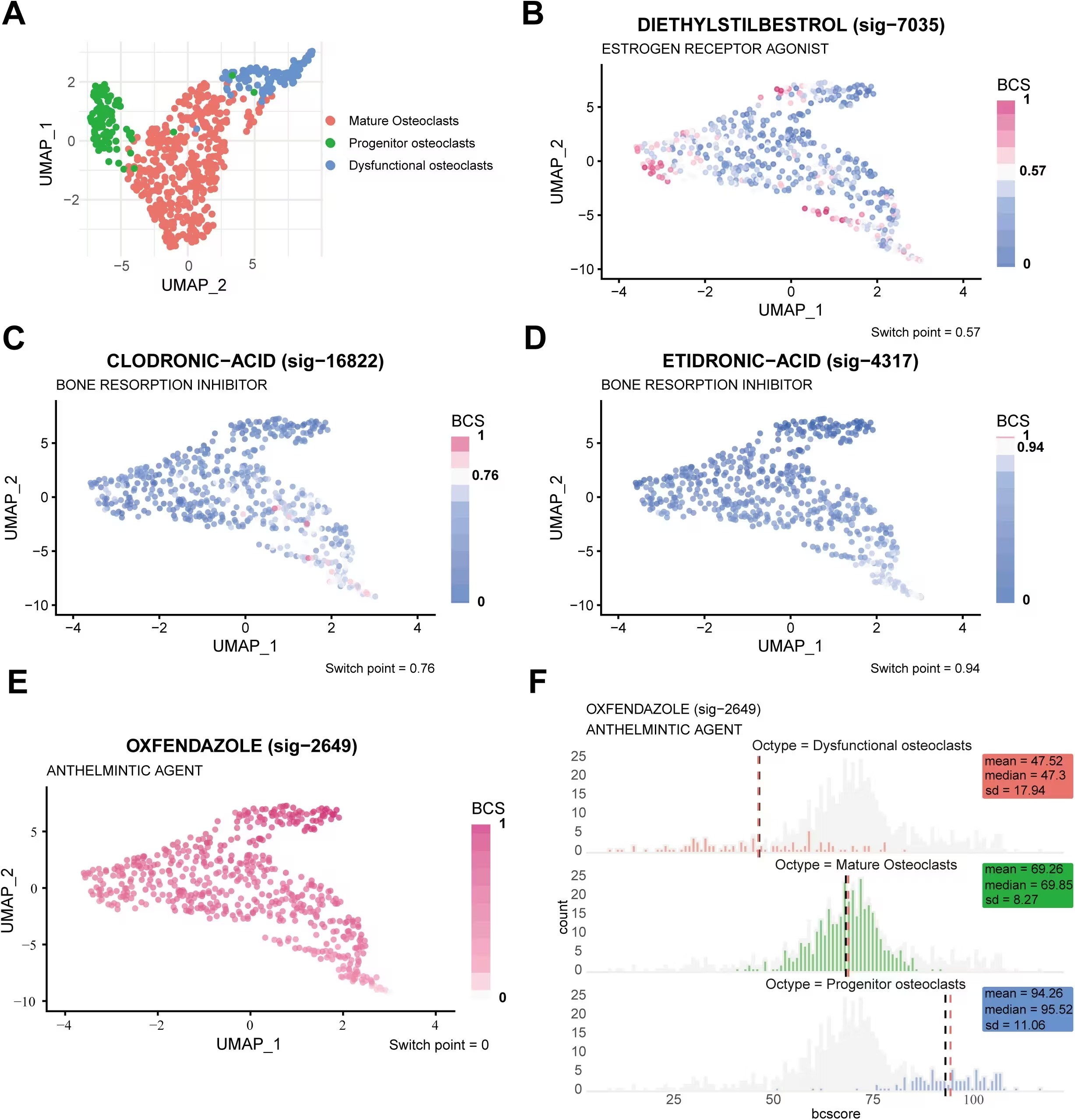
Using a drug-sensitivity screening platform known as Beyondcell, the authors evaluated how different pharmaceutical agents might affect these tumor-associated bone cells. While standard anti-osteoclast medications showed limited effectiveness in the tumor microenvironment, the analysis flagged oxfendazole as a promising candidate. Further intersection with genes tied to osteoclast maturation pointed directly to ANXA2, a calcium-dependent protein linked to cell membrane dynamics and bone resorption, as the key molecular target.
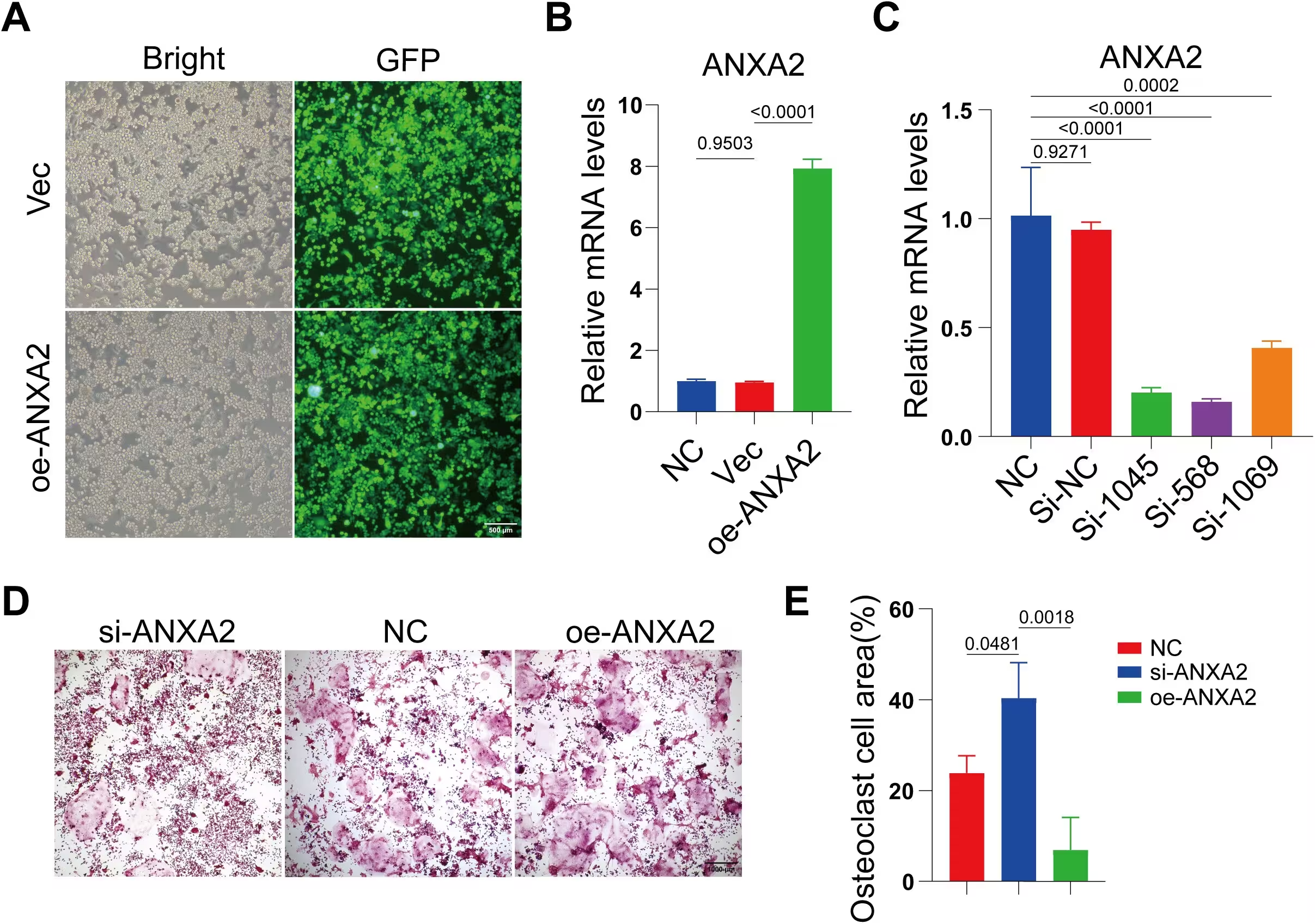
To verify these computational predictions, the investigators performed in vitro tests using RAW264.7 precursor cells. Overexpressing ANXA2 drove up osteoclast formation, while silencing it or adding oxfendazole cut the formation rate down significantly. Co-culturing the precursor cells with K7M2 osteosarcoma cells normally boosted bone-resorbing cell numbers, but adding oxfendazole reversed that spike. Rescue experiments confirmed that artificially boosting ANXA2 counteracted the protective, inhibitory effects of the drug.
Animal Tests and Molecular Dynamics Simulations Show Tissue Preservation
The research team tested the drug in an orthotopic mouse model by injecting human osteosarcoma cells into the tibial bone marrow cavity of four-week-old nude mice. After two weeks of oral oxfendazole administration, micro-computed tomography scans showed that treated animals experienced significantly better preservation of bone volume and bone volume fraction around the tibial plateau compared to untreated controls. Tartrate-resistant acid phosphatase staining confirmed that the drug-treated group had far fewer bone-resorbing cells in their tumor tissues.
To understand how oxfendazole regulates ANXA2, the scientists ran molecular docking and dynamics simulations involving the top ten transcription factors predicted to bind to the ANXA2 promoter. The transcription factor ZNF530 showed the lowest binding energy with oxfendazole at minus 6.8 kilocalories per mole. One-hundred-nanosecond molecular dynamics simulations demonstrated stable conformational behavior for the resulting protein-drug complex. Subsequent Western blot assays showed that knocking down ZNF530 lowered ANXA2 levels, while overexpressing ZNF530 bypassed the suppressive effects of oxfendazole, indicating that the drug acts through this regulatory axis.
The authors noted important limitations in their work, including the use of murine models alongside human discovery data, which means species differences in promoter architecture require caution before clinical translation. Furthermore, the small sample size in the micro-CT scans calls for larger validation studies. Nonetheless, the findings point to oxfendazole as a viable repurposing candidate for protecting skeletal integrity when combined with standard chemotherapy.
The research was published in PLOS Computational Biology on November 17, 2026.
This article has been fact checked for accuracy, with information verified against reputable sources. Learn more about us and our editorial process.
Last reviewed on .
Article history
- Latest version
Reference(s)
- Miao, Jifeng., et al. “Exploring the mechanism of oxfendazole in inhibiting osteosarcoma-induced osteolysis based on single-cell RNA seqsuencing.” PLOS Computational Biology, vol. 22, no. 11, November 17, 2026, pp. e1014828 Public Library of Science (PLoS), doi: 10.1371/journal.pcbi.1014828. <https://doi.org/10.1371/journal.pcbi.1014828>.
Cite this page:
- Posted by Elizabeth Taylor