High Rates of Multi-Condition Disease Linked to Obesity in Ghana
A hospital study reveals that over 80 percent of Ghanaian clinic attendees face multiple cardiometabolic conditions, driven largely by modifiable lifestyle factors rather than genetics.

A study of 203 adults attending specialist hospital clinics in Cape Coast, Ghana, reveals that over 80 percent of patients live with cardiometabolic multimorbidity, meaning they simultaneously manage two or more interconnected health conditions such as type 2 diabetes, high blood pressure, metabolic syndrome, and chronic kidney disease.
The research, published in PLOS One, highlights that modifiable lifestyle and clinical factors, particularly obesity, drive the vast majority of this heavy health burden in the region. The team set out to investigate how clinical, lifestyle, and genetic factors interact among individuals of African ancestry, where data on multi-condition health crises remain scarce.
What is Driving the Multi-Condition Crisis in Ghanaian Clinic Attendees?
Led by Cyril E. K. Gavor-Kwashi and colleagues from Cape Coast Teaching Hospital and other institutions, the cross-sectional study took place between May 2023 and April 2024. The investigators evaluated participants with an average age well into their sixties, noting that nearly three-quarters of the cohort were women. Most patients reported living with both diabetes and hypertension for a decade or longer.
Despite more than 90 percent of participants taking prescribed medications for high blood pressure and elevated blood sugar, the researchers observed widespread poor disease control. Over two-thirds of the patients met the criteria for metabolic syndrome, a cluster of risk factors including central obesity, abnormal lipid levels, and high blood glucose that severely raises the risk of heart disease and stroke.
How Obesity Affects Kidney Health in the Study Group
Among the various clinical and anthropometric factors analyzed, excess body weight emerged as the most consistent independent predictor of chronic kidney disease. Patients classified with Class I and Class II obesity faced roughly seven to eight times higher odds of renal dysfunction compared to those with a normal body mass index. This finding underscores the damaging physiological toll that excess visceral fat and chronic inflammation exact on vital organs over time.
Interestingly, the investigators found that standard lifestyle factors alone accounted for a large portion of the predictive power when assessing individual disease outcomes. Traditional risk measures provided much sharper risk stratification than any genetic profile tested in the cohort.
Can Candidate Genes Explain the High Rates of Cardiometabolic Disease?
The team also analyzed specific candidate genetic variants known to influence metabolic traits, including variations in the TCF7L2, AGT, ACE, LEPR, ADRB3, KCNJ11, and PPARG genes, alongside APOL1 high-risk genotypes. While a variant in the TCF7L2 gene showed a nominal association with hypertension, and certain renin-angiotensin system variants hinted at links with diabetes outcomes, the overall genetic contribution was limited.
Notably, high-risk APOL1 genotypes, which are frequently linked to kidney disease in populations of African ancestry, did not demonstrate consistent associations with chronic kidney disease in this specific group. The researchers suggest this unexpected result stems from the small sample size, the use of a single creatinine test without long-term follow-up for kidney function, and the specific clinic-based makeup of the participants.
What the Predictive Models Reveal About Patient Care
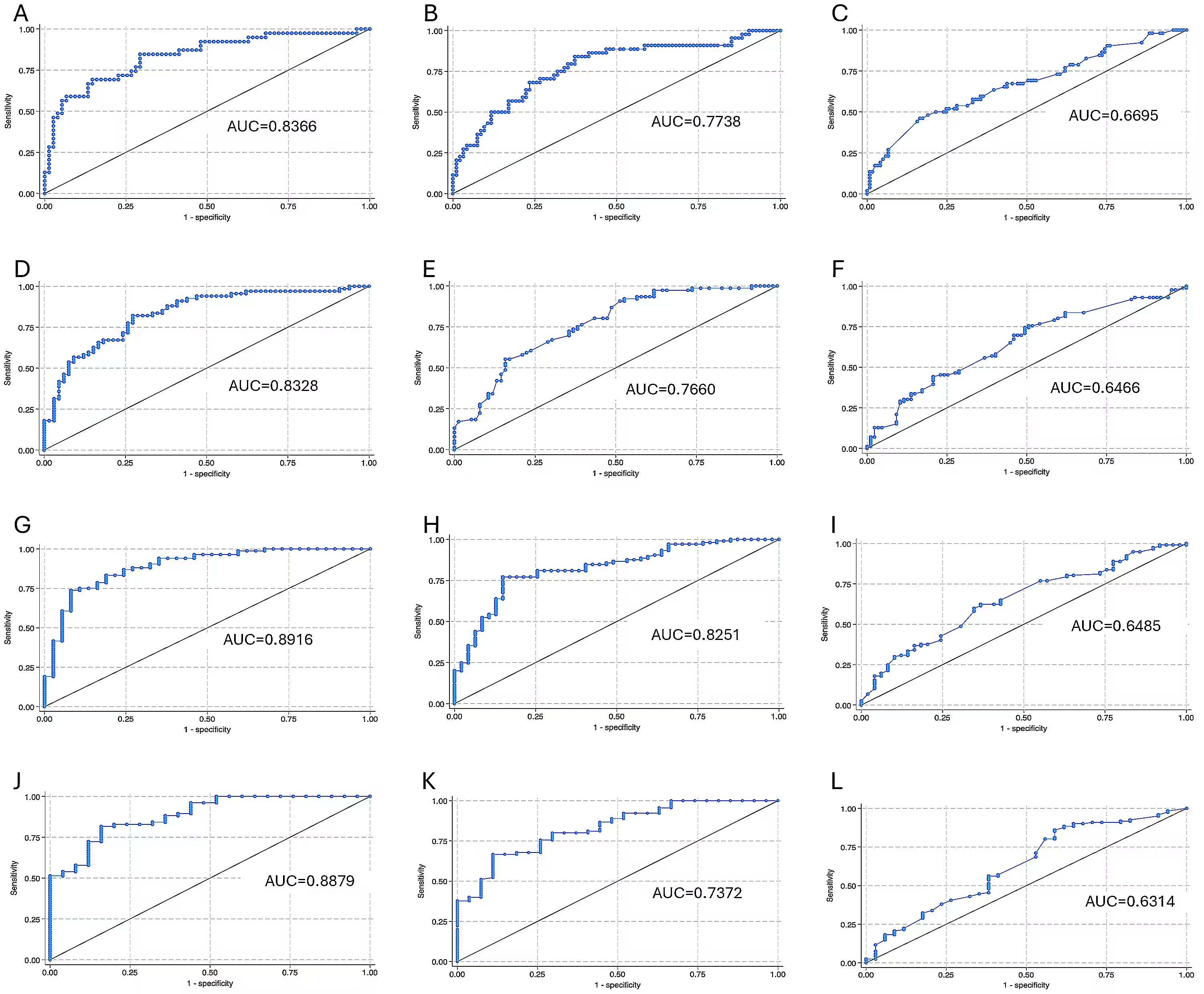
To compare the value of different risk indicators, the team built receiver operating characteristic curves to evaluate how well clinical, lifestyle, and genetic models predicted patient outcomes. Models that combined clinical and lifestyle factors achieved high discriminatory performance, with area under the curve values ranging from 0.76 to 0.83. Adding genetic variants provided only a modest, incremental improvement.
In contrast, models built entirely on genetic variants showed poor predictive accuracy, performing only slightly better than random chance. The authors emphasize that these results point to the urgent need for integrated care models that prioritize weight reduction, structured physical activity, better blood pressure monitoring, and enhanced medication adherence over genetic screening.
What Are the Limitations and Next Steps for African Genomic Studies?
The authors acknowledge several important limitations that call for caution. The hospital-based design means the participants represent a sicker, older population with advanced disease, limiting how widely these findings apply to the general public in Ghana. Furthermore, the modest sample size of 203 individuals left the genetic association analyses underpowered for rare variants, resulting in wide confidence intervals.
Because the team evaluated multiple candidate genes without formal statistical adjustments for multiple comparisons, the genetic findings are strictly exploratory. The researchers stress that future genomic research must expand into larger, population-representative African cohorts to discover population-specific loci and build clinically useful risk scores. In the near term, healthcare providers in the region should focus public health resources on managing modifiable risks like obesity and hypertension to curb the rising tide of cardiometabolic multimorbidity.
The research was published in PLOS One on November 17, 2026.
This article has been fact checked for accuracy, with information verified against reputable sources. Learn more about us and our editorial process.
Last reviewed on .
Article history
- Latest version
Reference(s)
- Gavor-Kwashi, Cyril E. K.., et al. “Cardiometabolic multimorbidity and associated clinical, lifestyle and genetic factors among Ghanaian patients.” PLOS One, vol. 21, no. 11, November 17, 2026, pp. e0362848 Public Library of Science (PLoS), doi: 10.1371/journal.pone.0362848. <https://doi.org/10.1371/journal.pone.0362848>.
Cite this page:
- Posted by Faisal Qureshi