Brain Drainage Tube Infections Affect Six Percent of Stroke and Trauma Patients
A nationwide hospital study reveals stable infection rates and links brain device risks to overall institutional hygiene.
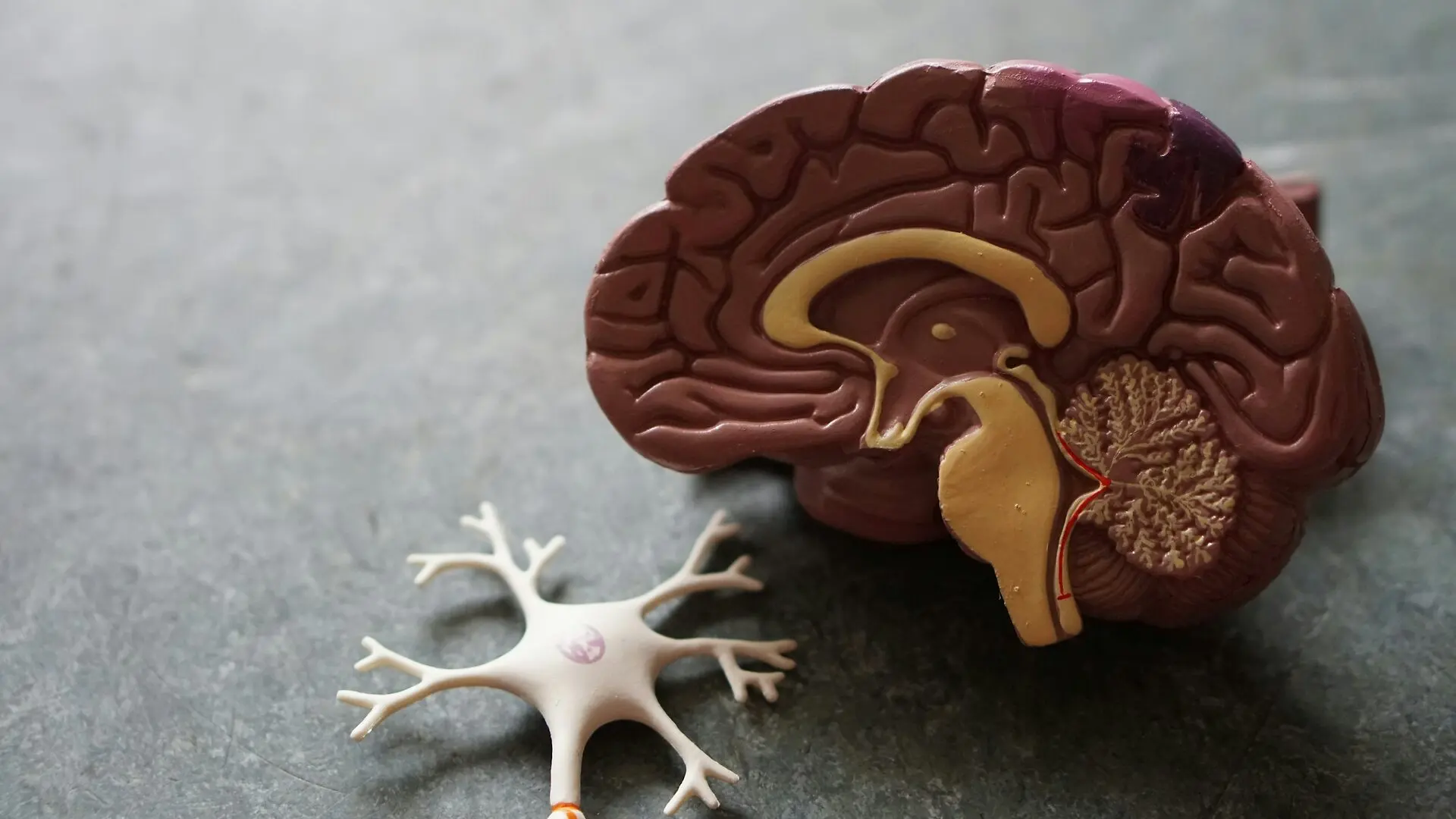
Adults recovering from severe brain injuries who require a fluid-draining tube in the head face an overall infection rate of about six percent, according to a large multicenter US study. The retrospective analysis examined medical records from 340 hospitals to understand how often ventriculostomy-related infections occur and what patient and hospital factors drive the risk.
The research team analyzed data from 26,988 adult patients who underwent ventriculostomy placement after suffering acute ischemic stroke, spontaneous subarachnoid hemorrhage, spontaneous intracerebral hemorrhage, or traumatic brain injury between 2019 and 2024. Ventriculostomy involves inserting a thin catheter into the brain’s fluid-filled cavities to monitor intracranial pressure or drain cerebrospinal fluid. While lifesaving, the procedure carries the risk of introducing bacteria that can cause serious central nervous system infections.
The findings were published in PLOS One by researchers investigating the epidemiology of these device-related complications in the post-guideline era. The study evaluated whether national evidence-based care guidelines introduced in 2016 and 2017 had successfully reduced infection rates across different medical centers.
Which Patients Face the Highest Risk of Infection?
The analysis revealed that overall infection rates hovered near 6 percent across the four major diagnostic groups, specifically reaching 5.8 percent for acute ischemic stroke, 6.3 percent for spontaneous subarachnoid hemorrhage, 5.4 percent for spontaneous intracerebral hemorrhage, and 5.0 percent for traumatic brain injury. Patients with spontaneous subarachnoid hemorrhage consistently experienced the highest infection rates across multiple statistical models.
When looking at patient-level characteristics, age played a surprisingly protective role in the multivariable models. Patients aged 45 to 64 years, 65 to 79 years, and 80 years or older showed progressively lower odds of developing a ventriculostomy-related infection compared to younger adults aged 18 to 44 years. The authors note this pattern is likely related to higher early mortality rates and less aggressive clinical interventions among older cohorts, whereas younger patients often maintain devices longer and thus accumulate exposure time.
Conversely, underlying health complexity substantially increased vulnerability. Patients with a higher burden of pre-existing medical conditions, measured via the Elixhauser Comorbidity System, faced significantly elevated odds of infection. Needing mechanical ventilation, undergoing a craniotomy or craniectomy procedure, or developing a separate healthcare-associated infection outside of the brain device were also strong independent predictors of infection.

What Role Do Hospital Practices and Volume Play?
At the institutional level, the researchers evaluated whether large academic centers and high-volume hospitals performed better at preventing these complications. Interestingly, hospitals with higher annual ventriculostomy case volumes were more likely to exceed a 5 percent infection threshold, while larger hospital bed capacities showed lower odds of being classified as high-infection centers.
The authors suggest this counterintuitive volume pattern likely stems from referral bias. Major regional medical centers handle more complex, higher-acuity cases involving sicker patients who naturally carry higher baseline infection risks. Furthermore, larger academic institutions often maintain more rigorous surveillance programs that catch and record infections more thoroughly than smaller facilities.
The study also uncovered a powerful link between brain device infections and other hospital-acquired conditions. Patients who developed non-device infections, such as catheter-associated urinary tract infections, central line-associated bloodstream infections, ventilator-associated pneumonia, or Clostridium difficile colitis, had substantially higher odds of developing a brain device infection. Similarly, hospitals with higher overall rates of these other infections were more likely to fall into the high-infection category for ventriculostomies.
Have Infection Rates Dropped Over Time?
To determine if clinical care has improved since the release of standardized insertion guidelines, the research team examined quarterly trends across the 20-quarter study period. For most diagnostic categories, including stroke and subarachnoid hemorrhage, infection rates remained remarkably stable between 2019 and 2024. However, patients with traumatic brain injury exhibited a statistically significant upward trend in infection rates over the same timeframe.
The authors emphasize that the study relies on administrative billing and diagnosis codes rather than microbiological culture confirmation, which introduces potential misclassification bias. Additionally, the dataset lacked specific clinical details such as exact catheter types, dwell times, and bedside insertion techniques. Despite these limitations, the authors conclude that hospital quality leaders should consider integrating brain device surveillance into broader institutional infection control programs to target system-wide hygiene and safety practices.
The research was published in PLOS One on November 17, 2026.
This article has been fact checked for accuracy, with information verified against reputable sources. Learn more about us and our editorial process.
Last reviewed on .
Article history
- Latest version
Reference(s)
- Lele, Abhijit V.., et al. “Epidemiology of ventriculostomy-related infections after stroke and traumatic brain injury: A Vizient Database Study (2019–2024).” PLOS One, vol. 21, no. 11, November 17, 2026, pp. e0362962 Public Library of Science (PLoS), doi: 10.1371/journal.pone.0362962. <https://doi.org/10.1371/journal.pone.0362962>.
- Posted by Sana Malik