Routine Cancer Follow-Ups Miss Nearly Half of Curable Returns, Study Shows
Standard blood tests failed to flag a significant share of returning tumors, prompting calls for personalized patient monitoring.
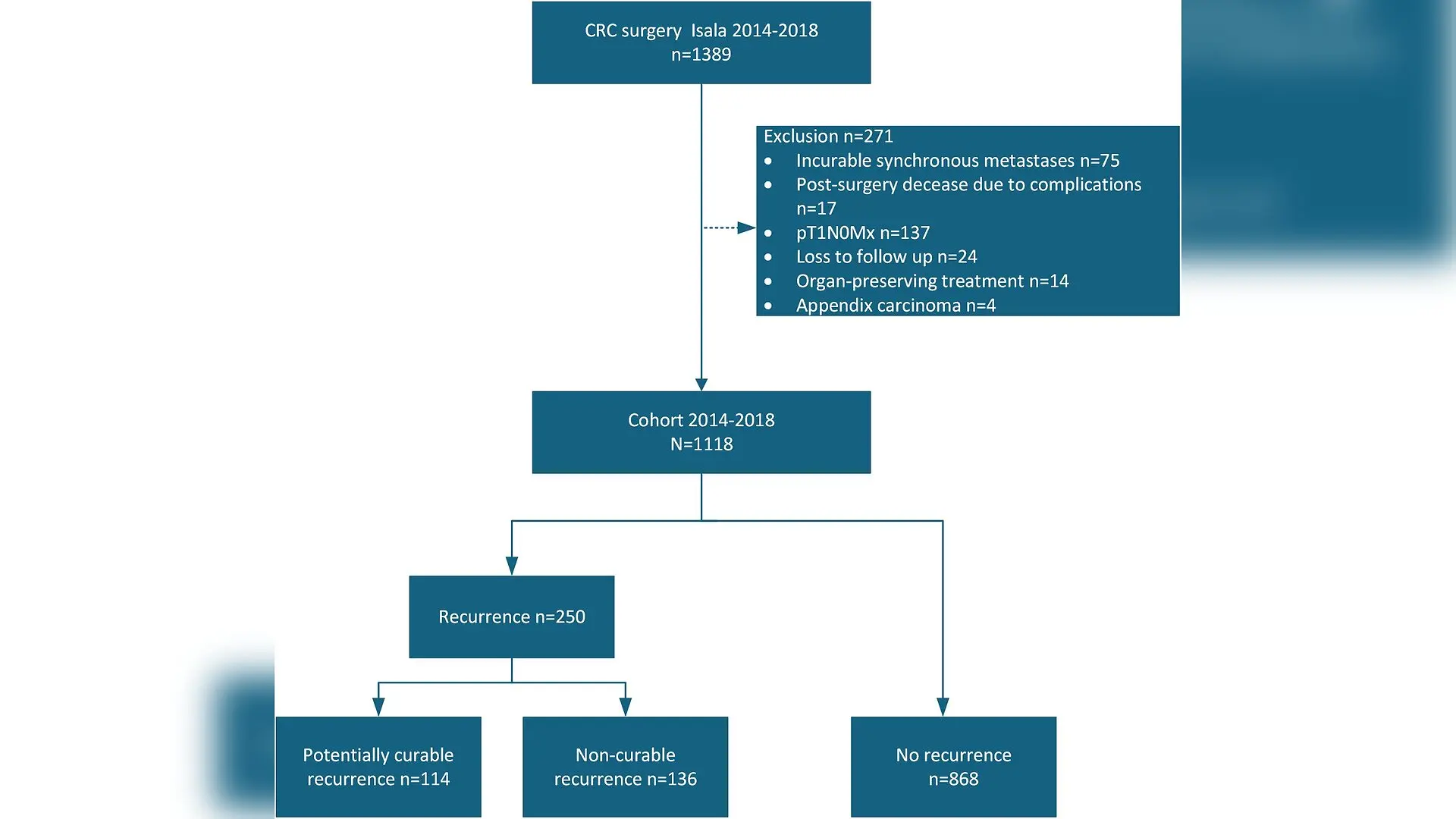
Routine medical check-ups catch treatable cancer returns in roughly 8 percent of colorectal cancer patients after surgery, but standard blood tests miss a significant share of cases. That is the key finding from a real-world study that tracked 1,118 patients treated at a Dutch medical center between 2014 and 2018.
While oncologists have long relied on standardized follow-up protocols to spot returning disease early, the effectiveness of these checks varies wildly depending on a patient’s initial cancer stage and tumor location. The retrospective analysis, published in PLOS One, highlights major blind spots in current surveillance strategies and suggests that a one-size-fits-all approach may subject low-risk patients to unnecessary anxiety and tests while missing opportunities in others.
Tracking 1,118 Patients Over Five Years
Colorectal cancer stands as the third most common cancer worldwide, leading to thousands of new diagnoses annually. Following successful surgery with curative intent, patients typically enter a five-year surveillance program involving blood tests, chest X-rays, liver ultrasounds, and periodic colonoscopies to catch returning tumors before symptoms appear.
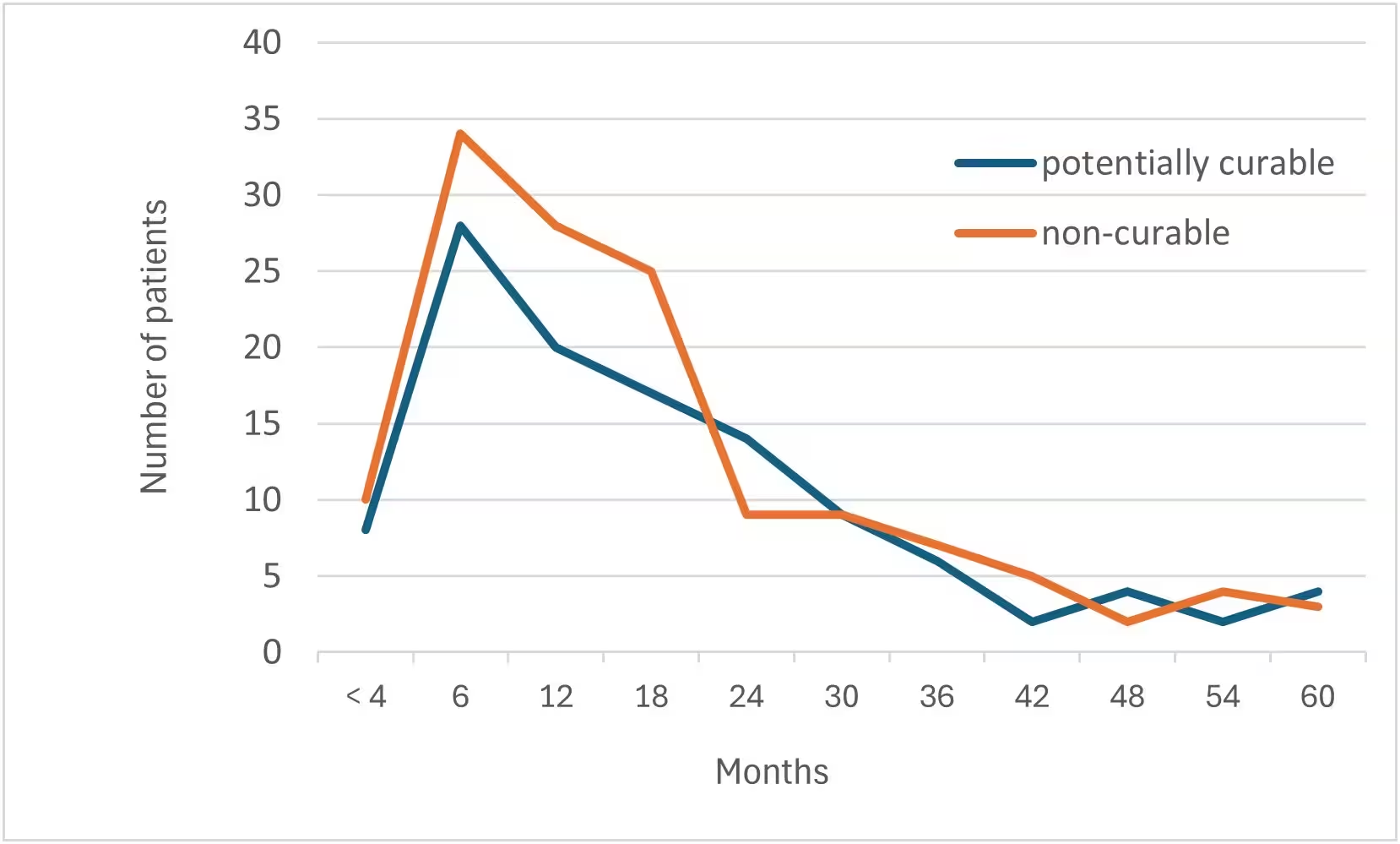
Led by researcher Ivonne J. H. Schoenaker and colleagues at Isala, a teaching hospital in the Netherlands, the team evaluated 1,118 adults who underwent curative-intent surgery for stage I through stage IV colorectal cancer. The investigators followed the cohort for 60 months, tracking who developed cancer recurrence, how doctors detected it, and whether the returning disease could still be treated with curative intent.
During the five-year tracking window, 250 patients, or 22.4 percent of the total group, experienced a cancer recurrence. Out of those cases, physicians classified 114 patients, representing 46 percent of recurrences, as having potentially curable disease suitable for further aggressive treatments like surgical removal, stereotactic ablative radiotherapy, or radiofrequency ablation.
The Hidden Flaws in Routine Blood Markers
A surprising finding centered on Carcino-Embryonic Antigen, commonly known as CEA, a blood protein marker that doctors routinely measure to spot returning tumors. The study revealed that 43 percent of patients with potentially curable recurrences had normal CEA levels below 5 nanograms per milliliter at the time their cancer returned.
Pulmonary recurrences, meaning cancer returning in the lungs, proved especially difficult to spot via blood work, with only 39 percent showing elevated CEA levels. Instead, imaging scans without any accompanying blood marker elevation detected 35 percent of potentially curable cases.
The authors note that standard guidelines relying heavily on blood work may miss treatable returns, particularly when tumors grow without triggering traditional biochemical warnings.
Who Benefits Most From Follow-Up Checks?
To determine how efficiently medical resources catch treatable cancer, the researchers calculated the number needed to follow-up, which measures how many patients doctors must monitor to detect one treatable recurrence. Across the entire group, that number stood at 9.8, meaning roughly ten patients require five years of monitoring to find one case of curable recurrence.
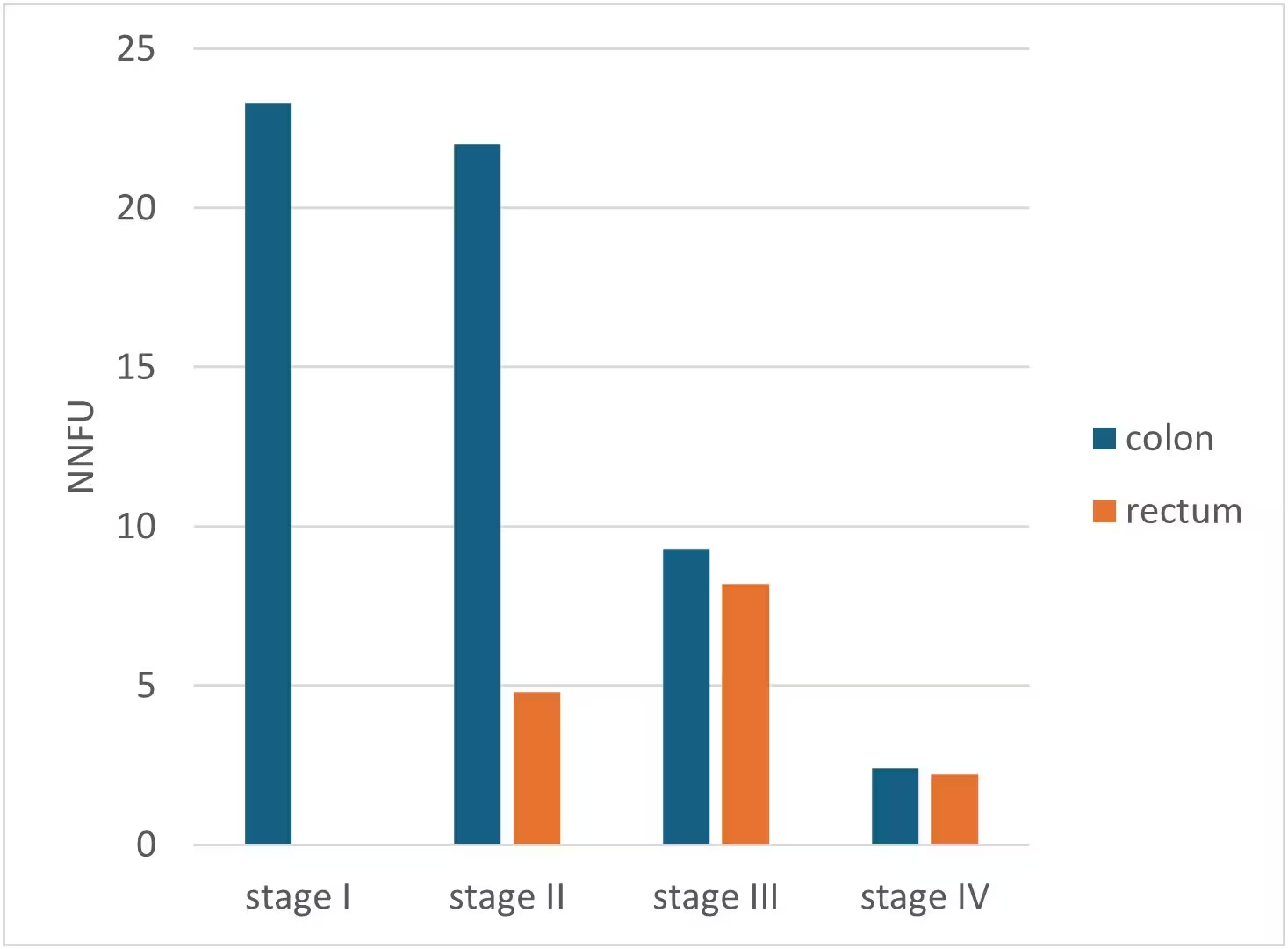
However, that figure shifted dramatically based on patient characteristics. Stage I patients faced an extremely low curable recurrence rate of 3 percent, yielding a high number needed to follow-up of 30.3. Conversely, stage IV patients who had earlier metastases treated successfully faced a 43 percent curable recurrence rate, dropping the monitoring requirement to just 2.3 patients.
Tumor location also mattered significantly. Right-sided colon cancer carried the highest monitoring burden at 13.7, while rectal cancer showed the lowest at 6.9, making rectal cancer surveillance substantially more efficient at catching treatable disease.
Statistical models also linked a higher chance of a curable recurrence to younger age, stage III and stage IV disease, and experiencing minor postoperative surgical complications, though the authors caution that complications likely reflect differences in patient monitoring intensity rather than a biological benefit.
The team emphasizes that their findings support moving away from uniform testing toward personalized, risk-adapted surveillance. By tailoring follow-up schedules to individual recurrence risks, healthcare systems can protect low-stage patients from unnecessary burdens while focusing resources where they save the most lives.
The research was published in PLOS One on October 30, 2026.
This article has been fact checked for accuracy, with information verified against reputable sources. Learn more about us and our editorial process.
Last reviewed on .
Article history
- Latest version
Reference(s)
- Schoenaker, Ivonne J. H.., et al. “Detection of potentially curable recurrence after colorectal cancer surgery in a real-world population.” PLOS One, vol. 21, no. 10, October 30, 2026, pp. e0361933 Public Library of Science (PLoS), doi: 10.1371/journal.pone.0361933. <https://doi.org/10.1371/journal.pone.0361933>.
Cite this page:
- Posted by Sana Malik