Digital Health Tools Show Promise for Chronic Disease But Evidence Lacks Rigor
A massive umbrella review of over 574,000 patients reveals moderate gains in medication adherence and blood sugar control, though quality concerns limit certainty.
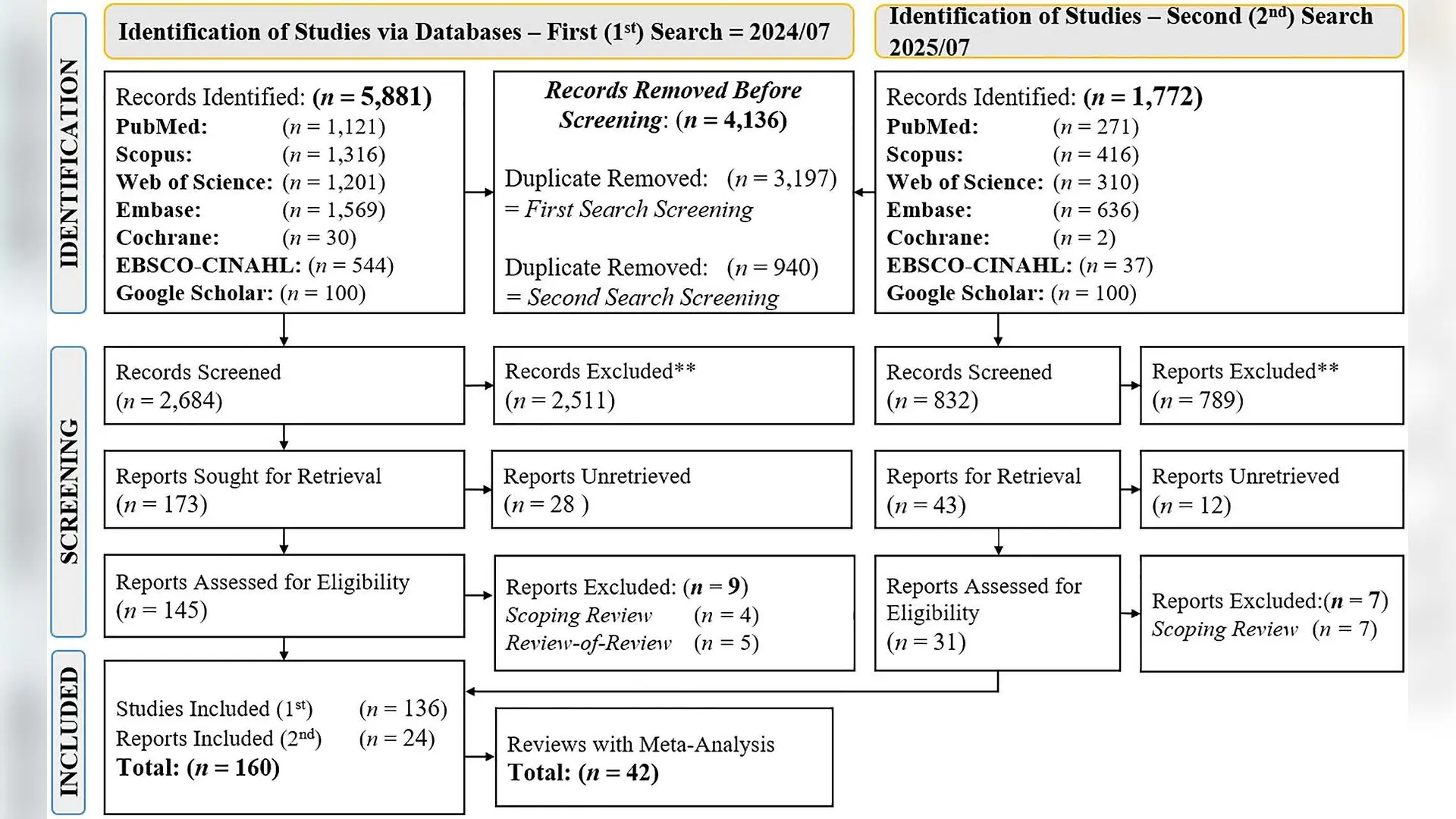
Digital apps, wearable sensors, and text message reminders are increasingly relied upon to help patients manage long-term medical conditions, but a massive new study reveals that the evidence backing these tools is far weaker than previously assumed. Researchers evaluated how effectively digital health interventions enhance patient engagement and clinical outcomes across chronic illnesses.
The umbrella review, published in PLOS Digital Health, synthesized data from 42 separate systematic reviews encompassing 853 primary studies and a combined total of roughly 574,676 participants. The analysis focused primarily on adults living with major chronic conditions such as type 2 diabetes, cardiovascular diseases, mental health disorders, cancers, asthma, and chronic obstructive pulmonary disease.
What the Pooled Data Reveals About Medication Adherence and Blood Sugar
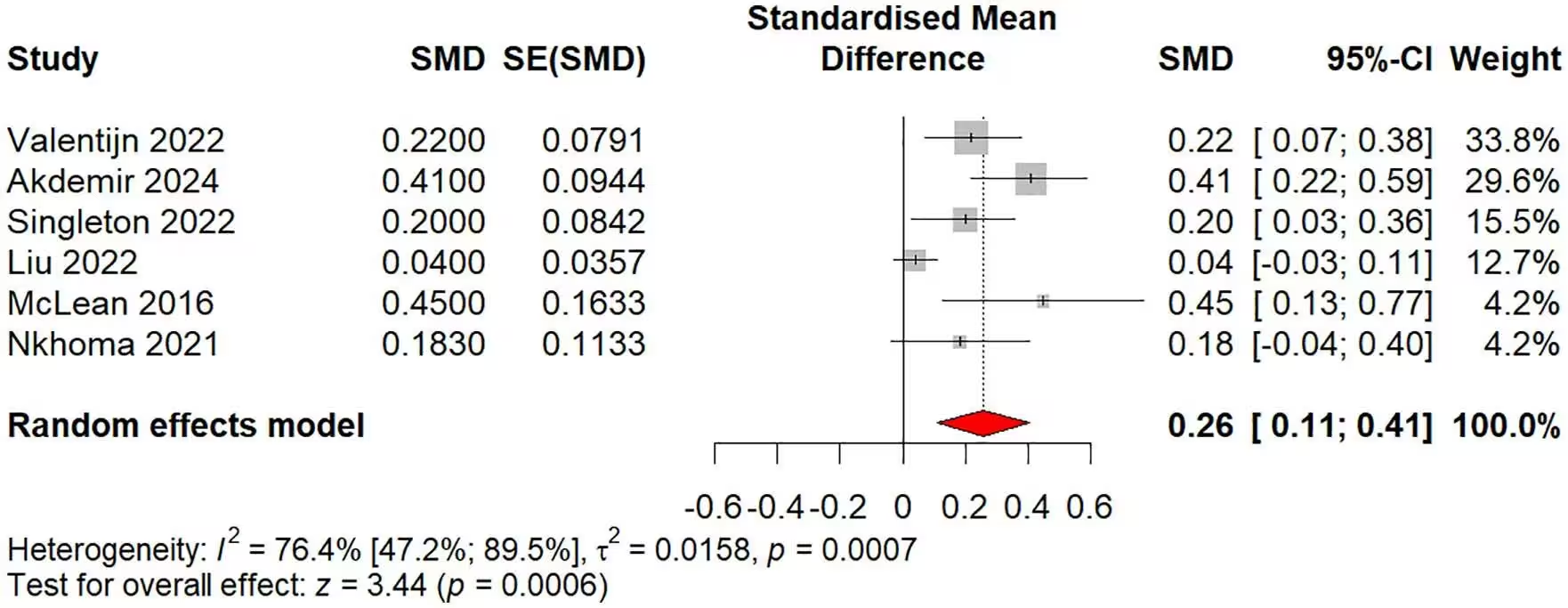
When the authors pooled the statistical data across the available reviews, they found that digital health tools offered a moderate and statistically significant improvement in medication adherence, showing a standardized mean difference of 0.65. Secondary outcomes also pointed toward positive shifts, including small but measurable improvements in quality of life with a standardized mean difference of 0.26.

For patients managing diabetes, the digital interventions were associated with a significant reduction in glycated hemoglobin, commonly known as HbA1c, reflecting better long-term blood sugar control with a mean difference of negative 0.45 percent. Additionally, pooled results indicated that digital tools were linked to reductions in anxiety symptoms among participating individuals, registering a standardized mean difference of negative 0.29.
Why Methodological Flaws Limit Confidence in the Findings
Despite these seemingly encouraging numbers, the researchers issued strong warnings regarding the overall quality of the underlying literature. Using a rigorous quality appraisal tool known as AMSTAR-2, the team discovered that 40 out of the 42 evaluated systematic reviews, equating to 95 percent, were rated as low or critically low in methodological rigor.
Common flaws among the reviewed papers included a lack of prospective protocol registration, inadequate reporting of reasons for excluding primary studies, and the absence of publication bias assessments. Furthermore, many pooled estimates relied on a very small number of contributing reviews, leaving statistical models vulnerable to high heterogeneity and instability.
The Importance of Tailored Digital Approaches and Future Research
Subgroup analyses indicated that the effectiveness of these digital tools varied significantly depending on the age group of the patients and the specific chronic condition being treated. The authors noted that critical components of patient engagement, such as personal health activation, self-management skills, and patient satisfaction, were frequently underrepresented or lacked enough data for thorough statistical pooling.
The research team concluded that current digital health findings should be interpreted strictly as exploratory signals of potential benefit rather than definitive proof of universal success. Future investigations will need to utilize longer follow-up periods, clearer definitions of patient engagement, and more rigorous trial designs before sweeping clinical or healthcare policy recommendations can be established.
The research was published in PLOS digital health on October 30, 2026.
This article has been fact checked for accuracy, with information verified against reputable sources. Learn more about us and our editorial process.
Last reviewed on .
Article history
- Latest version
Reference(s)
- Iqbal, Usman., et al. “Digital health interventions for patient engagement: A systematic umbrella review.” PLOS Digital Health, vol. 5, no. 10, October 30, 2026, pp. e0001785 Public Library of Science (PLoS), doi: 10.1371/journal.pdig.0001785. <https://doi.org/10.1371/journal.pdig.0001785>.
Cite this page:
- Posted by Sana Malik