Surprising Age Groups Showed Highest Risk of Increased Drinking During Pandemic
A multinational study of over 2,300 adults reveals stable overall consumption patterns alongside sharp disparities linked to age, geography, and loneliness.
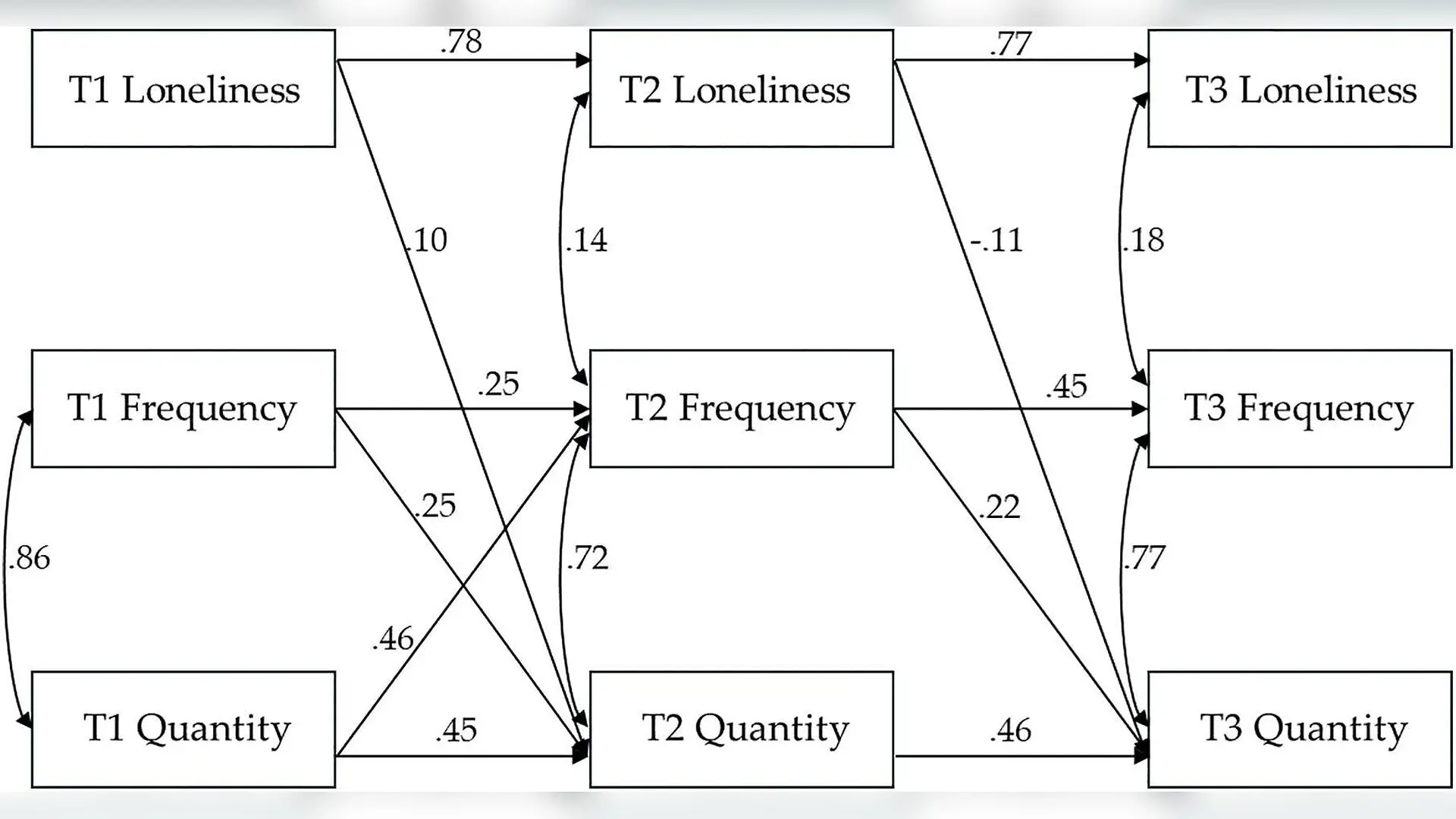
Adults aged 11 to 20 and those aged 50 to 70 showed the highest likelihood of increasing their drinking habits during the first year of the coronavirus pandemic, according to a large multinational study. While many public health experts feared widespread spikes in substance use as lockdowns disrupted daily routines, the new research reveals that overall alcohol consumption frequency and quantity remained remarkably stable across a full year of observation.
The study, published in PLOS One, followed 2,369 participants across Australia, the United Kingdom, and the United States from May 2020 through April 2021. Researchers tracked changes in drinking behavior over time using data from the COVID-19 Risks Across the Lifespan study to understand how different age groups and geographic regions reacted to public health restrictions.
Why Did Certain Age Groups Drink More While Others Cut Back?
The project uncovered complex non-linear age patterns in how populations modified their alcohol intake. While underage youth and middle-aged adults demonstrated an increased probability of consuming more alcohol, adults over the age of 75 moved in the opposite direction. Participants in this older demographic showed a sharp rise in the likelihood of reducing their consumption.
The authors suggest that the reductions seen in adults 75 and older might stem from unique stressors, including heightened health vulnerabilities, disrupted social support networks, and reduced physical access to alcohol due to mobility limitations or unfamiliarity with online delivery services. Conversely, the vulnerability of younger and middle-aged cohorts points to distinct lifestyle pressures and access shifts during lockdowns.
How Did Public Policy and Geography Shape Drinking Trends?
Geographic differences played a major role in shaping consumption trajectories. Participants living in the United Kingdom and the United States reported higher odds of increased drinking frequency and quantity compared to individuals residing in Australia.
The research team attributes these disparities largely to diverging public health policies regarding alcohol availability. Unlike Australia, which maintained strict limitations and experienced prolonged venue closures, both the U.S. and the U.K. rapidly expanded off-premises alcohol access through curbside pickups, takeaway sales, and home delivery services. Cultural factors, such as Australia’s traditional emphasis on social solidarity and community drinking, may have also influenced these outcomes when social gatherings were banned.

What Role Did Loneliness Play in Drinking Habits?
When examining psychological factors, the investigators found no direct prospective link between general stress or anxiety symptoms and changes in alcohol consumption over the course of the year. However, loneliness emerged as a powerful predictor.
Levels of loneliness reported early in the study prospectively predicted greater alcohol quantities consumed at subsequent time points. The findings highlight social isolation as a critical driver for alcohol misuse, reinforcing calls for public health initiatives that prioritize connection and community-based support structures during crises.
What Are the Limitations of the Study?
The authors noted several important constraints regarding their findings. The sample relied on convenience sampling and consisted predominantly of Caucasian females, which limits how broadly the results can be generalized to other populations and genders.
Additionally, because the sample contained a low proportion of heavy drinkers who consumed more than four standard drinks daily, the statistical power to detect shifts among high-risk individuals was restricted. Furthermore, pre-pandemic habits were measured using absolute quantities, whereas pandemic habits relied on perceived changes, which introduces potential recall bias.
The research was published in PloS one on October 30, 2026.
This article has been fact checked for accuracy, with information verified against reputable sources. Learn more about us and our editorial process.
Last reviewed on .
Article history
- Latest version
Reference(s)
- Zhang, Lu., et al. “Alcohol use and its associations with mental health across the first year of the COVID-19 pandemic.” PLOS One, vol. 21, no. 10, October 30, 2026, pp. e0361854 Public Library of Science (PLoS), doi: 10.1371/journal.pone.0361854. <https://doi.org/10.1371/journal.pone.0361854>.
Cite this page:
- Posted by Sana Malik