Hidden Mental Health Toll of Healthcare Corruption Revealed in New Study
Researchers discover that systemic medical bribery and institutional fraud inflict severe psychological trauma, sparking anxiety and moral injury among patients and staff.
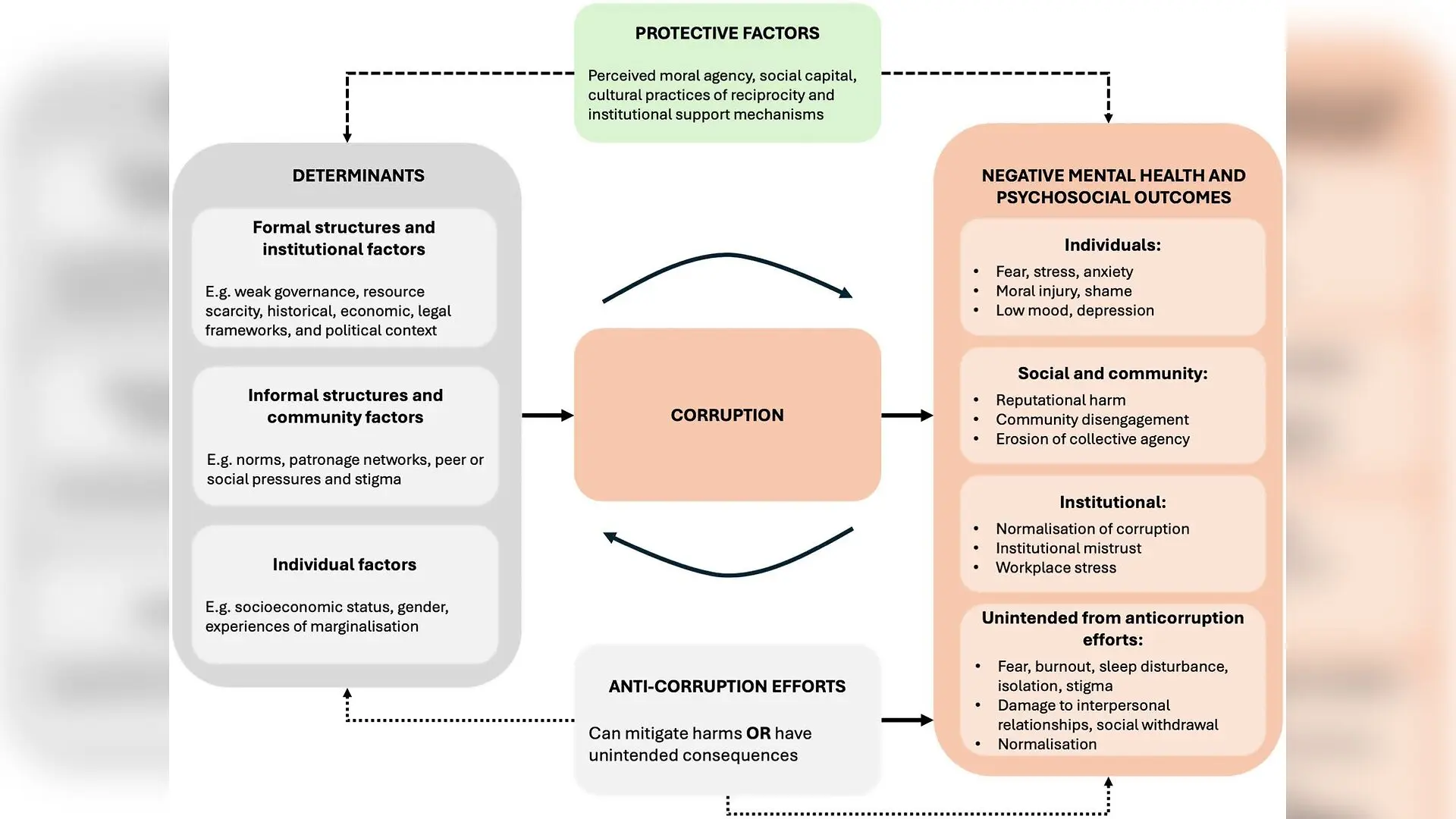
When corruption infiltrates the healthcare systems people rely on for survival, the toll extends far beyond wasted finances and broken infrastructure to manifest as a profound psychological wound. An exploratory mixed-methods study published in PLOS Global Public Health reveals that systemic dishonesty and bribery generate widespread mental distress, anxiety, and depression among both patients and healthcare providers.
How Institutional Dishonesty Fuels Chronic Stress and Moral Injury
Led by researchers Madura Nanthakumaran, Charles Orjiakor, and Dina Balabanova, the investigation combined a comprehensive scoping review of 25 peer-reviewed and grey literature sources with qualitative key informant interviews. The authors examined how corrupt practices like informal payments, absenteeism, and resource embezzlement create toxic environments that erode human well-being. For vulnerable patients, navigating a corrupted system often means facing service denial, humiliation, and insurmountable barriers to care.
Healthcare workers operating within these fragile systems experience severe psychological strain, frequently resulting in moral injury and burnout. When clinical professionals are forced to compromise patient care due to institutional failures, bribery expectations, or scarce resources, they suffer a profound erosion of their professional identity. The research highlights that individuals trapped in these environments frequently exhibit symptoms of anxiety, sleep disturbances, and deep feelings of hopelessness.
The Hidden Trap of Social Norms and Institutional Pressures
The study sheds light on why corruption persists by mapping the complex interplay of social and structural determinants. In many regions, informal payments and gift-giving are deeply embedded in local moral economies and cultural expectations of reciprocity. Refusing to participate in these practices can result in social exclusion, professional retaliation, or the inability to secure vital services for family members.

Consequently, individuals find themselves navigating a rigid web of social pressures where ethical behavior carries a heavy personal cost. This dynamic fosters an atmosphere of social hypervigilance, where interpersonal trust is systematically dismantled. Colleagues view one another with suspicion, and community members withdraw from civic engagement out of a sense of futility and exhaustion.
Why Counter-Corruption Campaigns Can Sometimes Backfire
Interestingly, the investigation uncovered that poorly designed anti-corruption interventions can inadvertently worsen mental health outcomes. Punitive enforcement measures that target frontline workers while ignoring higher-level systemic impunity often instil intense fear and demoralization. Raids on clinics and aggressive crackdowns can scapeguard low-ranking staff without resolving the underlying structural drivers of poverty and underfunding.
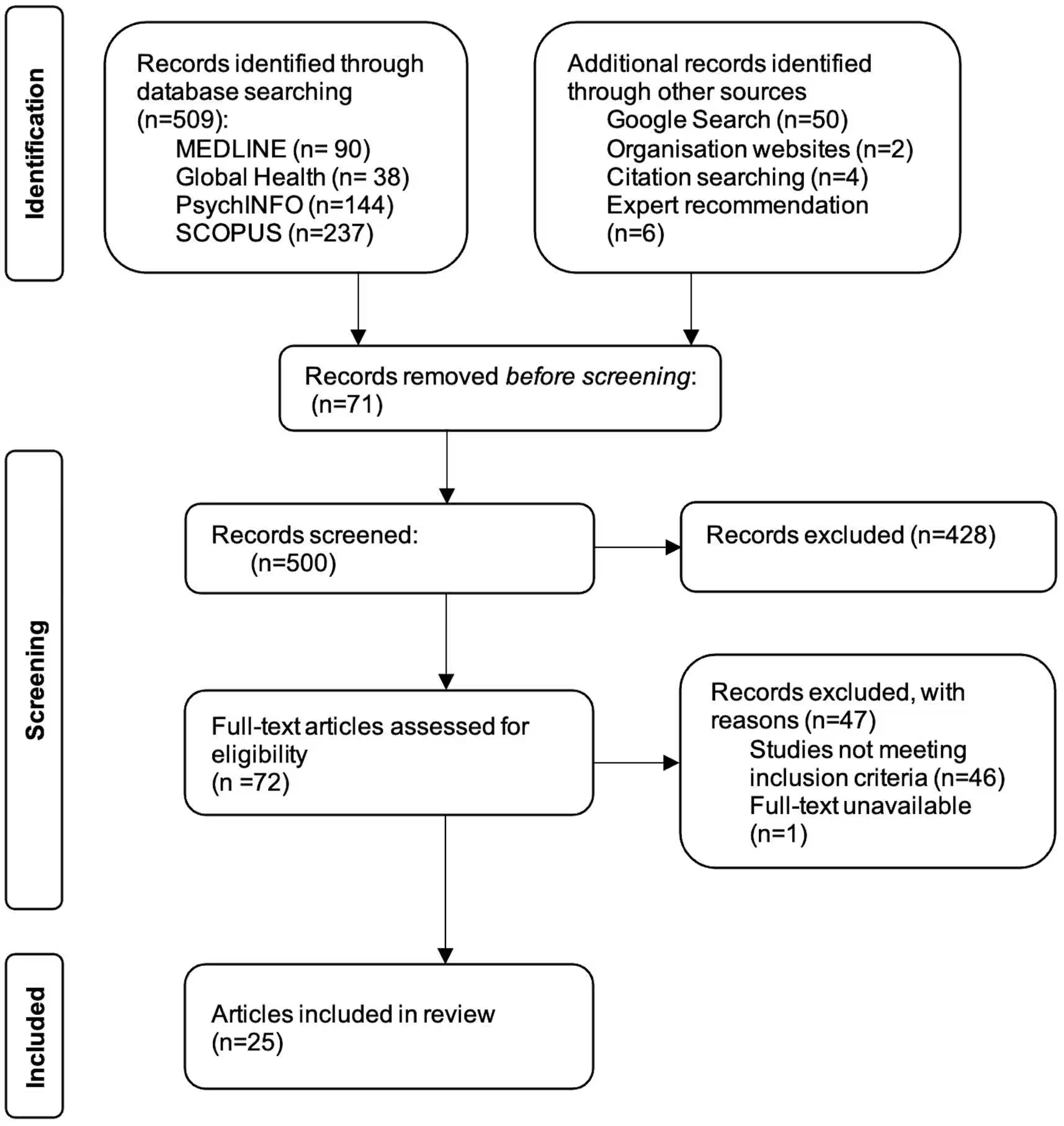
Furthermore, public awareness campaigns that frame corruption as an unavoidable and widespread norm have been shown to increase bribery rather than deter it. When people believe everyone else is participating in illicit practices, their willingness to resist collapses. The authors emphasize that effective reform requires moving past superficial punitive actions to address root causes while offering robust psychosocial support for whistleblowers and reformers.
What These Findings Mean for Future Health Systems
The authors argue that corruption must be officially recognized as a critical social determinant of mental health. Because current anti-corruption strategies primarily focus on financial oversight and legal enforcement, they consistently overlook the heavy psychological burden borne by those who encounter or attempt to challenge unethical systems.
Protecting the mental well-being of healthcare users and providers alike demands a fundamental shift in policy design. By integrating mental health indicators into health system reforms, establishing confidential and secure reporting channels, and respecting local moral contexts, policymakers can build more resilient, equitable institutions that safeguard both public health and human dignity.
The research was published in PLOS global public health on October 30, 2026.
This article has been fact checked for accuracy, with information verified against reputable sources. Learn more about us and our editorial process.
Last reviewed on .
Article history
- Latest version
Reference(s)
- Nanthakumaran, Madura., et al. “The hidden mental health burden of corruption in healthcare: Findings from a scoping review and key informant interviews.” PLOS Global Public Health, vol. 6, no. 10, October 30, 2026, pp. e0007509 Public Library of Science (PLoS), doi: 10.1371/journal.pgph.0007509. <https://doi.org/10.1371/journal.pgph.0007509>.
Cite this page:
- Posted by Sana Malik