Global Risk of Severe Respiratory Pandemic Estimated at 20 Percent Within Decade
New expert analysis identifies 40 high-priority investments to protect against future health crises and prevent multi-trillion-dollar economic losses.
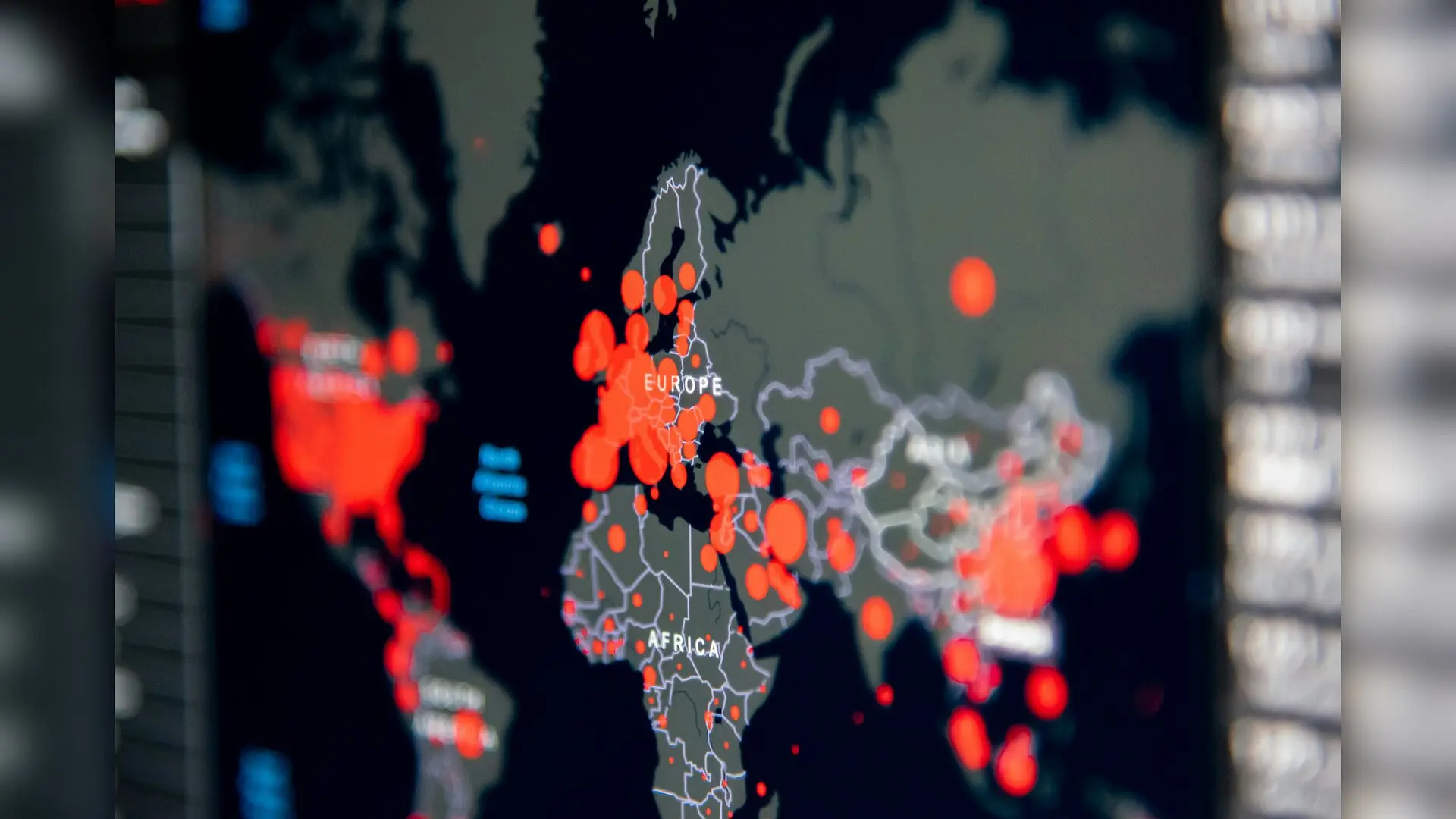
A staggering 20 percent likelihood hangs over the globe for another zoonotic respiratory pandemic, mirroring the devastating scale of COVID-19 or worse within the coming decade. As the world drifts into a phase of collective amnesia and pandemic neglect, a major international analysis warns that failing to invest in proper defense mechanisms is both economically inefficient and morally indefensible. The research, published in The Lancet Public Health, brings together leading epidemiologists, economists, and public health experts to chart a pragmatic roadmap for safeguarding humanity against future biological threats.
What Are the Highest Return Investments for Global Health Security?
To break the destructive cycle of panic followed by total neglect, researchers synthesized evidence from more than 100 specialists to identify 85 concrete actions at local, national, and regional levels. Out of these, experts flagged 40 high-priority interventions that offer substantial value for money and dual-purpose benefits. These measures do not merely sit on a shelf waiting for a rare viral outbreak, but actively strengthen routine health systems during peaceful interpandemic years.
At the local and national level, foundational health-care capabilities take center stage. Stockpiling essential medical oxygen, personal protective equipment, and securing robust supply chains rank among the most urgent steps a government can take. Furthermore, investing in basic emergency and surgical care creates resilient medical infrastructure that immediately helps everyday patients while preparing clinics for sudden viral surges.
How Can Nations Protect Themselves When International Aid Fails?
One of the starkest lessons learned from the coronavirus crisis is that national policy makers must plan on the assumption that international assistance will arrive late or be heavily restricted. Wealthy nations hoarded critical vaccines during the previous crisis, leaving low-income countries entirely vulnerable. To prevent history from repeating itself, the study urges domestic leaders to build regional manufacturing capacity and establish prearranged financing mechanisms before a crisis strikes.
The financial figures underscore the glaring disparity in global health spending. While high-income countries poured 6.7 trillion dollars into health care in 2019 alone, low-income nations scraped by on an average of just 39 dollars per person annually. Experts argue that wealthier nations must shoulder a fairer share of the financial burden for global public goods, noting that investing in overseas prevention directly protects domestic economies from multi-trillion-dollar shocks.
What Were the Major Policy Mistakes We Cannot Afford to Repeat?
The expert panel evaluated past policy missteps, highlighting that prolonged school closures inflicted devastating social and educational costs on children while offering limited epidemiological benefit when kids were at low risk. Similarly, basic public health tools such as border controls, systematic testing, and isolation protocols were frequently applied inconsistently or abandoned entirely. The authors stress that future responses must balance viral containment with the protection of societal well-being.
On the prevention front, experts call for rigorous laboratory biosafety standards, mandatory licensing, and intersectoral One Health coordination to monitor high-risk animal-to-human disease spillovers. By cleaning up livestock biosecurity and regulating wildlife trade in targeted hotspots, nations can nip emerging pathogens in the bud before they ever cross the species barrier into human populations.
The research was published in The Lancet. Public health on November 1, 2026.
This article has been fact checked for accuracy, with information verified against reputable sources. Learn more about us and our editorial process.
Last reviewed on .
Article history
- Latest version
Reference(s)
- Norheim, Ole F., et al. “Investing in pandemic prevention, preparedness, and response.” The Lancet Public Health, vol. 11, no. 11, November 1, 2026, pp. e934-e942. Elsevier BV, doi: 10.1016/s2468-2667(26)00201-x. <https://doi.org/10.1016/s2468-2667(26)00201-x>.
Cite this page:
- Posted by Sana Malik