NASA’s CAPSTONE 02 Mission Tests Next-Gen Lunar Operations for Artemis and Commercial Space
NASA picks a new spacecraft tech demo mission to boost future lunar operations and support long‑term exploration goals.
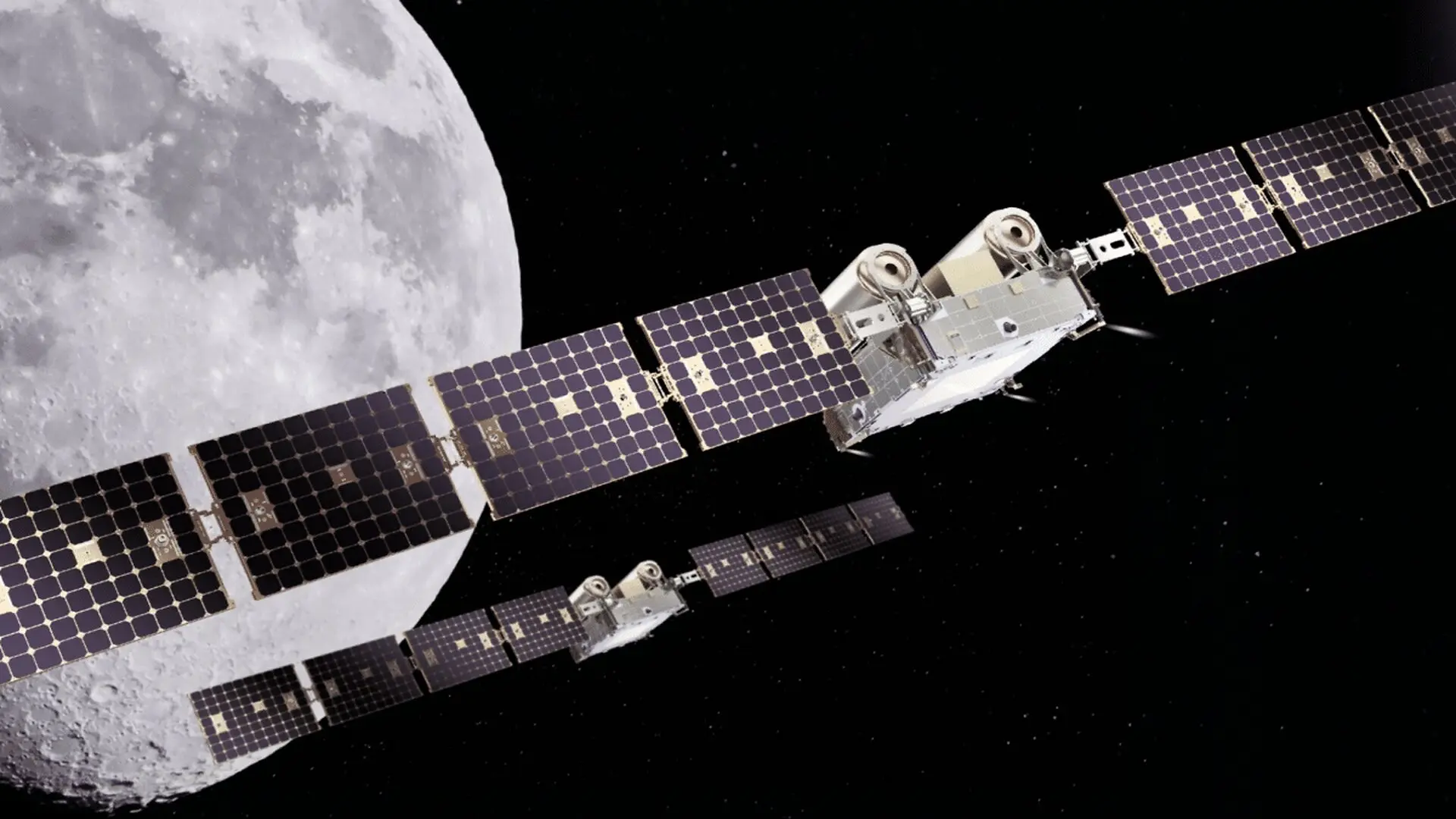
NASA unveiled a fresh spacecraft technology‑demonstration mission aimed at testing cutting‑edge operational concepts in lunar orbit, a move that strengthens the agency’s roadmap toward a lasting human presence beyond Earth.
The initiative, designated CAPSTONE 02, leverages lessons learned from the earlier CAPSTONE probe, which proved navigation and operational techniques in a near‑rectilinear halo orbit around the Moon.
New Lunar Testbed to Validate Advanced Operations
The original CAPSTONE mission was built to explore orbital dynamics and navigation strategies for future lunar ventures. Its findings offered critical insight into the harsh environment surrounding the Moon, informing the design of prospective stations and exploration platforms.
“Achieving our most ambitious space exploration goals requires iterative, risk‑tolerant demonstrations in partnership with industry. Technology development through flight testing is how we convert hard problems into the lasting capabilities needed for a permanent presence at the Moon,” said Christopher Baker, Lead of the In‑Space Infrastructure portfolio within the Research and Technology Mission Directorate at NASA Headquarters in Washington, DC.
CAPSTONE 02 will push those foundations further, showcasing more sophisticated approaches that aim to de‑risk upcoming exploration missions by validating hardware and software in real lunar conditions.
Voir cette publication sur InstagramBoosting Private Sector Services in Cislunar Space
NASA frames CAPSTONE 02 as a cornerstone of a broader push to lay the groundwork for commercial activities in lunar orbit, exploring concepts that could make the Moon more reachable and interconnected.
As missions grow in scope and involve a wider array of international and commercial participants, dependable navigation, communications, and autonomous spacecraft functions will become essential components of lunar infrastructure.
“This mission represents an important step in the maturation of cislunar capabilities,” said Sean Fuller, Moon Base CAPSTONE manager. “By expanding on the lessons learned from CAPSTONE to demonstrate increasingly sophisticated operational concepts, CAPSTONE 02 lays the foundation for lunar infrastructure and commercial services that support Artemis, Moon Base, and future missions to deep space.”
The effort underscores NASA’s shift toward repeatable, scalable solutions that can serve multiple ventures rather than one‑off exploratory trips, fostering a partnership model that lowers barriers for future lunar endeavors.
Integrating Demonstrations into the Artemis Roadmap
CAPSTONE 02 fits squarely within NASA’s long‑term strategy to return humans to the Moon under the Artemis program and to use the lunar environment as a proving ground for technologies destined for deeper‑space missions.
The Moon will host experiments in autonomous operations, surface infrastructure, and transportation systems, with missions like CAPSTONE 02 offering a real‑world arena to verify concepts before they are embedded in larger exploration architectures.
By collaborating with private spacecraft developers, NASA is weaving commercial expertise into missions that historically relied solely on government‑built hardware, reflecting a broader trend toward industry‑driven exploration.
As lunar activities evolve toward longer stays and more intricate tasks, technology‑demonstration flights will continue to play a pivotal role in turning experimental ideas into reliable tools for humanity’s next steps on and around the Moon.
This article has been fact checked for accuracy, with information verified against reputable sources. Learn more about us and our editorial process.
Last reviewed on .
Article history
- Latest version
Reference(s)
- Hall, Loura. “New Small Spacecraft Technology Demonstration Mission at the Moon.”, July 24, 2026 NASA <https://www.nasa.gov/directorates/armd/nasa-announces-new-spacecraft-technology-demonstration-mission-at-moon/>.
Cite this page:
- Posted by David Anderson