Fading Letters on Eye Charts Signal Hidden Vision Issues That Standard Tests Miss
Difficulty reading beyond six fading lines on an eye chart can act as an early warning sign for seniors’ vision health.
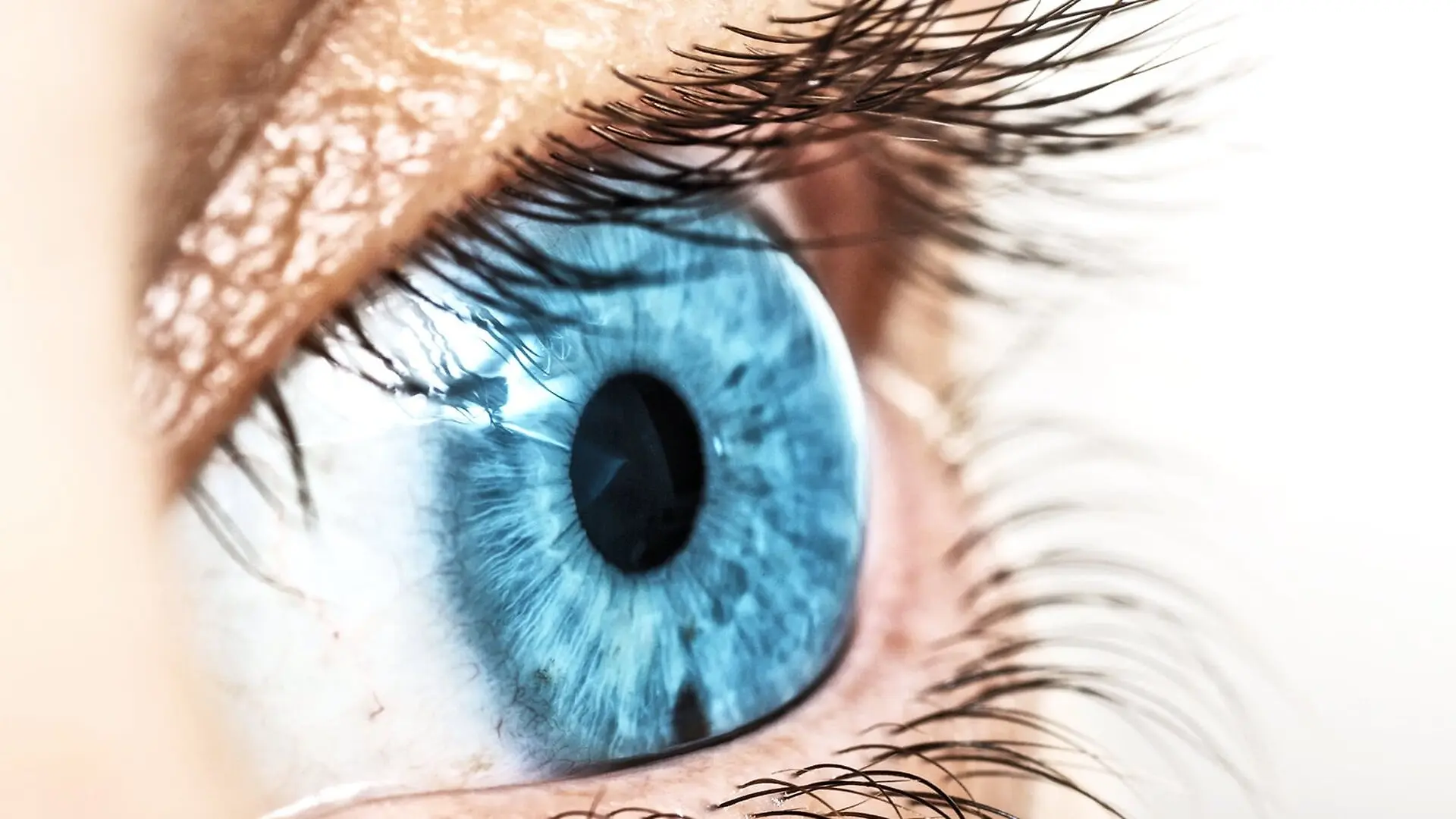
Fading letters on low‑contrast charts may signal early vision decline in seniors
Researchers have identified a specific point on a Pelli‑Robson contrast‑sensitivity chart that could alert clinicians to everyday visual difficulties that standard eye‑exam charts often overlook.
“Conventional acuity charts, with stark black letters on white backgrounds, can miss subtle changes that emerge with aging,” explained Lindsey De Lott, a neuro‑ophthalmologist at the University of Michigan. “By using letters that gradually lose contrast, we assess a person’s ability to discern objects against similar backgrounds—a skill known as contrast sensitivity.”
Contrast sensitivity reflects how well an individual can detect slight differences between a target and its surroundings. Deficits in this ability have been linked to real‑world challenges such as falls, driving difficulties, and reduced independence.
De Lott noted that previous research lacked a concrete benchmark indicating when reduced contrast sensitivity begins to interfere with daily tasks like recognizing faces, reading medication labels, or watching television. “Our study establishes that threshold, turning an abstract test score into a practical warning sign.”
Shu Xu, a postdoctoral fellow at the university’s Institute for Social Research, highlighted the broader impact: “Having a clear cut‑off makes the test actionable for doctors and meaningful for patients, and it gives public‑health investigators a tangible metric to explore how vision influences older adults’ quality of life.”
Analysis of the survey data revealed that many participants aged 65 and older reported visual problems despite having normal visual‑acuity measurements. These individuals also tended to score poorly on the contrast‑sensitivity test, underscoring a gap in routine eye‑care screening.
“Clinicians typically flag scores that fall two standard deviations below the average as ‘impaired,’ but that classification only tells you the person is below average, not whether they struggle in everyday situations,” Xu added. “Our work bridges that gap by tying the test result directly to self‑reported functional difficulties.”
The study’s authors suggest that seniors who experience vision complaints yet show normal results on traditional charts could benefit from contrast‑sensitivity testing. Early identification of visual decline may open a window for interventions before standard acuity deteriorates.
Looking ahead, Xu’s team plans to track participants over time to determine whether those below the newly defined contrast‑sensitivity threshold face higher risks of health decline and loss of independence. “Long‑term data will help us understand how this metric can guide strategies for healthier aging,” she said.
This article has been fact checked for accuracy, with information verified against reputable sources. Learn more about us and our editorial process.
Last reviewed on .
Article history
- Latest version
Cite this page:
- Posted by David Anderson