Young Titanosaurs Could Raise Their Hind Legs As They Grew: New Study Explains Why
Scientists tested dinosaur bones like bridges, discovering why only young dinos could stand upright—an unexpected size‑and‑age limit explains the mystery.
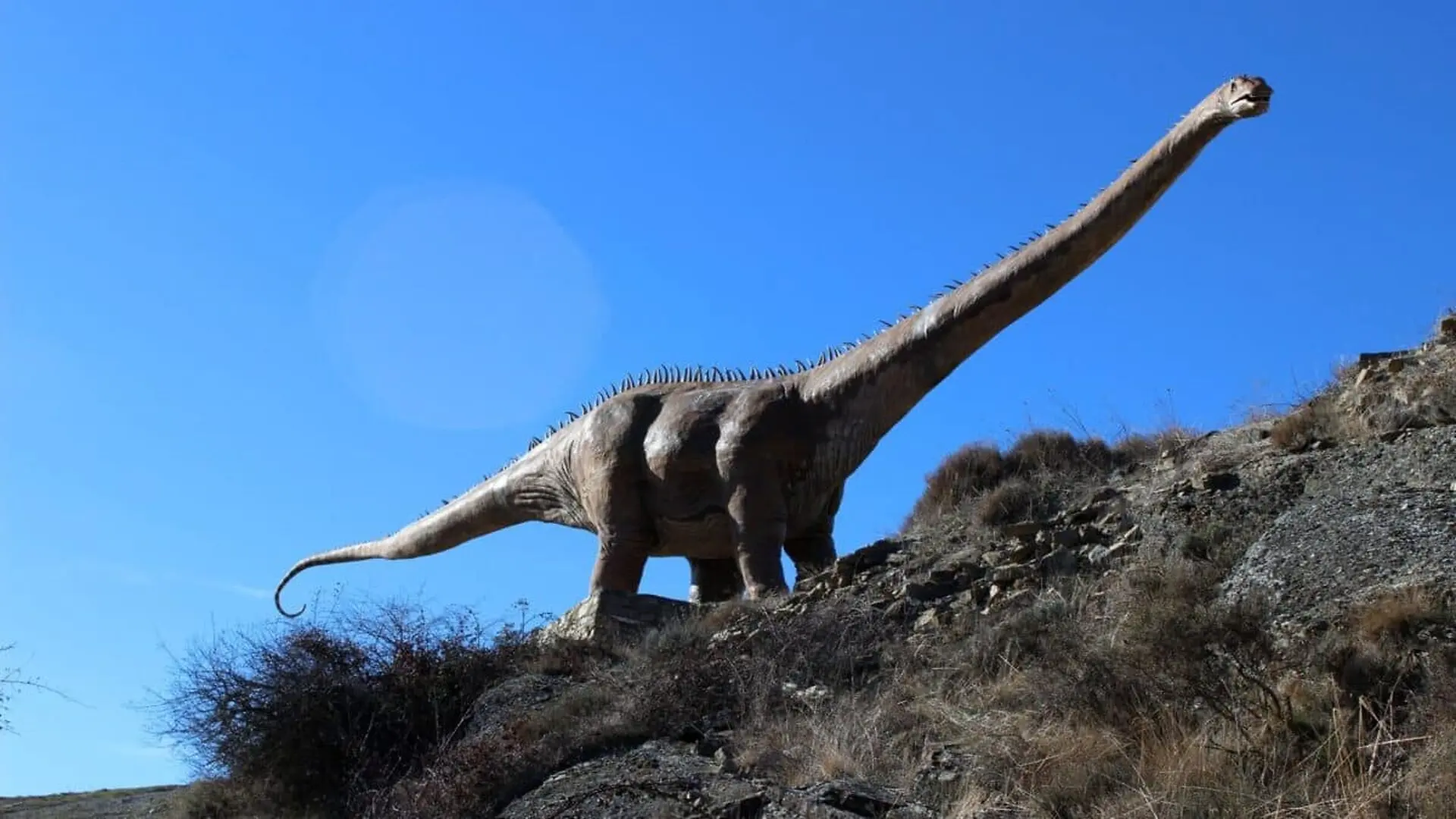
A new analysis of titanosaur fossils indicates that several sauropod species could lift their massive bodies onto their hind limbs, a capability that appears to diminish as the animals grew larger and heavier. The study focuses on two South American giants – the Brazilian Uberabatitan and the Argentine Neuquensaurus – and suggests that juveniles of these taxa were particularly adept at assuming a bipedal posture.
Published in Palaeontology, the research offers a fresh perspective on long‑standing debates about why some sauropods might have reared up, whether to reach foliage, display to rivals, or deter predators.
Modern Engineering Tools Reveal Ancient Biomechanics
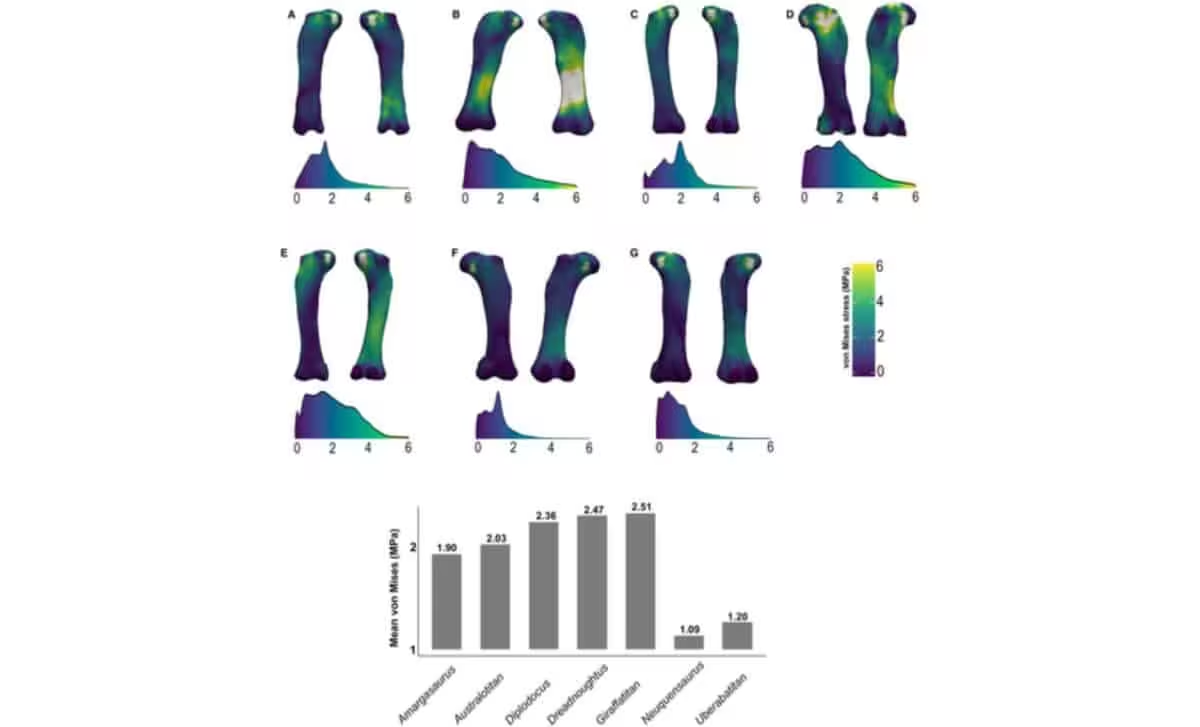
Scientists from Brazil, Germany and Argentina employed finite element analysis, a technique commonly used to assess stress in bridges and machines, to reconstruct seven sauropod femora representing diverse lineages and sizes. Each bone was subjected to two computational scenarios: one that simulated the downward pull of gravity and body weight, and another that estimated the internal forces generated by the animal’s muscles during a rearing motion.
The lead author, Julian Silva Júnior of São Paulo State University, explained that combining the two models allowed the team to compare how different femoral architectures responded to both external and internal loads.
Results showed that the femora of Neuquensaurus and Uberabatitan consistently recorded the lowest stress values across all tests. By contrast, larger taxa such as Dreadnoughtus and Giraffatitan experienced markedly higher stresses, with Giraffatitan’s bone bearing almost twice the load of Neuquensaurus in the gravity‑only scenario.
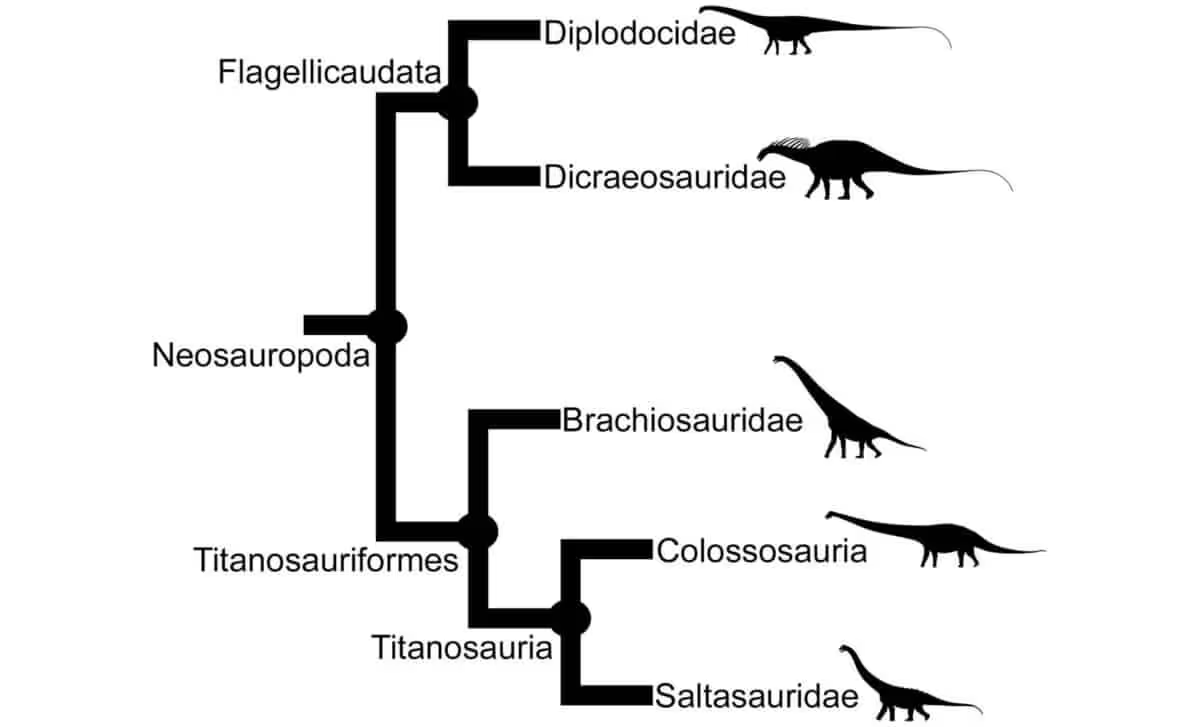
Bone Architecture, Not Size, Drives Upright Ability
The comparative advantage of the two smaller titanosaurs appears rooted in the internal geometry of their femora rather than sheer strength. According to Silva Júnior, the arrangement of bone tissue and associated musculature in these species would have permitted a more efficient and prolonged bipedal stance, whereas larger sauropods could have managed brief rearing events but at the cost of higher skeletal strain.
It is noteworthy that the best‑performing Uberabatitan specimen in the simulations was a juvenile. The authors highlight that fully grown individuals of this species could reach lengths of about 26 metres, placing them in the same mass range as the most heavily stressed giants like Dreadnoughtus. Consequently, the capacity to stand upright likely waned as the animal matured.
The authors propose several functional explanations for why a sauropod might have risen on its hind legs: accessing high‑lying foliage, presenting a more intimidating silhouette to predators, or facilitating courtship displays. When supported by the tail, such a pose would form a “tripodal” stance, distributing weight across three contact points for added stability.
The study also acknowledges key simplifications. Neither cartilage – a flexible tissue that cushions joints – nor the mechanical contribution of the tail were incorporated into the models. Because these omissions affect all specimens equally, the team treats the stress values as comparative indicators rather than precise measurements of any single animal’s experience.
Despite these constraints, the analysis provides a novel framework for understanding how body size may have shaped behavior in some of the planet’s largest terrestrial vertebrates. By juxtaposing femoral data from multiple sauropod lineages, the researchers have reconstructed a plausible picture of how these ancient giants might have behaved millions of years ago.
This article has been fact checked for accuracy, with information verified against reputable sources. Learn more about us and our editorial process.
Last reviewed on .
Article history
- Latest version
Cite this page:
- Posted by David Anderson