Family Catches Deadly Tick-Borne Virus From Sick Pet Dog Without Being Bitten
Longitudinal screening reveals a golden retriever shed severe fever with thrombocytopenia syndrome virus for nearly a month before human cases emerged.
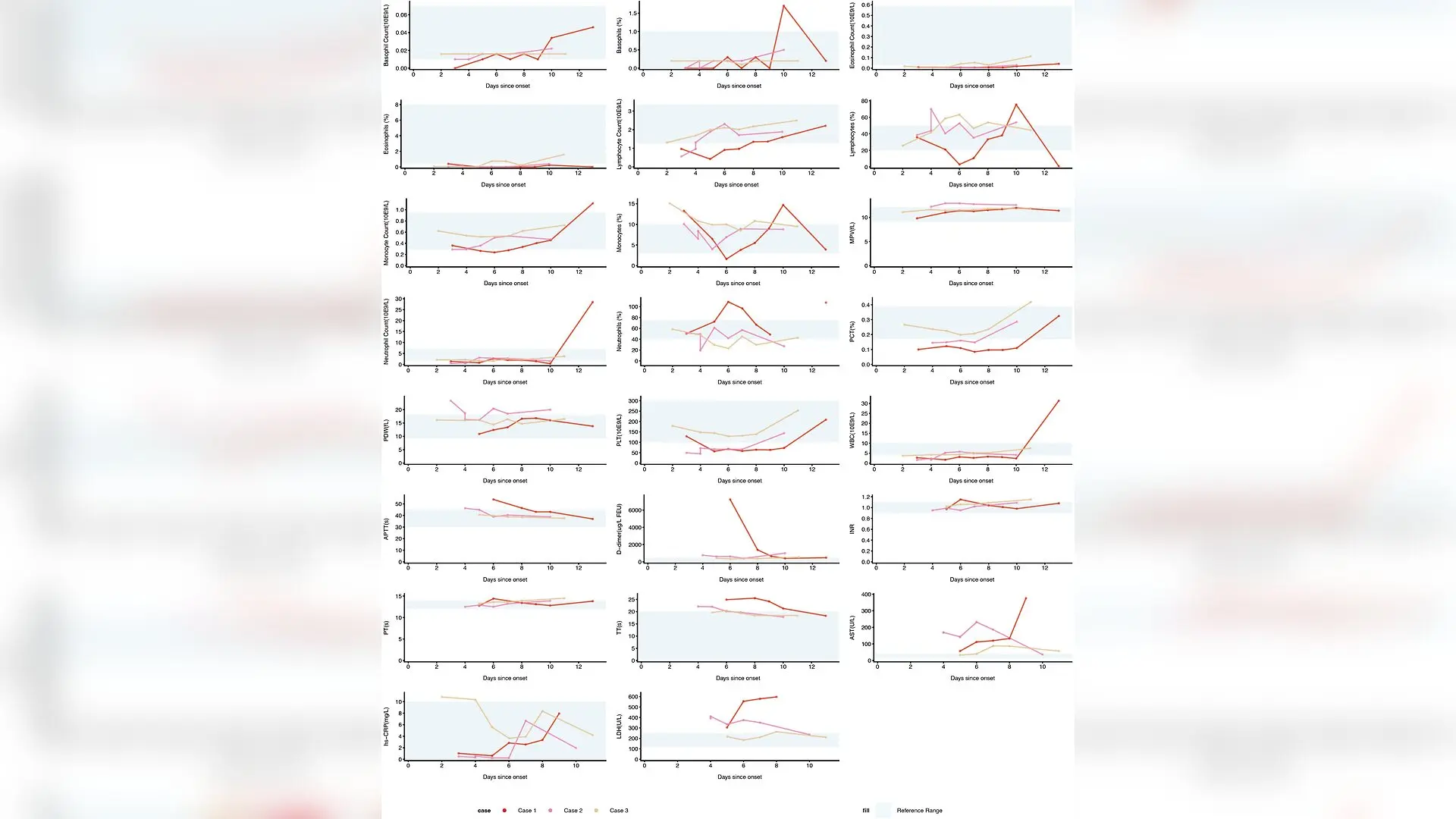
A 57-year-old man and two of his family members contracted a potentially lethal tick-borne virus after caring for their sick pet dog in Southeast China, highlighting an unusual route of zoonotic infection that bypassed direct tick bites. The investigation, published in PLOS Neglected Tropical Diseases, details how the family’s golden retriever shed high levels of severe fever with thrombocytopenia syndrome virus for nearly a month before the human cases emerged.
How Did the Family Contract Severe Fever with Thrombocytopenia Syndrome Virus?
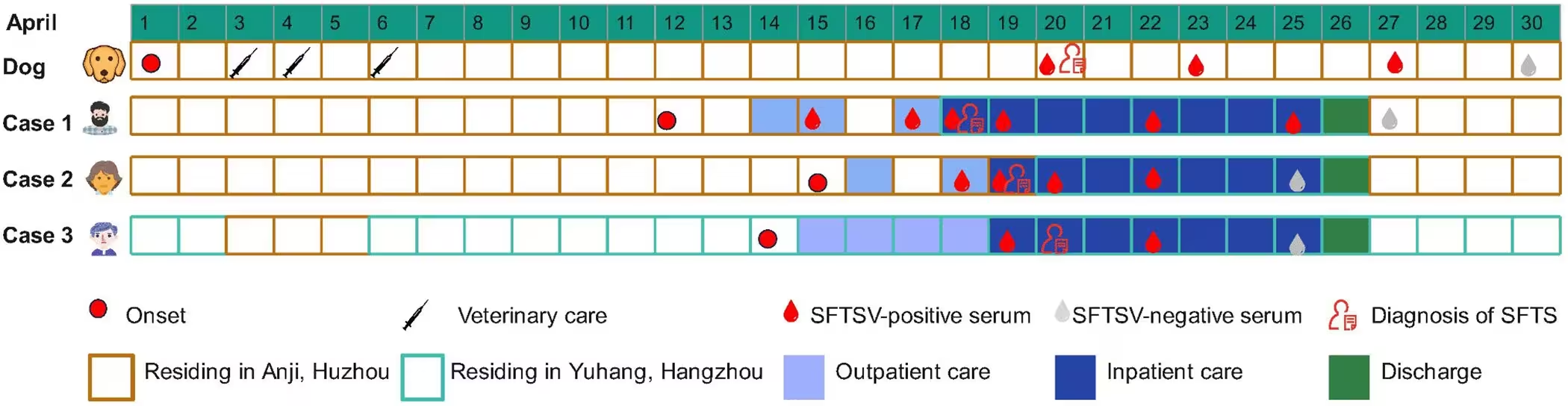
The index case, a 57-year-old male resident of Anji County, fell ill on April 14 with a fever, fatigue, headache, and generalized myalgia, initially leading to a misdiagnosis of an upper respiratory tract infection. His condition worsened with gastrointestinal symptoms, prompting a referral to a tertiary hospital in Hangzhou, where testing confirmed infection with severe fever with thrombocytopenia syndrome virus, a pathogen known as Dabie bandavirus that causes severe fever with thrombocytopenia syndrome. His 56-year-old wife and 33-year-old son developed compatible symptoms two and three days later, respectively.
Epidemiological investigations revealed that all three human patients denied any history of tick bites or travel outside the county in the 14 days prior to falling ill. However, they all reported providing close care to the family’s 9-year-old male golden retriever, which had fallen seriously ill with lethargy, high fever, and vomiting weeks earlier. Two other family members who did not have close contact with the sick dog remained entirely uninfected and serologically negative.
What Did Longitudinal Screening Reveal About Viral Shedding in Dogs?
The family dog began showing clinical signs on April 1, including an acute rectal temperature of 41 degrees Celsius, excessive ocular discharge, and a small mandibular wound. Researchers performed longitudinal specimen sampling on the animal and detected persistent viral shedding across multiple sites. Viral positivity was sustained for 23 days in nasal and urethral swabs, 27 days in serum samples, and at least 30 days in rectal swabs.
Genomic analysis provided a strong link between the animal and human infections by comparing viral sequences. Sequencing results demonstrated near-identical severe fever with thrombocytopenia syndrome virus genetic profiles between the index patient and the infected dog, showing 99.94 percent identity for the small segment, 100 percent for the medium segment, and 99.98 percent for the large segment.

What Are the Broader Implications for Pet Owners and Public Health?
Severe fever with thrombocytopenia syndrome is an emerging viral illness characterized by fever, gastrointestinal distress, thrombocytopenia (low blood platelet counts), and leukopenia, with reported case fatality rates ranging from 7.40 to 19.42 percent across endemic regions in China, Japan, and South Korea. While the disease is primarily transmitted to humans through the bites of infected ticks such as Haemaphysalis longicornis, human-to-human and animal-to-human transmission through infectious blood and body fluids have become recognized public health concerns.
The authors note that this event represents the sixth globally documented canine-to-human transmission cluster and the third reported in China. Although the exact transmission route could not be definitively isolated due to diverse and frequent close contact between the family and their pet, the findings underscore the importance of veterinary surveillance. Companion animals can act as intermediate hosts that harbor and shed dangerous pathogens over extended periods, posing infection risks to pet owners and veterinary professionals alike.
The research was published in PLOS Neglected Tropical Diseases on October 30, 2026.
This article has been fact checked for accuracy, with information verified against reputable sources. Learn more about us and our editorial process.
Last reviewed on .
Article history
- Latest version
Reference(s)
- Ren, Jiangping., et al. “Persistent viral carriage of severe fever with thrombocytopenia syndrome virus in canine: A potential canine-to-human transmission event in a family cluster.” PLOS Neglected Tropical Diseases, vol. 20, no. 10, October 30, 2026, pp. e0014215 Public Library of Science (PLoS), doi: 10.1371/journal.pntd.0014215. <https://doi.org/10.1371/journal.pntd.0014215>.
- Posted by David Anderson