Ambulance Tech Streams Live Fetal Data to Hospital Doctors
Real-time remote monitoring during emergency maternal transport proved feasible and legible in a new clinical study involving 68 patients.
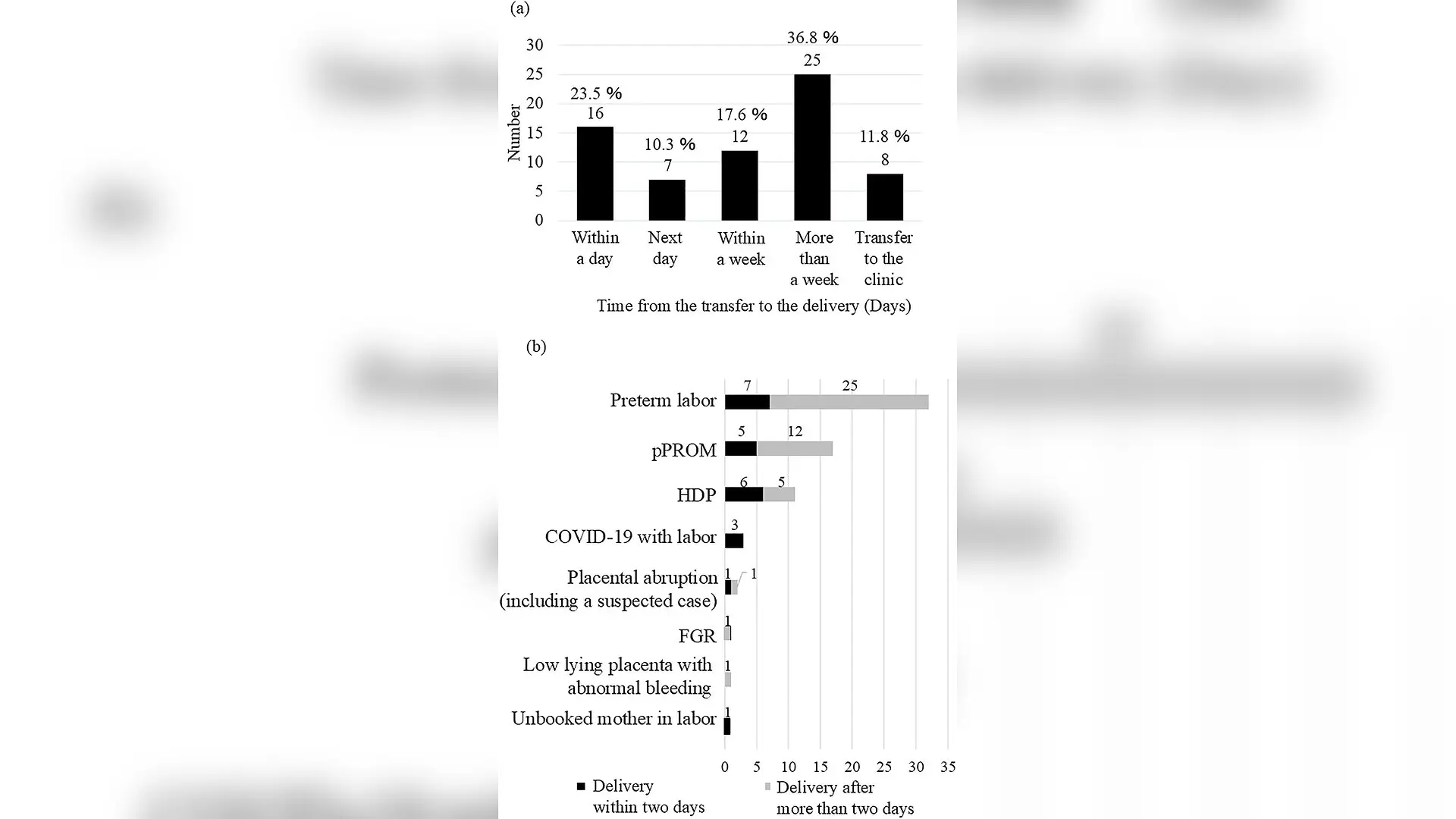
A new clinical evaluation reveals that streaming live fetal heart rate and contraction data from an ambulance to a hospital allows doctors to review vital signs before a high-risk patient even arrives. The study examined 68 pregnant women who required emergency transfer from private clinics to a regional perinatal center in Japan.
Emergency medical transport for expectant mothers often happens when complications arise at primary clinics that lack advanced surgical or intensive care units. During these transfers, healthcare providers must monitor both maternal stability and fetal wellbeing, but communicating critical changes to receiving physicians traditionally relies on voice calls or estimated verbal descriptions. To test a more direct approach, researchers deployed a small mobile device known as a cardiotocograph across nine private clinics between August 2021 and August 2023.
The findings were published in PLOS One, detailing how the compact monitoring technology tracked patients during ambulance rides lasting a median of 34.5 minutes over a median travel distance of 27.9 kilometers.
How Live Data Streaming Works Inside Moving Vehicles
During each emergency transfer, accompanying midwives, nurses, or physicians attached the mobile cardiotocograph to the pregnant patient alongside a standard pulse oximeter. The monitoring unit automatically transmitted real-time data through cellular internet connections to a secure cloud server. Obstetricians stationed at the receiving university hospital then reviewed the continuous data streams on tablets in the hospital ward to prepare appropriate clinical interventions ahead of time.
The prospective study focused on single pregnancies beyond 22 weeks of gestation, with a mean gestational age of 33.1 weeks among the participants. Preterm labor accounted for 47.1 percent of the transfers, followed by preterm premature rupture of membranes at 25 percent and hypertensive disorders of pregnancy at 16.2 percent. Despite the vibrations and movement inherent to ambulance transport, the transmission system experienced zero dropped monitoring sessions due to connectivity failures, and all 68 fetal heart rate records yielded legible data.
What the Quality Metrics and Clinical Outcomes Showed
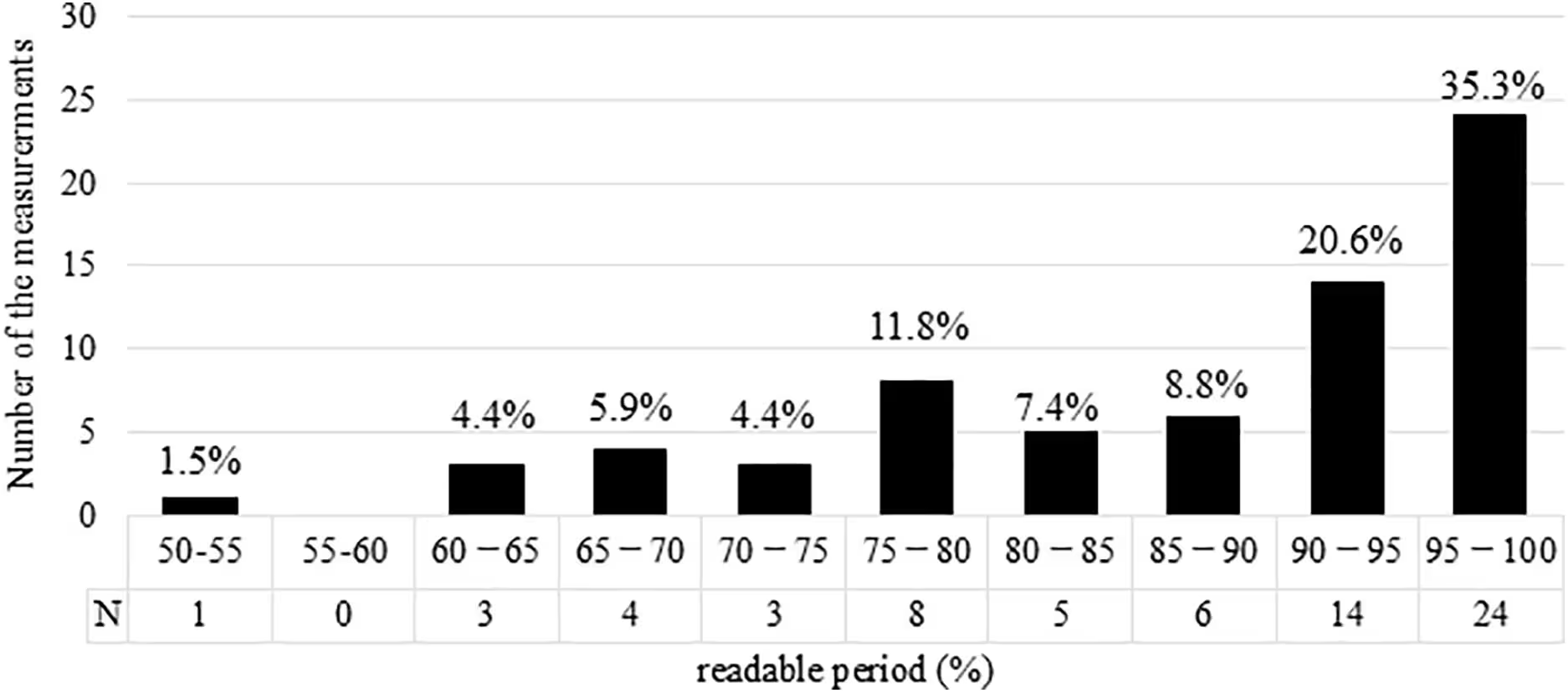
To evaluate the reliability of the transmitted streams, the researchers measured the proportion of legible data within each recording. They found a median legible period of 91.1 percent across all sessions, with individual scores ranging from 53.9 percent to 99.8 percent. According to standard fetal monitoring classification systems, 98.5 percent of the recorded patterns fell into the reassuring Category I group, while 1.5 percent were classified as Category II.
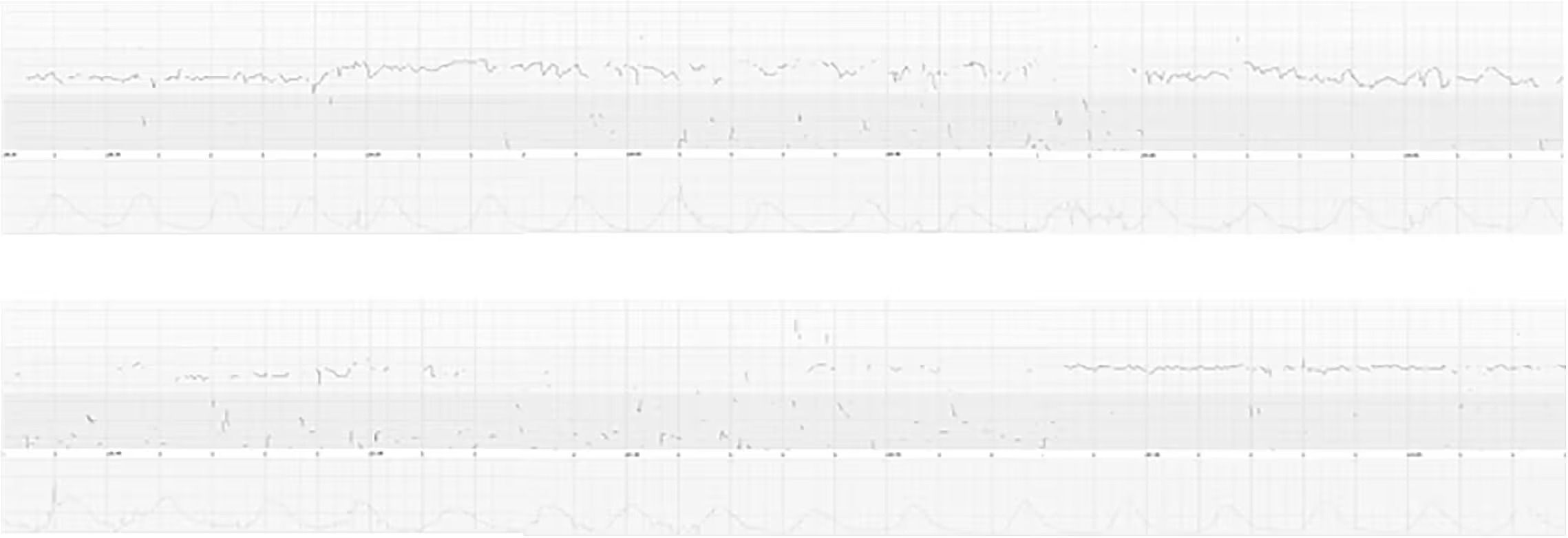
One notable case involved a patient presenting with severe abdominal pain and bleeding who was diagnosed with a suspected placental abruption. While the ambulance drove 39.3 kilometers over 51 minutes, the mobile monitor captured frequent uterine contractions every two minutes alongside stable fetal heart tracings. Upon arrival at the hospital, physicians immediately confirmed the placental abruption and performed an emergency cesarean section. Both the mother and newborn were later discharged without complications.
How Medical Staff and Paramedics Evaluated the System
Following the recruitment period, the research team administered structured questionnaire surveys to evaluate the subjective experience and acceptance of the technology. Among 68 accompanying medical staff members, which included obstetricians, midwives, and nurses, more than 80 percent gave positive ratings regarding ease of use, safety, and a willingness to use the system again.
A separate online survey completed by 85 local paramedics revealed broad acceptance among emergency responders. The majority agreed that utilizing the cardiotocograph during transit felt safe and reassuring, though opinions were more varied regarding whether the extra equipment added a notable workload during high-stress transfers.
Limitations and Future Directions in Prehospital Telemedicine
The authors noted several important limitations in their study design. Because the work was structured as a feasibility trial rather than a controlled comparison group, the researchers could not definitively prove whether real-time ambulance monitoring improves long-term perinatal health outcomes or reduces healthcare costs compared to conventional transport.
Furthermore, the trial took place in a relatively densely populated region with robust cellular coverage, meaning the high data transmission success rates might not translate directly to rural or mountainous regions with poor network connectivity. The team suggests that future investigations should explore integrating artificial intelligence algorithms to automatically detect subtle shifts in fetal heart rate patterns and predict clinical deterioration before patients reach the hospital doors.
The research was published in PLOS One on October 30, 2026.
This article has been fact checked for accuracy, with information verified against reputable sources. Learn more about us and our editorial process.
Last reviewed on .
Article history
- Latest version
Reference(s)
- Tamaru, Shunsuke., et al. “Feasibility of using a mobile cardiotocograph device in an ambulance during maternal transport.” PLOS One, vol. 21, no. 10, October 30, 2026, pp. e0361118 Public Library of Science (PLoS), doi: 10.1371/journal.pone.0361118. <https://doi.org/10.1371/journal.pone.0361118>.
Cite this page:
- Posted by Sana Malik