Gravel Workers Discover Ton of 2,200 Year Old Iron Bars Hidden in the Danube River
Hundreds of mysterious metal artifacts unearthed from an Austrian riverbed are being hailed as one of Europe’s most significant archaeological discoveries.
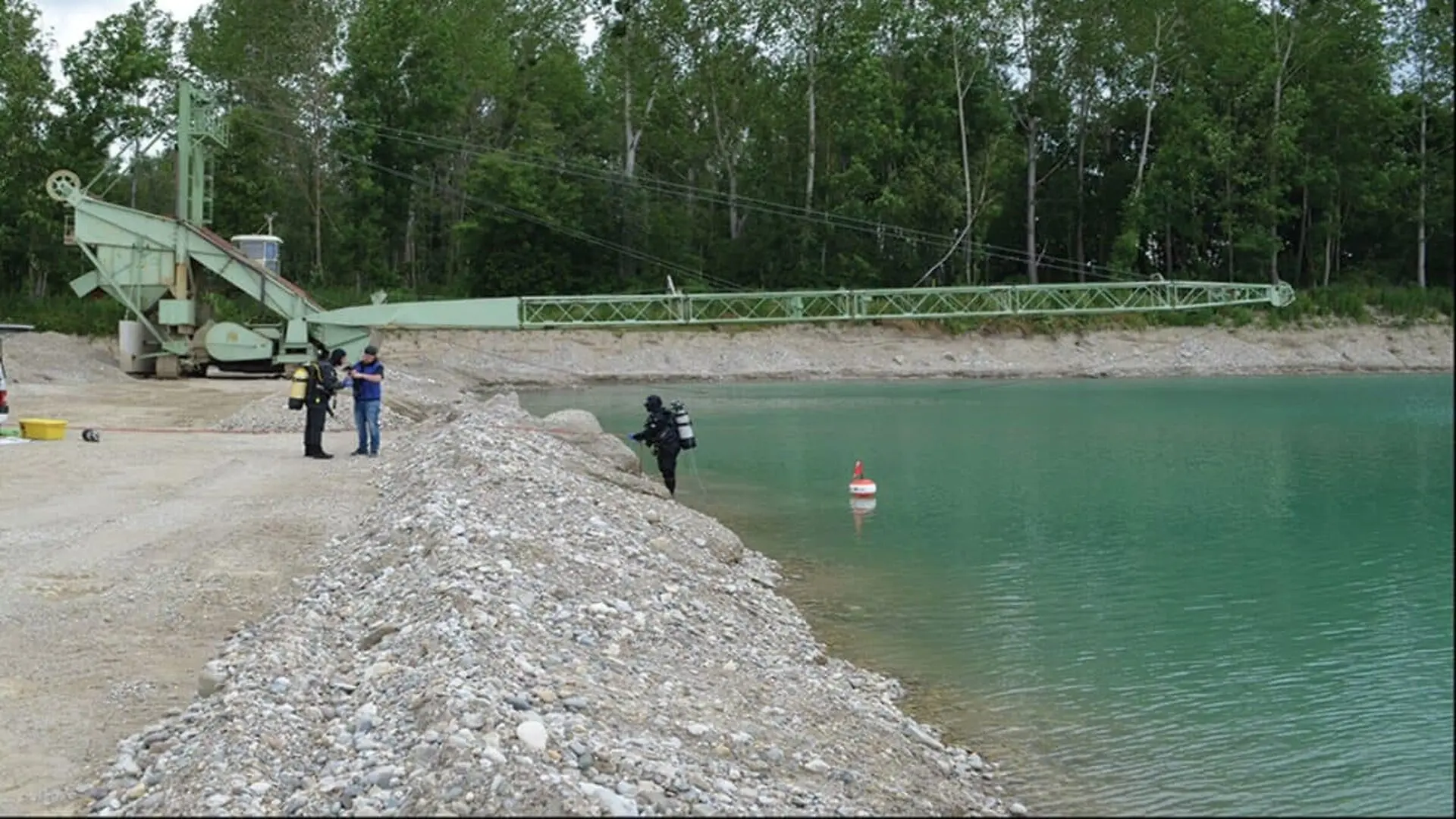
An accidental discovery by workers extracting gravel from the Danube River in 2019 has unveiled the largest cache of Iron Age metal bars ever unearthed in Europe. Dating back approximately 2,200 years, the massive collection—weighing more than 1,000 kilograms—was nearly lost to history, as such iron artifacts are frequently overlooked or discarded as scrap due to their heavily corroded state.
The discovery occurred near the town of Deinham in Austria’s Eferding district. Following the recovery, the material was transferred to the Federal Monuments Office and subsequently to the Oberösterreichische Landes-Kultur GmbH in Linz for expert analysis. A formal assessment of the haul, conducted by researchers Peter Trebsche and Marion Berranger, has now been published in the journal Antiquity.
A Massive Shipment of Prehistoric Raw Materials
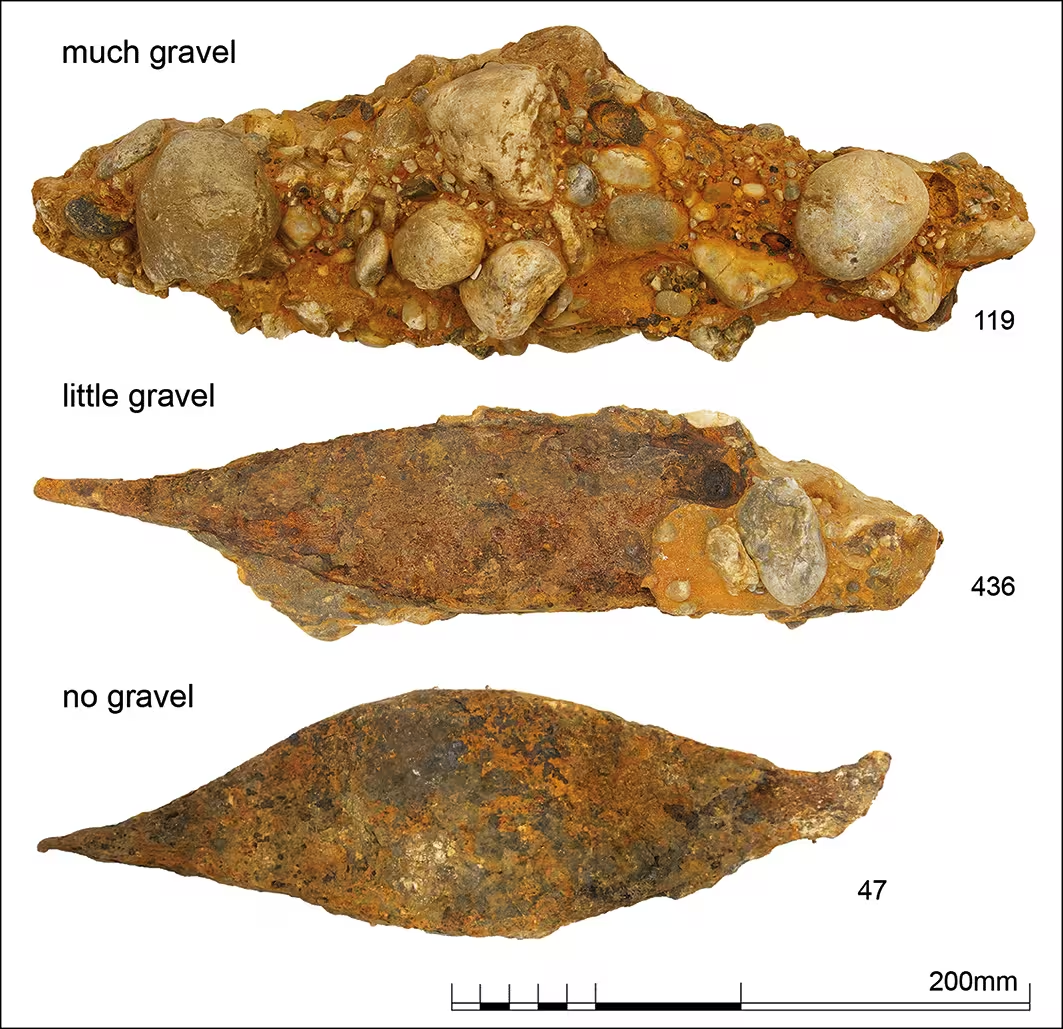
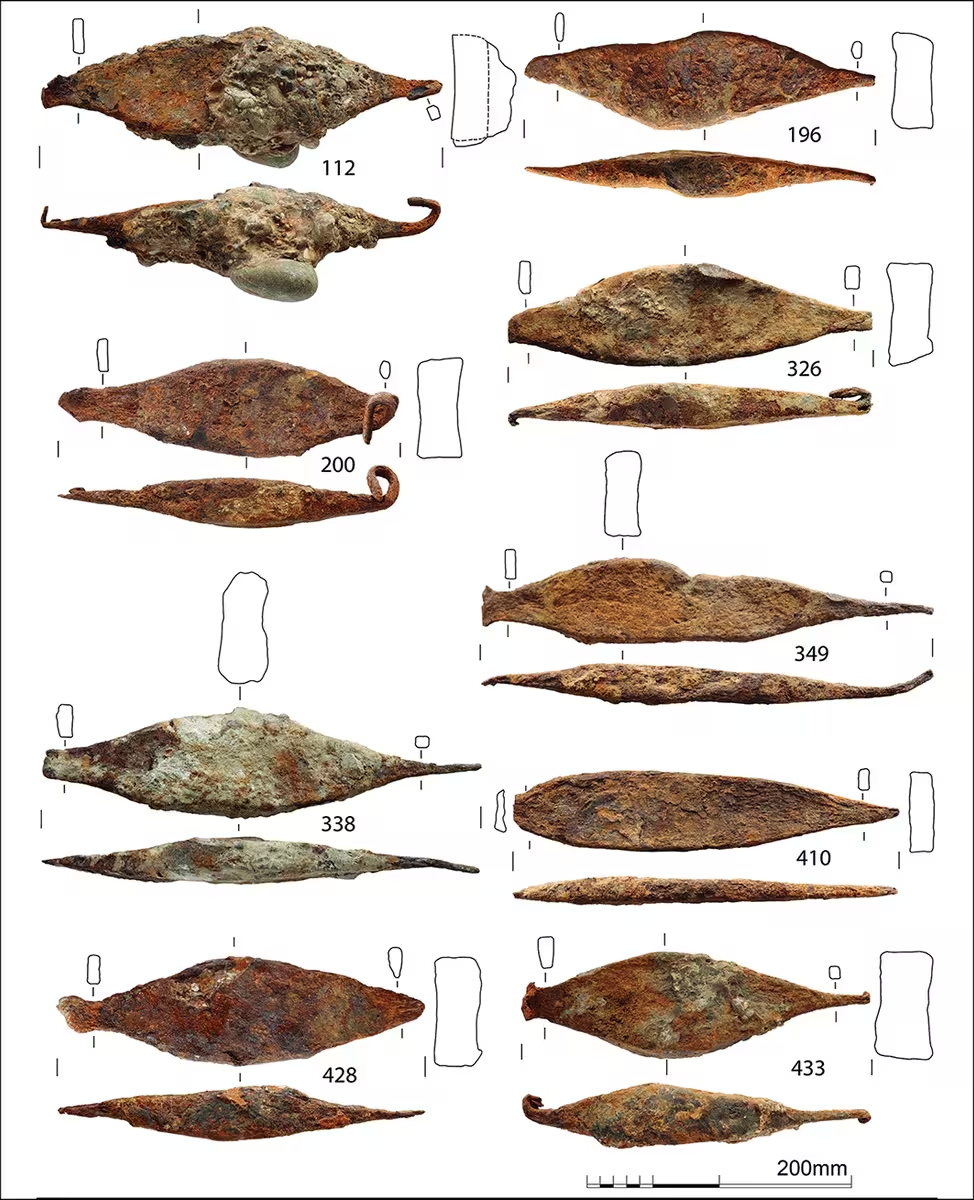
The site yielded 540 distinct iron fragments, which investigators reconstructed into 519 individual bars. Remarkably, 500 of these items remain at least half intact, despite spending over two millennia submerged in the riverbed. Rather than finished tools or weaponry, these objects served as standardized iron semi-products—raw ingots intended for secondary forging.
The total weight of the cargo, approximately 1,035 kilograms, represents a significant industrial load for the period. Estimates suggest the stash contained sufficient material to supply roughly 500 swords for soldiers, or alternatively, the iron required to manufacture the vast number of nails needed for major defensive fortifications, such as those found at the Iron Age site of Manching.
Evidence of an Ancient River Disaster
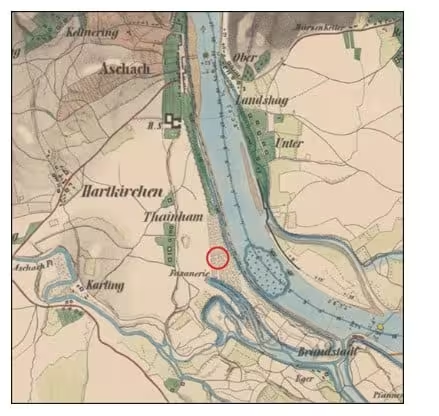
Archaeologists considered whether the bars were placed in the river as part of a ceremonial ritual, a common practice in the region during the Iron Age. However, the nature of this particular assemblage does not align with traditional patterns of ritual deposition. Instead, the research team concludes that the most logical explanation is a shipwreck. The cargo appears to have been in transit along the Danube during the 3rd century B.C.E. when the vessel carrying it capsized, sealing the metal in the riverbed for more than 2,000 years.
Pinpointing the Source of the Iron
While the intended destination of the shipment remains a mystery, the logistical constraints of ancient water travel suggest the iron originated from an area upstream. Scholars are looking toward Bavaria, known for its significant iron-smelting centers during this era, as the likely point of origin. Ongoing trace element analysis of the ingots is expected to confirm the geographical source of the material.
This discovery provides an invaluable perspective on the scale of industrial production and regional commerce during the third and second centuries B.C.E., highlighting the sophisticated supply chains that supported Iron Age society.
This article has been fact checked for accuracy, with information verified against reputable sources. Learn more about us and our editorial process.
Last reviewed on .
Article history
- Latest version
Reference(s)
- Trebsche, Peter. “A sunken ship cargo of 500 bipyramidal bars? Implications for La Tène period iron production and trade along the Danube | Antiquity | Cambridge Core.”, pp. 1-20. Cambridge Core, doi: 10.15184/aqy.2026.10404. <https://www.cambridge.org/core/journals/antiquity/article/sunken-ship-cargo-of-500-bipyramidal-bars-implications-for-la-tene-period-iron-production-and-trade-along-the-danube/3F275418F4B928232BEC1F26B3B30A30>.
Cite this page:
- Posted by David Anderson