Road Markings Shed Hundreds of Tons of Microplastics Every Year
A new action plan reveals how better procurement and smarter street design can curb hidden plastic pollution from traffic lines.
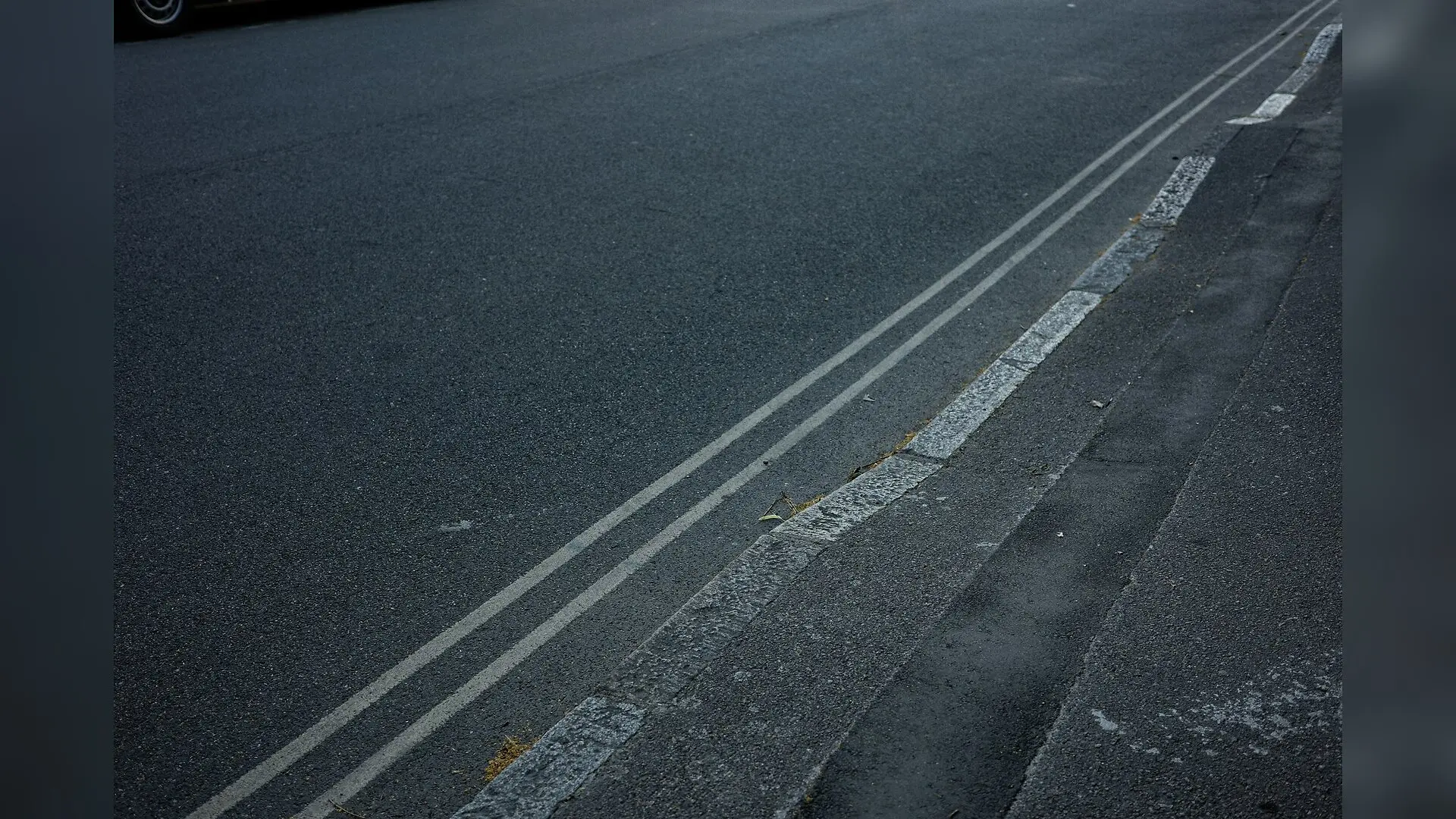
Road markings shed up to 570 tons of plastic fragments every year in Sweden alone, yet environmental standards for these painted guides remain largely absent from modern transport policies. Vehicles grinding over stripes on asphalt create significant quantities of microplastic pollution, especially in northern regions where harsh winters and metal-studded tires accelerate the erosion of paint and thermoplastics.
To tackle this overlooked source of environmental contamination, researchers developed a comprehensive guide for road authorities detailing how smarter procurement, higher-quality materials, and reduced application can curb plastic pollution. The findings were published in the book Re-Generation in Transport by Ida Järlskog, Hanna Fager, Mats Gustafsson, and Ivan Ridderstedt from the Swedish National Road and Transport Research Institute (VTI).
Why Traffic Stripes Scatter Microscopic Plastic Across Ecosystems
While most discussions about traffic-related microplastics focus on rubber particles shed by car tires, road markings contribute an additional layer of synthetic polymers directly onto asphalt surfaces. These markings rely on durable chemical binders, pigments, and glass beads to ensure drivers can see lanes at night and during heavy rainstorms. Over time, constant wheel friction grinds these materials into microscopic bits ranging from 0.1 to 5,000 micrometers in size.
In Nordic countries, the problem intensifies due to the widespread use of winter tires outfitted with metal studs. These studs carve into both the pavement and the painted lines, flinging fine polymer debris into the surrounding air, soil, and waterways. Although tire wear remains the largest single source of such emissions in Sweden, generating thousands of tons annually, road markings account for a notable share that has escaped strict regulatory oversight until now.
How Better Procurement and Recessed Grooves Cut Down Plastic Wear
The newly introduced action plan urges municipalities and national road agencies to move away from low-cost purchasing models. Contracts typically favor the cheapest bid, which often results in inferior materials that degrade rapidly under heavy traffic. Instead, the authors recommend awarding projects based on the best price-quality ratio and requiring certified products with documented durability, such as thermoplastics capable of withstanding millions of wheel-passages.
Can Cutting Back on Decorative Paint Save the Environment?
Another major recommendation involves rethinking where and how painted lines are applied across urban streets. Fully coloring large bicycle lanes, pedestrian crossings, and parking spaces consumes vast amounts of plastic material without necessarily improving safety. Studies cited in the work suggest that drivers often notice cyclists before they notice colored asphalt, meaning authorities can safely replace full-surface coatings with simpler symbols, roadside signs, or colored stone.
Furthermore, sinking edge and center lines into milled grooves in the pavement protects the material from direct contact with snowplows and studded tires. While milling grooves increases initial construction expenses, countries like Norway have seen overall wear drop by up to 50 percent, dramatically extending the lifespan of the markings and reducing the frequency of hazardous repainting.
What Challenges Remain for Recyclable Road Infrastructure?
Despite these proactive strategies, significant hurdles remain in managing road marking waste at the end of its functional life. Large-scale recycling methods for these specific polymer materials are still lacking, meaning old paint and thermoplastic residues are often removed via milling or water blasting during road resurfacing without straightforward pathways for reuse. The authors emphasize that combining stricter European Green Public Procurement criteria with independent third-party inspections will help ensure contractors apply materials correctly and maintain them effectively, paving the way for a more sustainable transport network.
The research was published in Re-Generation in Transport on November 18, 2026.
This article has been fact checked for accuracy, with information verified against reputable sources. Learn more about us and our editorial process.
Last reviewed on .
Article history
- Latest version
Reference(s)
- Järlskog, Ida., et al. “Reducing Microplastic Pollution from Road Markings: A Practical Framework for Municipalities and Stakeholders.” Lecture Notes in Mobility, November 18, 2026, pp. 788-795. Springer Nature Switzerland, doi: 10.1007/978-3-032-36101-1_94. <https://doi.org/10.1007/978-3-032-36101-1_94>.
Cite this page:
- Posted by Anjali Singh