Hidden Pollution From Car Tires and Asphalt Sparks New Push for Regulation
Researchers evaluate innovative road materials and tire properties to tackle the largest source of modern traffic pollution.
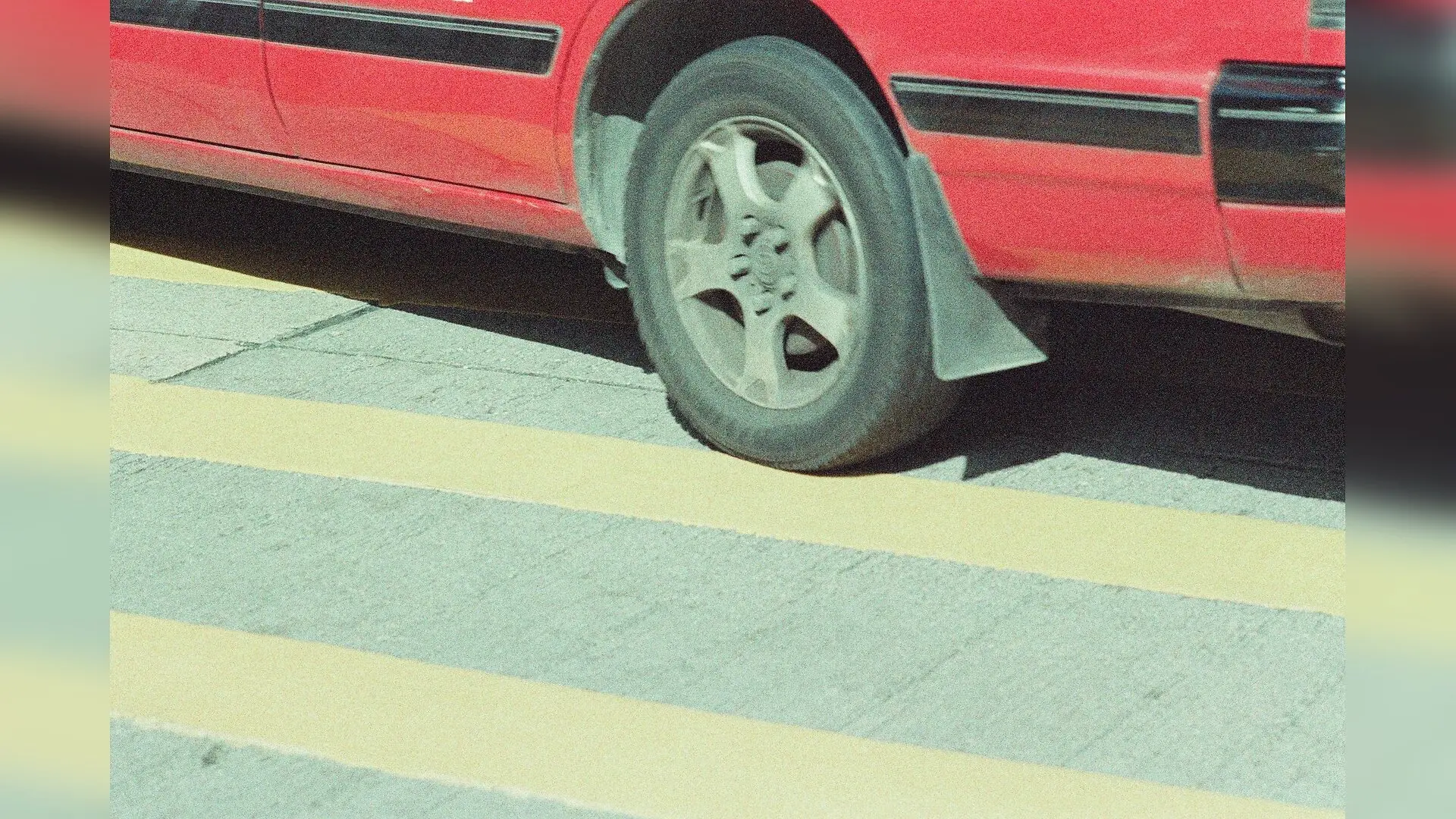
When cars roll down a highway, the friction between rubber and asphalt sheds billions of tiny particles into the air that people breathe every day. These invisible pollutants, known as non-exhaust emissions, now make up the largest share of traffic-related particle pollution because tailpipe filters have successfully cleaned up exhaust over the last few decades. While tailpipes face strict legal limits, particles from tires, brakes, and road surfaces remain largely unregulated. Researchers are now stepping up to tackle this hidden hazard through the European Union-backed Life-NEEVE project, which recently published its comprehensive progress report as detailed in a study published in Re-Generation in Transport.
How Tires and Asphalt Create Hidden Air Pollution
Unlike engine exhaust, which consists mostly of combustion byproducts, non-exhaust emissions are a chaotic mix of rubber fragments, mineral road dust, and metallic brake debris. Tires wear down continuously due to vehicle weight, acceleration, and braking, creating microscopic pieces of tread rubber that mix with pulverized pavement. These particles range from coarse grains to ultrafine aerosols that can travel deep into human lungs. In regions where drivers use metal-studded winter tires to grip icy roads, pavement abrasion accelerates dramatically, sending massive plumes of mineral dust into the atmosphere. Vehicles then churn up these accumulated deposits from the road surface, creating a secondary wave of air pollution.
What Laboratory Tests Reveal About New Pavement Designs
To find out how to curb these emissions, the project team evaluated five distinct asphalt pavement designs in a laboratory setting, including stone mastic asphalt, porous asphalt, and a hybrid alternative. The researchers subjected these materials to rigorous mechanical, friction, and wear tests to see how different rock aggregates and surface textures held up under stress. They discovered that stone mastic asphalt exhibited the highest wear resistance, losing only about 1.4 to 1.5 percent of its mass during testing, thanks to its stone-on-stone contact structure. Porous asphalt showed lower wear resistance due to its open structure, but it offered exceptional drainage capacity and texture depth, which helps trap dust and prevent it from blowing back into the air. Meanwhile, the newly developed hybrid asphalt demonstrated a balance of high mechanical strength, excellent rutting resistance, and durability close to standard stone mastic mixes.
Why Rubber Hardness and Driving Habits Matter
The study also breaks down the complex factors driving tire wear on the road. Tire composition is a delicate balancing act known in the industry as the magic tyre triangle, where engineers try to optimize wet grip, rolling resistance, and wear resistance all at once. Softer rubber compounds generally shed more particles under heavy loads, and electric vehicles add extra wear because of their heavy battery packs and high immediate torque. Front tires degrade faster than rear ones due to steering and braking forces, and aggressive driving or high speeds multiply the rate of particle shedding. The choice of aggregate rock embedded in the asphalt also plays a critical role, with porphyry emerging as the top-performing aggregate for balancing skid resistance and durability.
What Happens Next for Traffic Regulations
While upcoming regulations aim to address brake and tire wear, the researchers emphasize that road surface abrasion and dust resuspension must also be factored into future environmental policies. The insights gathered by the project consortium provide a scientific foundation for updating standards beyond current proposals. The next phases of the research involve testing these innovative pavement formulas under real traffic conditions and pitting specially designed low-abrasion tires against conventional models to see how they perform in the real world.
The research was published in Re-Generation in Transport on November 18, 2026.
This article has been fact checked for accuracy, with information verified against reputable sources. Learn more about us and our editorial process.
Last reviewed on .
Article history
- Latest version
Reference(s)
- Gustafsson, Mats., et al. “Non-exhaust Emissions from the Tyre and Road Surface Interface – The Life-NEEVE State-of-the-art and Project Progress.” Lecture Notes in Mobility, November 18, 2026, pp. 839-845. Springer Nature Switzerland, doi: 10.1007/978-3-032-36101-1_100. <https://doi.org/10.1007/978-3-032-36101-1_100>.
Cite this page:
- Posted by Bilal Abbasi