Nearly 400,000 West Virginia Painkiller Prescriptions Reveal Hidden Opioid Risks
A multi-year analysis of state health data shows tramadol dispensing dropped by 35 percent, but heavy usage persisted in vulnerable rural communities.

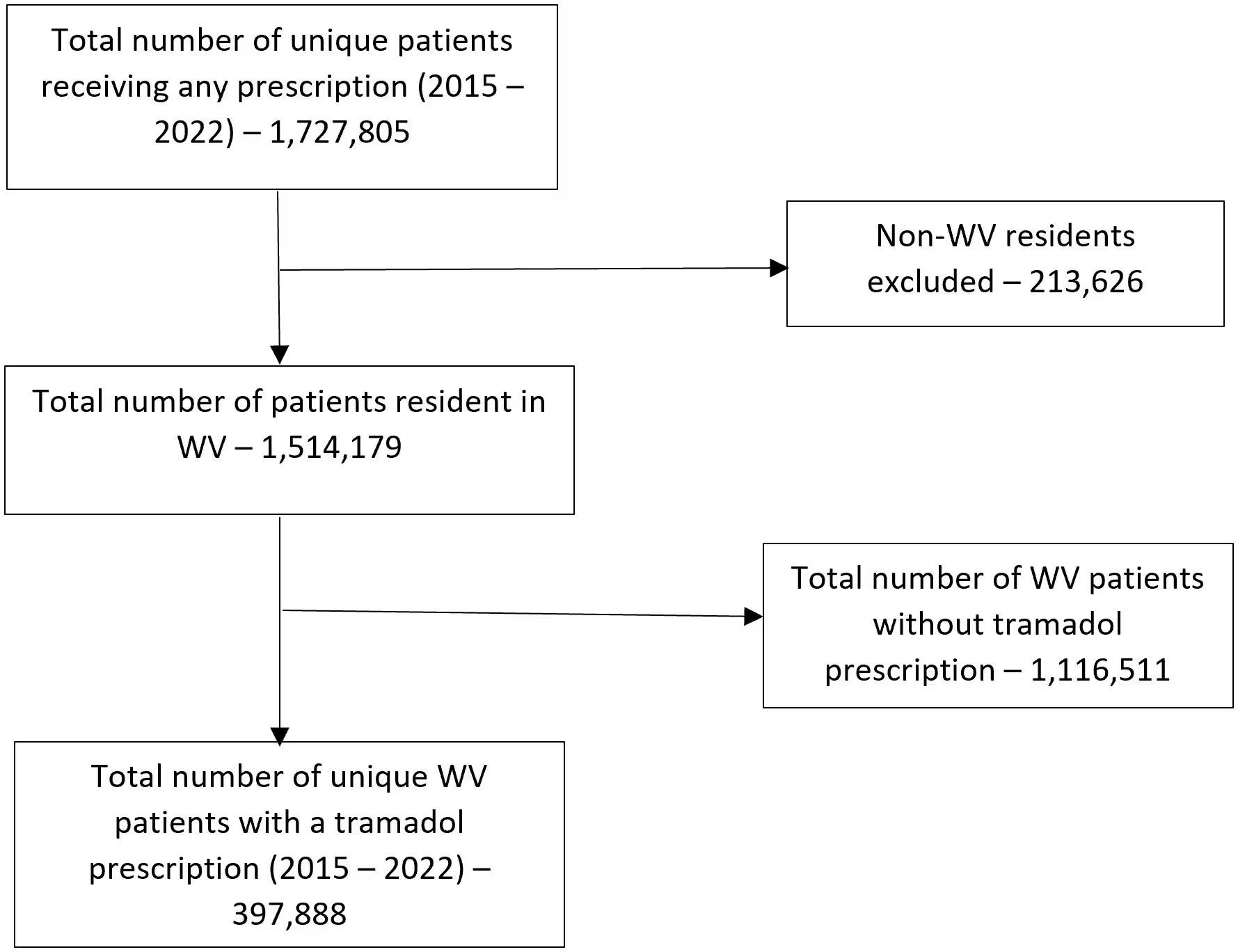
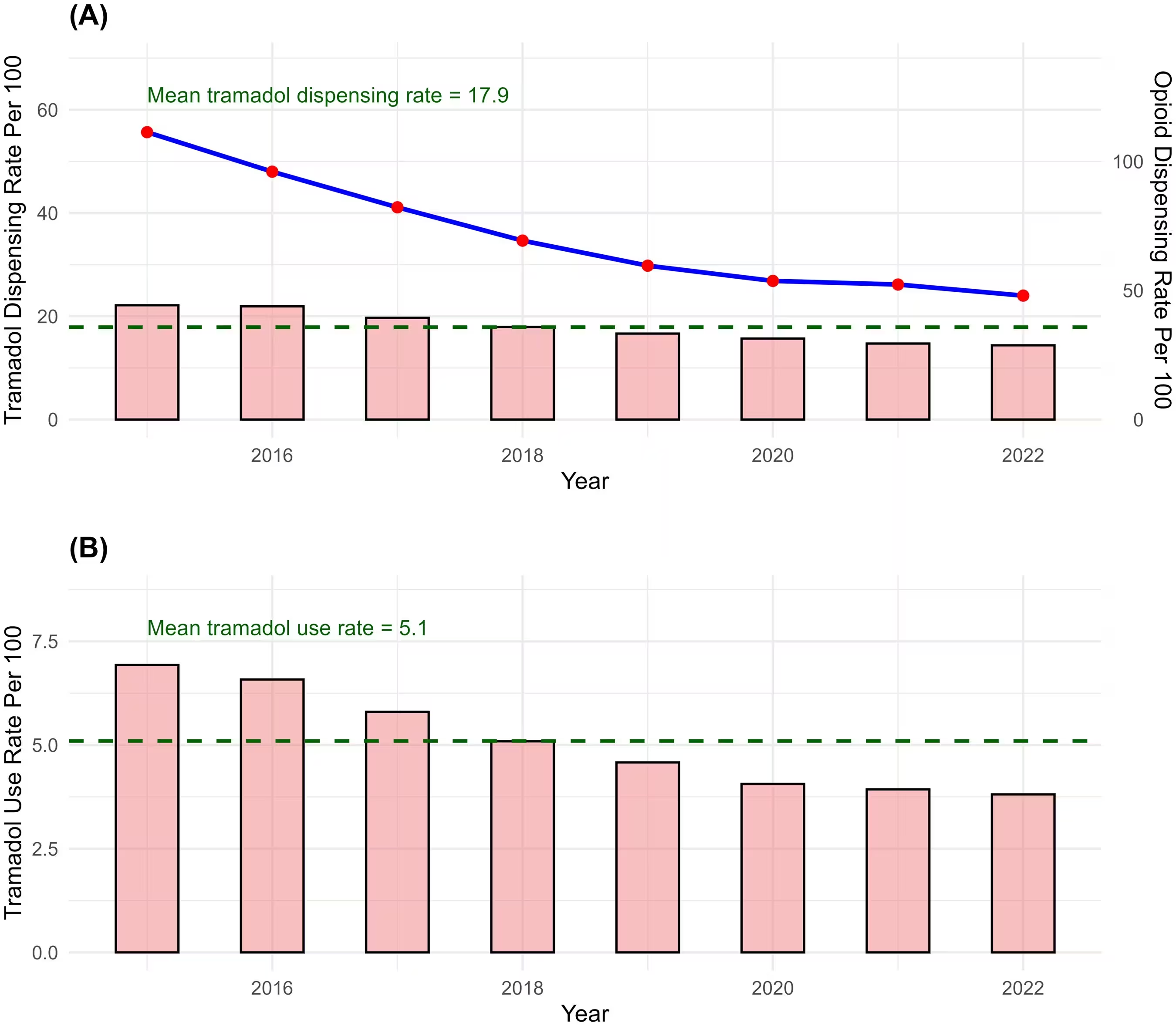
Nearly 400,000 residents in West Virginia filled prescriptions for the synthetic opioid painkiller tramadol between 2015 and 2022, revealing stark geographic and social divides in how the medication is distributed across the state. While overall prescriptions for the drug fell by 35 percent over the eight-year study period, usage remained stubbornly high in rural, economically distressed counties with high rates of physical inactivity and poor health. The retrospective analysis was published in PLOS One by a team of researchers examining state health data.
How County Health Factors Shape Painkiller Distribution
The research team utilized records from the West Virginia Controlled Substances Monitoring Program alongside federal census figures and county health rankings to evaluate dispensing patterns. They tracked nearly 398,000 non-institutionalized patients who filled at least one tramadol prescription annually. Statistical models revealed that counties with elevated rates of uninsured residents, unemployment, and severe housing problems experienced significantly higher tramadol dispensing rates. Furthermore, areas with a higher density of primary care providers also recorded heavier prescribing volumes.
Geographic analysis showed pronounced regional clustering. Southern counties such as Wyoming, McDowell, and Mercer recorded some of the highest average dispensing and opioid use rates in the state. In contrast, northern areas exhibited different risk profiles, where older adult populations and uninsured rates drove heavier utilization. Researchers noted that women accounted for just over 50 percent of recipients across all categories, while commercial insurance covered more than half of the filled prescriptions.
What the Trends Reveal About Dosage and Dangerous Drug Combinations
Most patients, roughly 81 percent, received average daily doses below 50 morphine milligram equivalents, a standardized measure used to quantify opioid potency. However, nearly 20 percent of recipients exceeded that threshold, with high-dose prescribing notably concentrated among adults aged 50 to 64. Tramadol is metabolized by liver enzymes into an active compound that binds to opioid receptors while also blocking serotonin and norepinephrine reuptake, making individual response highly variable.
Alarmingly, more than 30 percent of tramadol users filled concurrent prescriptions for other central nervous system depressants in the same month. While traditional opioids were common co-prescriptions early in the study period, gabapentinoids surpassed them by 2019 following regulatory reclassification. Researchers emphasize that combining tramadol with benzodiazepines or gabapentin significantly increases the risk of fatal respiratory depression, severe sedation, and accidental overdose.
What Are the Study Limits and Next Steps for Oversight?
Because the investigation relied on pharmacy dispensing databases rather than direct patient interviews, authors caution that the data reflects medication distribution rather than actual consumption or patient adherence. The ecological study design also limits conclusions to population-level associations rather than individual cause and effect. Furthermore, the dataset lacked specific details regarding patient medical diagnoses, pain severity, and prescriber medical specialties.
Despite these limitations, the findings highlight the urgent need for targeted public health interventions and closer physician monitoring in vulnerable communities. Investigators suggest that addressing underlying social determinants of health, such as chronic disease burden and lack of insurance, could ultimately reduce reliance on prescription analgesics and curb statewide overdose risks.
The research was published in PLOS One on November 17, 2026.
This article has been fact checked for accuracy, with information verified against reputable sources. Learn more about us and our editorial process.
Last reviewed on .
Article history
- Latest version
Reference(s)
- Eze, Chisom D.., et al. “Evaluating tramadol dispensing patterns and association with county-level social determinants of health (2015 to 2022): A retrospective ecological study.” PLOS One, vol. 21, no. 11, November 17, 2026, pp. e0336835 Public Library of Science (PLoS), doi: 10.1371/journal.pone.0336835. <https://doi.org/10.1371/journal.pone.0336835>.
- Posted by David Anderson