Soybean Genetic Audit Uncovers 29 Candidate Genes Linked to Cold Stress Responses
Researchers map homeodomain-leucine zipper IV genes in soybeans, revealing evolutionary constraints and time-dependent expression shifts under low temperatures.
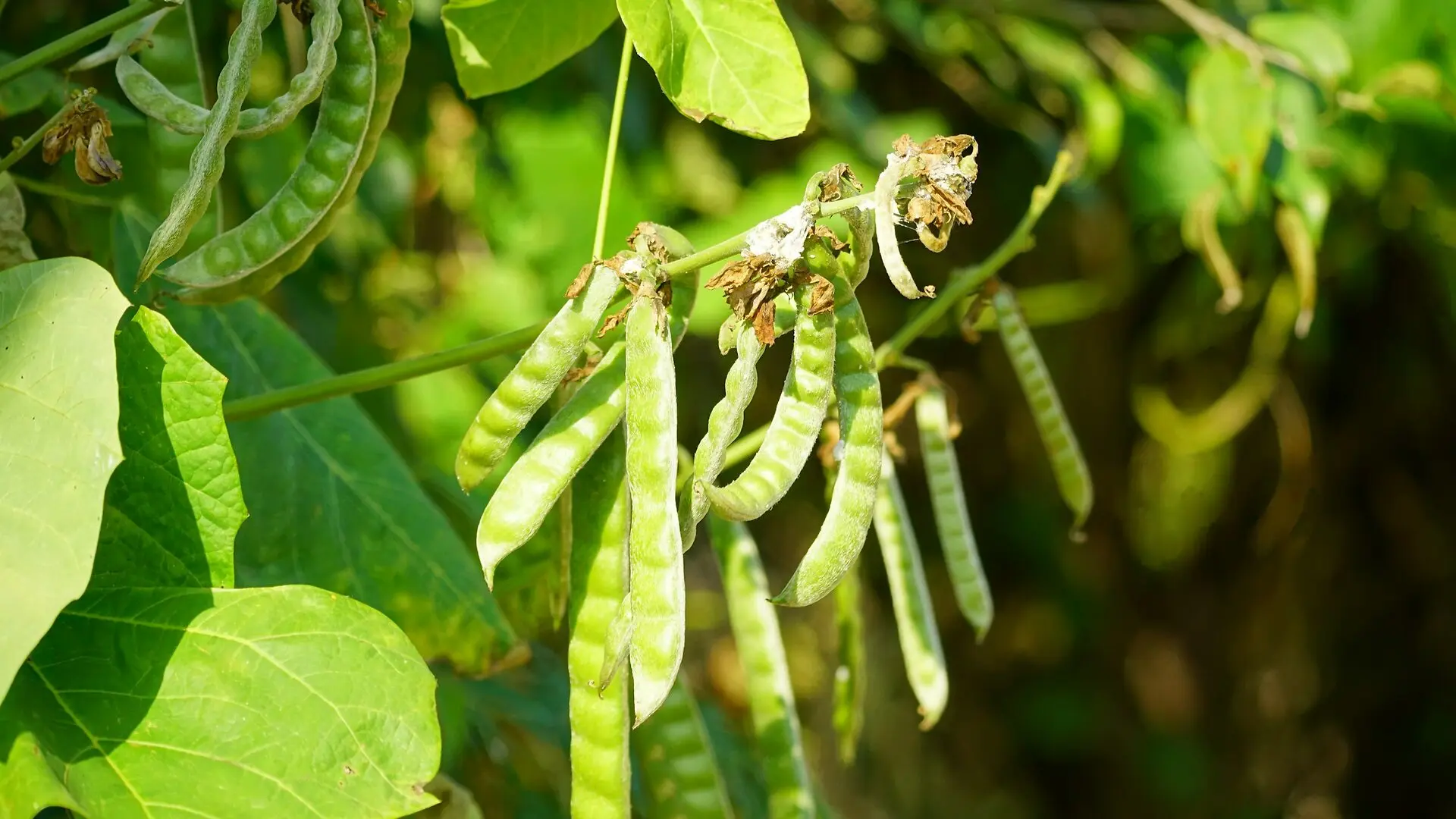
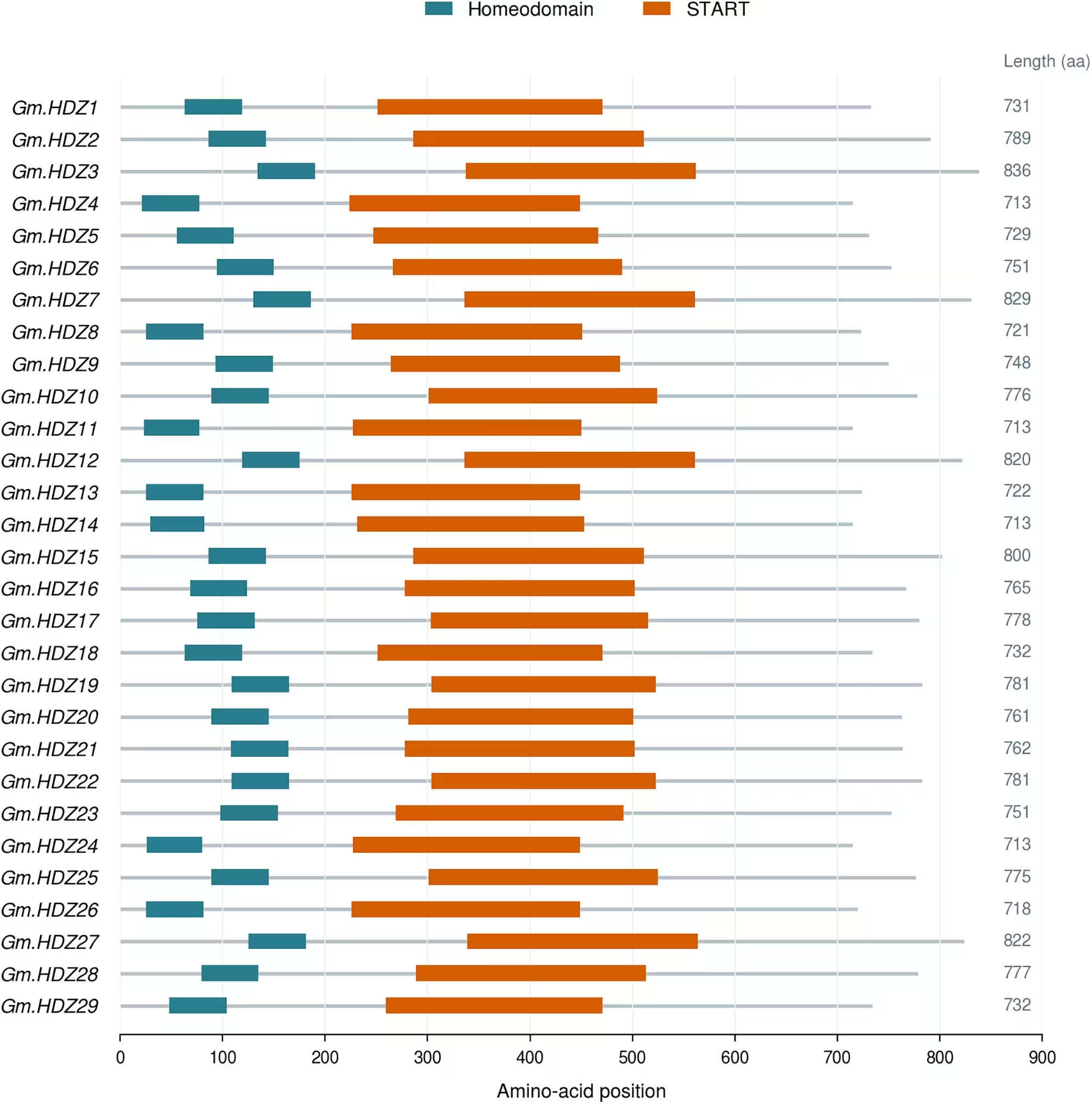
A comprehensive genomic audit of 29 soybean homeodomain-leucine zipper IV candidate genes reveals how these vital regulatory proteins respond to cold stress across different plant cultivars. The research, published in PLOS One, details the structural features, evolutionary pressures, and temporal expression patterns of this specific gene group in Glycine max.
How Genomic Complexity Shapes Soybean Stress Adaptations
Transcription factors govern gene expression by binding to targeted DNA sequences, thereby directing complex developmental processes and adaptive responses to environmental stimuli. The homeodomain-leucine zipper (HD-ZIP) family is a plant-specific class defined by a homeodomain for DNA binding and a leucine zipper motif for protein dimerization. Soybean, as a globally important legume crop providing essential protein and oil, frequently encounters abiotic stresses like drought, salinity, and extreme temperatures. Because the soybean genome underwent two whole-genome duplication events approximately 59 million and 13 million years ago, it possesses a complex paleopolyploid architecture with extensive gene retention.
In this investigation, researchers led by Kenzhen Zhao and colleagues analyzed the Wm82.a4.v1 annotation dataset, uncovering 95 loci displaying family-associated domain architectures. Among these, 54 exhibited patterns associated with subfamilies I and II, 12 showed subfamily III traits, and 29 possessed subfamily IV patterns featuring both homeodomain and START domains without a detected MEKHLA domain. These 29 selected IV candidates were distributed unevenly across 15 of the 20 soybean chromosomes, with chromosome Gm09 containing the highest concentration of six genes.
What Evolutionary Constraints and Network Analyses Reveal
Pairwise substitution rate analyses demonstrated that all 122 finite gene pair estimates yielded nonsynonymous to synonymous substitution ratios below 1.0. This pattern indicates that the analyzed coding sequences experienced strong purifying selection constraint during their evolution. However, high synonymous divergence values and saturated comparisons limited the reliability of precise duplication dating.
Network topology evaluations utilizing general co-expression data showed considerable variation in candidate connectivity. For instance, gene Gm.HDZ14 displayed the highest degree of connectivity with 152 distinct neighboring genes and ranked highest in cumulative association strength. Meanwhile, Gm.HDZ16 exhibited the highest normalized unweighted betweenness centrality, highlighting how different metrics prioritize distinct network hubs.
Which Genes Drive Genotype-Dependent Cold Responses
Secondary analysis of a public expression dataset involving a cold-sensitive cultivar called DS17 and a cold-tolerant cultivar named KD52 exposed dynamic transcriptional shifts following exposure to 6 degrees Celsius for 2, 4, and 8 hours. Genotype-dependent temporal expression contrasts identified 11, 8, and 8 responsive candidates at those respective time points under strict statistical criteria.
Three specific candidates, namely Gm.HDZ6, Gm.HDZ19, and Gm.HDZ22, met the stringent criteria across all three treatment durations. While Gm.HDZ6 consistently maintained negative temporal contrast estimates, Gm.HDZ19 and Gm.HDZ22 shifted from negative estimates at 2 hours to positive estimates at 4 and 8 hours. Seven other candidates were excluded from expression analysis due to low read counts, underscoring that their lack of estimable statistics stems from filtering thresholds rather than biological silence. The authors note that while these findings outline valuable targets for future crop improvement, independent experimental validations and functional assays remain necessary to confirm their exact physiological roles in cold tolerance.
The research was published in PLOS One on November 18, 2026.
This article has been fact checked for accuracy, with information verified against reputable sources. Learn more about us and our editorial process.
Last reviewed on .
Article history
- Latest version
Cite this page:
- Posted by Faisal Qureshi