New Research Links Past Fossil Fuel Emissions to Decades of Future Climate Disasters
Past emissions from the world’s 178 largest oil, gas, coal, and cement producers will continue to impact our climate for decades, new research warns.
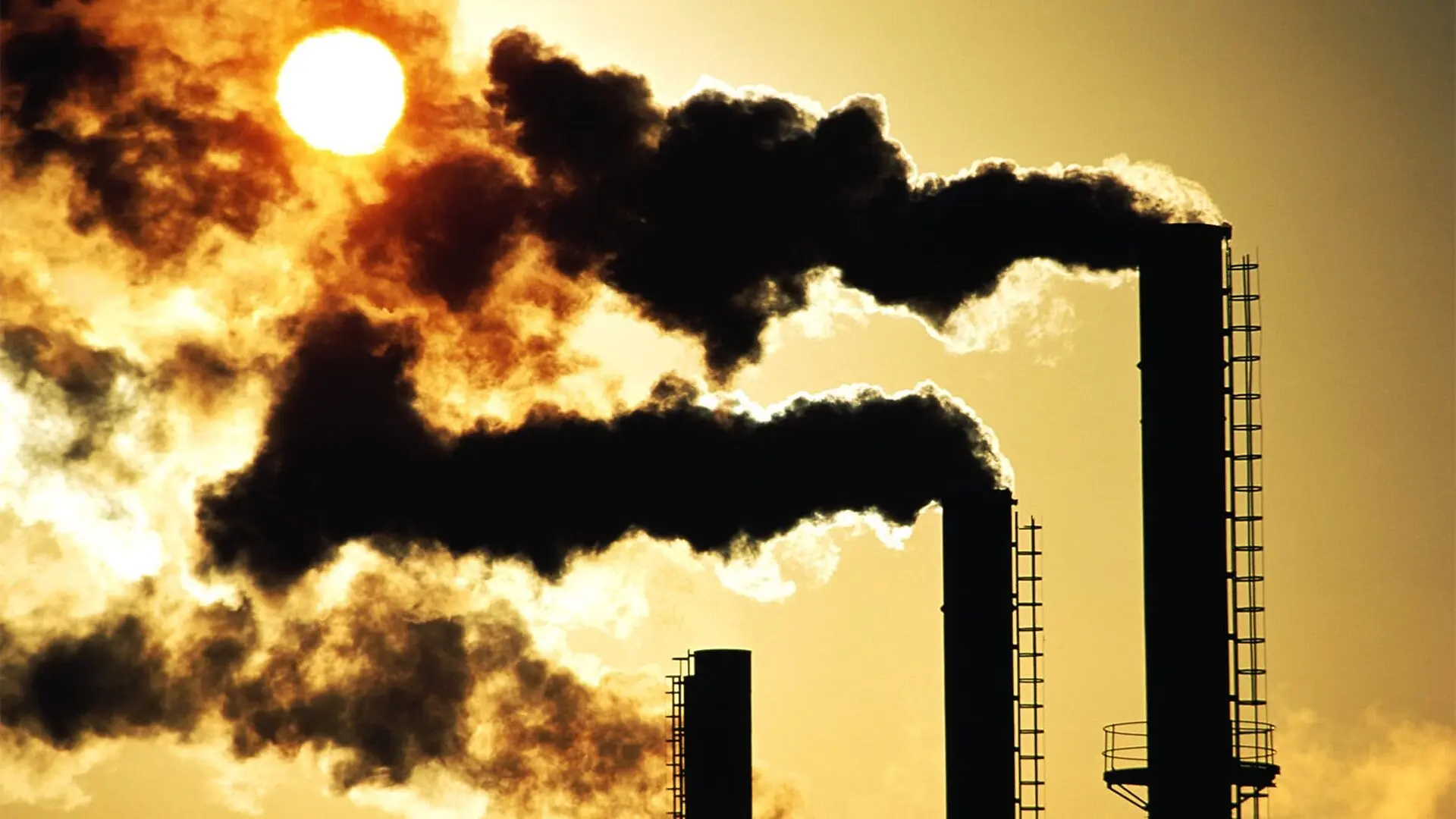
Legacy of Industrial Carbon Emissions Set to Drive Extreme Weather for Generations
The environmental consequences of fossil fuel consumption are far from ephemeral. A new study from the University of Washington indicates that the carbon dioxide already pumped into the atmosphere by the world’s largest oil, gas, coal, and cement producers will continue to exert a warming effect on the planet for decades to come, actively raising the probability of future extreme weather disasters.
While the mechanics of linking specific heatwaves, floods, or storms to broader climate trends have become increasingly precise through advances in attribution science, this research shifts the focus toward the long-term temporal footprint of historic industrial activity. By analyzing the contributions of 178 major carbon-emitting entities, the study underscores that the damage wrought by these corporations is not merely a historical grievance, but an ongoing driver of future atmospheric instability.
The findings, published in PLOS Climate, suggest that the path to climate stability remains blocked by the inertia of past emissions. Even under a hypothetical scenario where global greenhouse gas output ceased immediately, the atmosphere would retain enough carbon dioxide—much of which will persist for millennia—to keep the Earth’s temperature approximately 1.5 degrees Celsius above preindustrial levels.
“We know that fossil fuel emissions have caused a lot of warming, and we’re seeing the impacts of that, but the question is: How long does that warming last into the future?” explains Dargan Frierson, an associate professor of atmospheric and climate science at the University of Washington. “The only stable future is one with no fossil fuels burned at all.”
To model this trajectory, researchers utilized the Finite Amplitude Impulse Response (FaIR) climate model to simulate global temperatures through the year 2500. They compared various emissions pathways, isolating the specific influence of emissions generated by major producers through 2024. The results highlight a persistent accountability gap: regardless of whether global emissions remain high or are curtailed, the warming attributable to the legacy emissions of these major producers remains largely constant.
This decoupling of historical impact from future emissions trajectories carries significant weight for the growing wave of climate litigation. As plaintiffs argue that major energy firms were aware of these long-term risks while allegedly obscuring them, this research provides a scientific basis for claiming that these companies are responsible for events that have not yet occurred. By elevating the baseline temperature, past emissions effectively load the dice for future climate-related catastrophes.
“The amount of warming is calculable and relatively independent of future emissions,” says Frierson. “If there are legal decisions about accountability, the responsibility is not just now, it will continue for many many years into the future.”
Ultimately, the study suggests that the legal and ethical debate over corporate responsibility will likely intensify. As the climate continues to respond to the carbon legacy of the past century, the link between today’s energy production decisions and the extreme weather of the coming decades remains a critical focal point for policymakers and judicial systems alike.
This article has been fact checked for accuracy, with information verified against reputable sources. Learn more about us and our editorial process.
Last reviewed on .
Article history
- Latest version
Reference(s)
- Frierson, Dargan M. W.., et al. “Centuries of global heating from Carbon Majors: Dependence on future emissions pathways.” PLOS Climate, vol. 5, no. 9, September 23, 2026, pp. e0001036 Public Library of Science (PLoS), doi: 10.1371/journal.pclm.0001036. <https://doi.org/10.1371/journal.pclm.0001036>.
Cite this page:
- Posted by Vikram Desai