Routine Vitamin Drops Fail to Boost Blood Levels in Congo Toddlers
A new study in a food-insecure region of the Democratic Republic of the Congo reveals that 14.5 percent of young children suffer from vitamin A deficiency despite supplement campaigns.
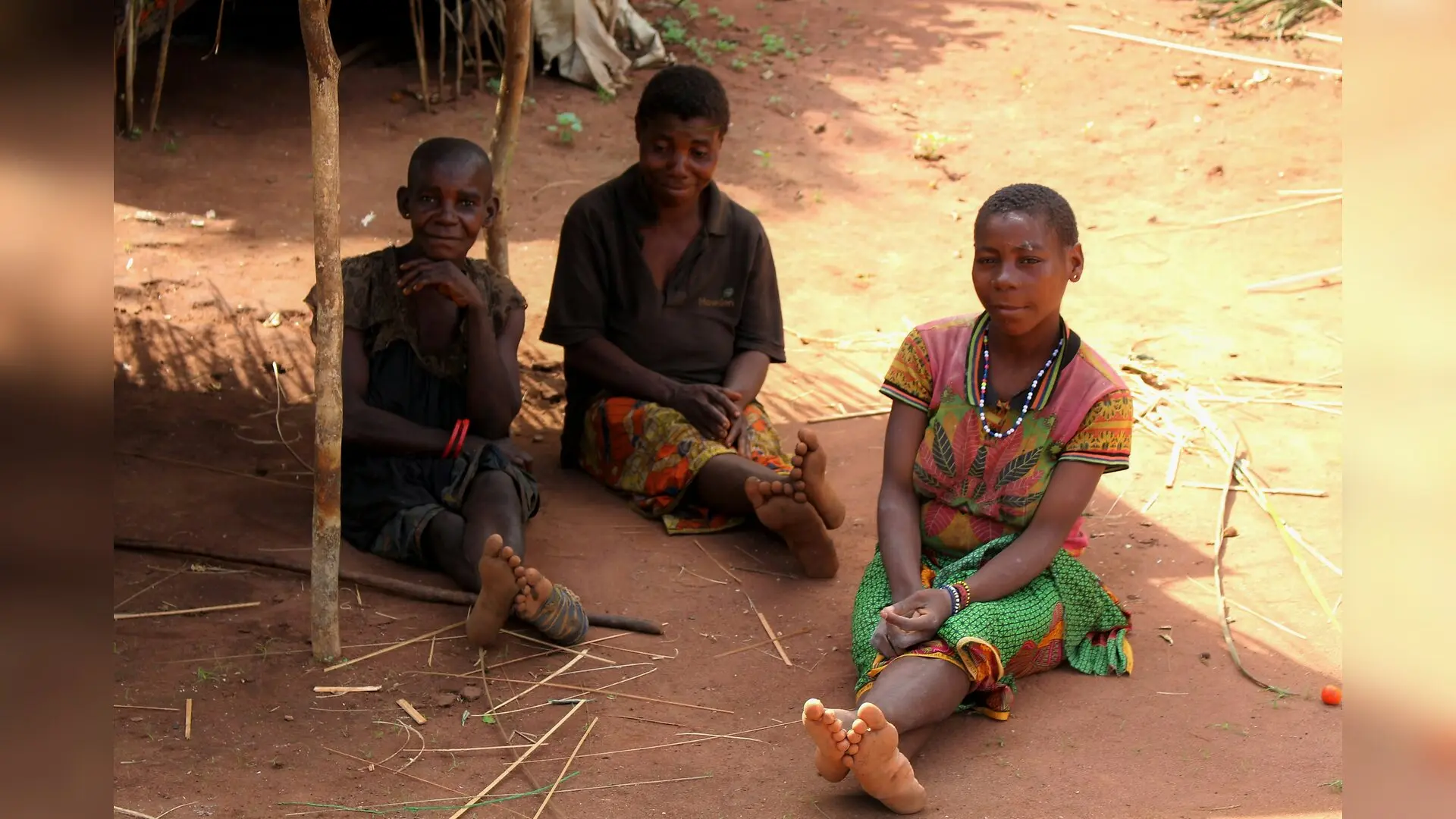
Nearly one in seven young children in a food-insecure corner of the Democratic Republic of the Congo suffers from hidden vitamin deficiencies, according to a nutritional survey. The study highlights that routine vitamin drops alone may not be enough to protect children against long-term health risks without broader improvements in daily meals.
Vitamin A deficiency has historically plagued sub-Saharan Africa, robbing young bodies of the nutrient needed for healthy vision, immune function, and growth. In the Democratic Republic of the Congo, national vitamin A supplementation campaigns were launched more than twenty years ago when assessments revealed that over 60 percent of children lacked sufficient levels. Because comprehensive national surveys have been sparse in recent decades, health researchers wanted to measure the modern burden in specific vulnerable populations.
To investigate the current nutritional landscape, researchers conducted a community-based cross-sectional study between May and June 2025 in the Nzaba health zone of the Kasai-Oriental province. The detailed findings were published in PLOS Global Public Health. The study enrolled 420 children aged 6 to 59 months using a multistage probability cluster sampling technique, though seven out of eighteen health areas had to be excluded due to severe soil erosion that threatened sample transport and blood handling.
How Researchers Measured Vitamin Levels in Remote Communities
Field teams gathered household data on food security, socioeconomic status, and recent diets using structured questionnaires administered on digital tablets. To evaluate true micronutrient status, trained personnel collected approximately 5 milliliters of blood from fasting children in the early morning. Samples were wrapped in aluminum foil in dimly lit rooms to prevent light degradation of the sensitive compounds.
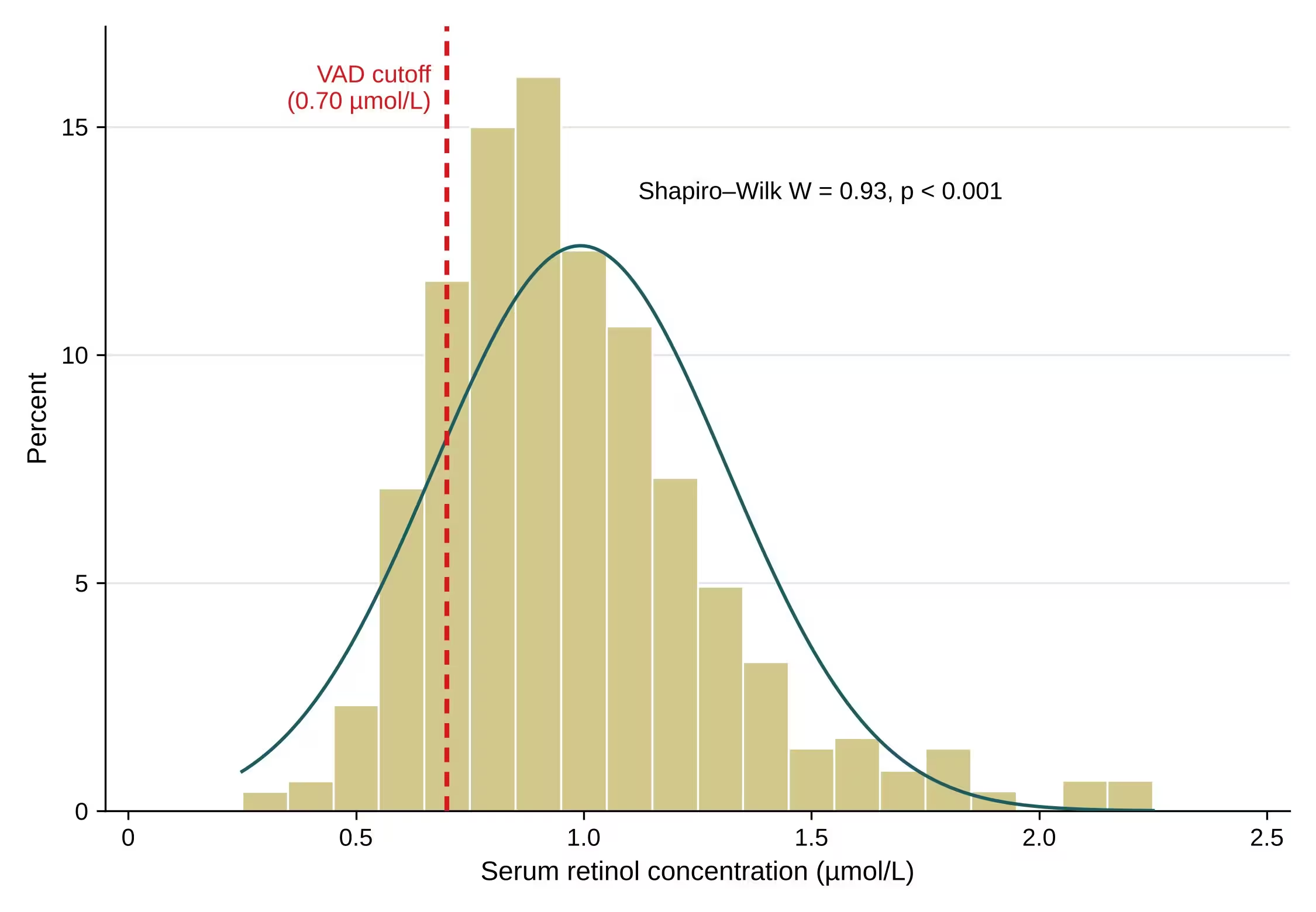
Plasma was separated via centrifugation within two hours and frozen at minus 40 degrees Celsius before being shipped on dry ice to Haukeland Hospital in Bergen, Norway. There, scientists used liquid chromatography-mass spectrometry, a highly sensitive technique, to measure serum retinol concentrations. They also tested for C-reactive protein to detect subclinical inflammation, which can artificially lower or skew vitamin measurements.
What the Biochemical Data Revealed About Deficiency Rates
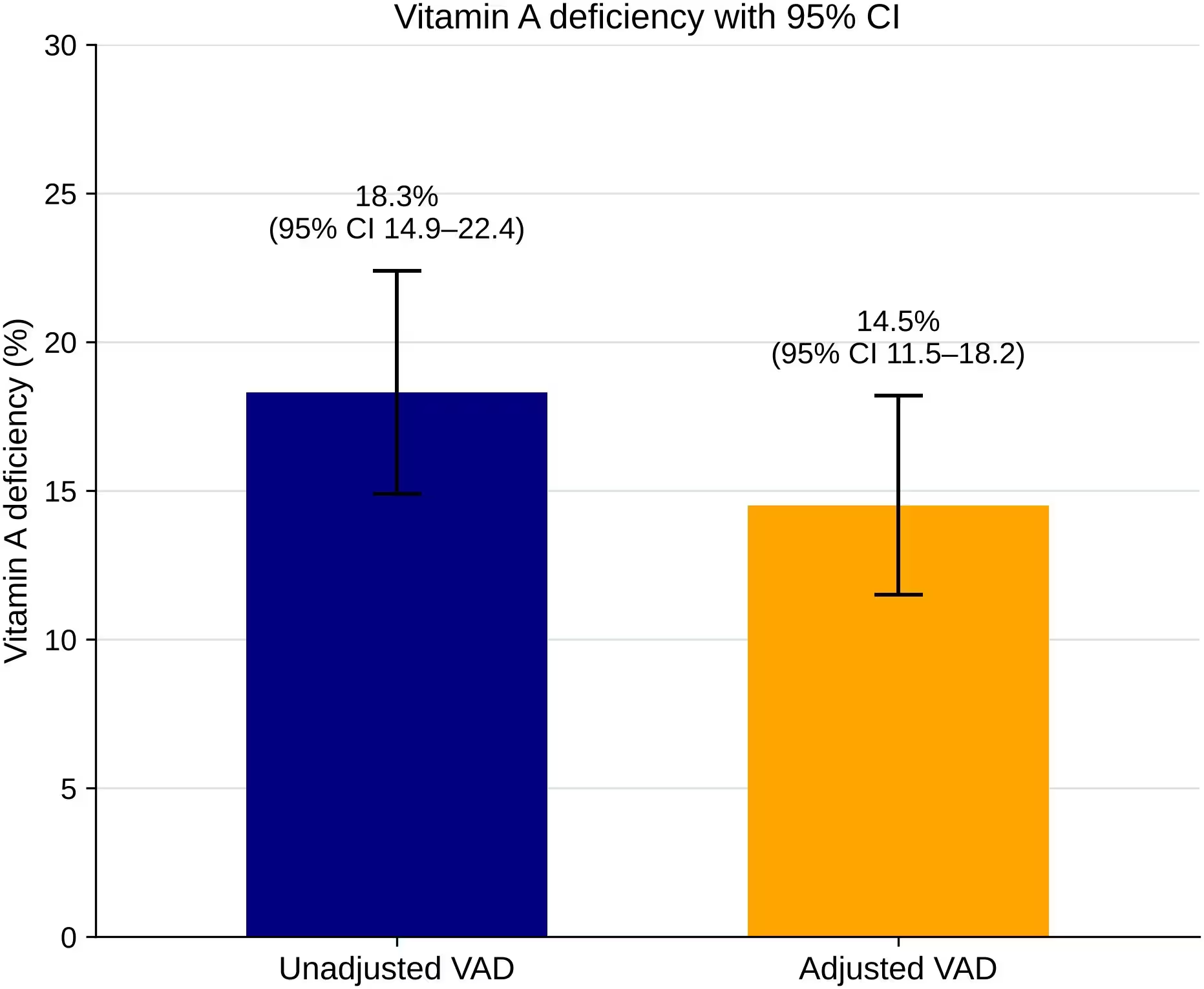
Without adjusting for inflammation, the estimated prevalence of vitamin A deficiency stood at 18.3 percent. After correcting for C-reactive protein levels, the adjusted prevalence dropped to 14.5 percent, placing the condition just below the World Health Organization threshold of 20 percent that defines a severe public health crisis. This figure represents a notable decline compared to historical estimates from decades prior, pointing to partial progress from long-running public health interventions.
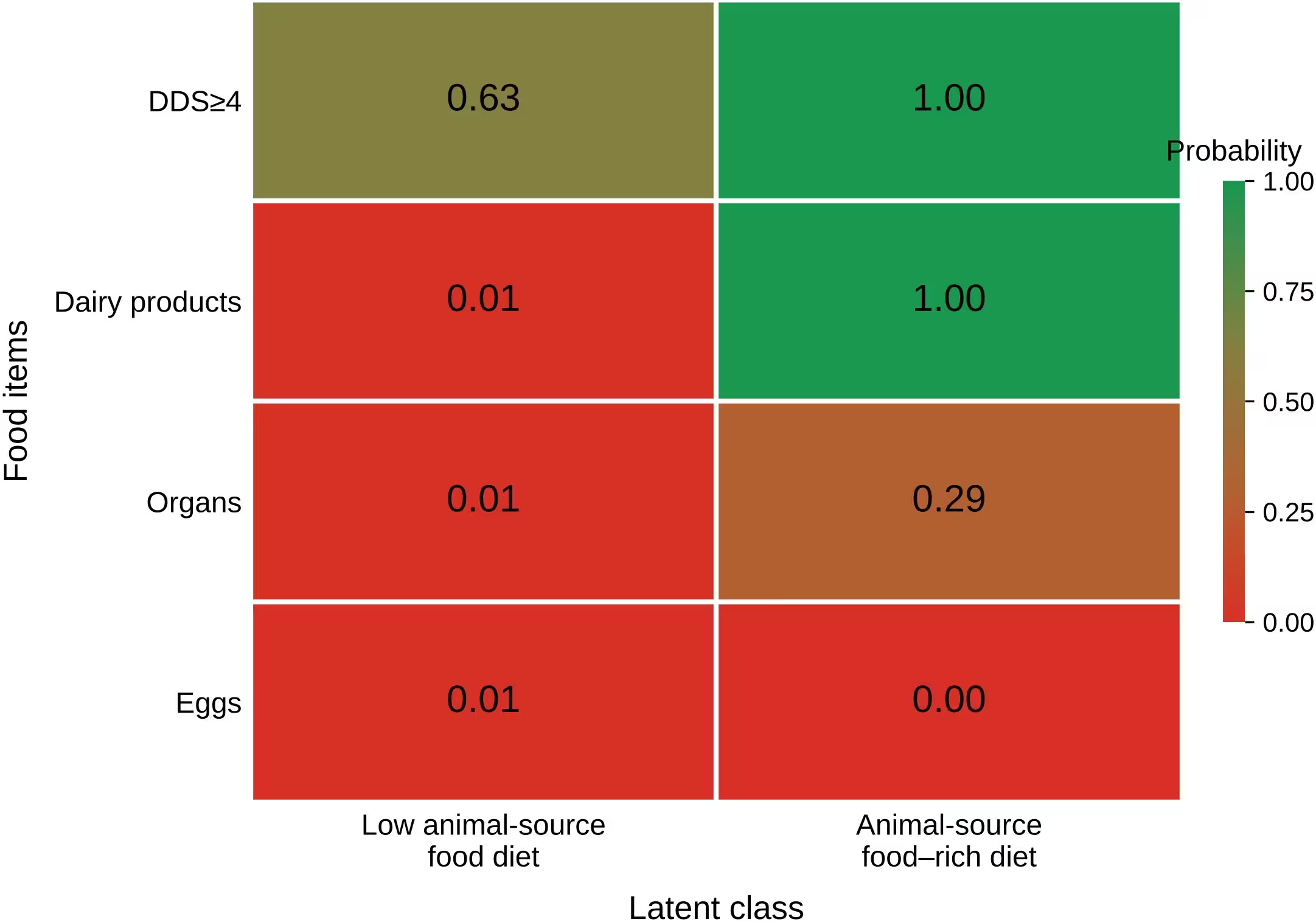
However, nearly 98 percent of the households surveyed experienced varying degrees of food insecurity. Using latent class analysis to sort dietary habits, the team discovered that 96 percent of children fell into a low animal-source food diet class, meaning they rarely consumed nutrient-dense items such as eggs, dairy, or organ meats. Only 36 percent belonged to a group with higher plant-source vitamin intake driven largely by palm oil and green leafy vegetables.
Why Routine Supplement Drops Failed to Alter Blood Retinol Levels
Multivariate gamma regression analysis uncovered a clear link between household stability and child nutrition. Children from food-secure households demonstrated a 13 percent higher mean serum retinol ratio compared to their peers in food-insecure homes. Furthermore, youngsters in the low animal-source vitamin group exhibited roughly 13 percent lower mean serum retinol concentrations than those with richer animal-source diets, though that specific statistical association hovered near the threshold of significance.
Most surprisingly, children who received vitamin A supplementation in the six months prior to the survey did not show significantly higher retinol concentrations than those who missed the campaign. The authors suggest that supplementation programs, while valuable for preventing severe clinical complications, may not be sufficient on their own to maintain adequate circulating vitamin levels in environments plagued by severe, chronic dietary poverty.
Important Limitations to Consider
The study authors acknowledged several methodological constraints that temper the conclusions. Because the investigation relied on a cross-sectional design, it can establish correlations but cannot prove direct cause and effect. Dietary recalls collected from caregivers are also prone to reporting bias, and the exclusion of inaccessible geographic zones may mean the true vulnerability across the region is even higher.
Additionally, because blood was drawn during a single seasonal window, it does not capture how seasonal food availability shifts nutritional status throughout the year. The researchers emphasize that larger longitudinal studies are necessary to confirm how effectively different public health strategies boost micronutrient stores over time.
The research was published in PLOS Global Public Health on November 16, 2026.
This article has been fact checked for accuracy, with information verified against reputable sources. Learn more about us and our editorial process.
Last reviewed on .
Article history
- Latest version
Reference(s)
- Egbende, Landry., et al. “Prevalence of vitamin A deficiency and dietary patterns identified using latent class analysis in children aged 6–59 months in a food-insecure setting in the Democratic Republic of the Congo: A cross-sectional study.” PLOS Global Public Health, vol. 6, no. 11, November 16, 2026, pp. e0007484 Public Library of Science (PLoS), doi: 10.1371/journal.pgph.0007484. <https://doi.org/10.1371/journal.pgph.0007484>.
Cite this page:
- Posted by Bilal Abbasi