Fifteen Million Children Born With HIV Exposure Prompt New LongTerm Health Study
A comprehensive South African cohort investigation tracks how maternal HIV and antiretroviral treatment shape infant growth, immune function, and neurodevelopment.
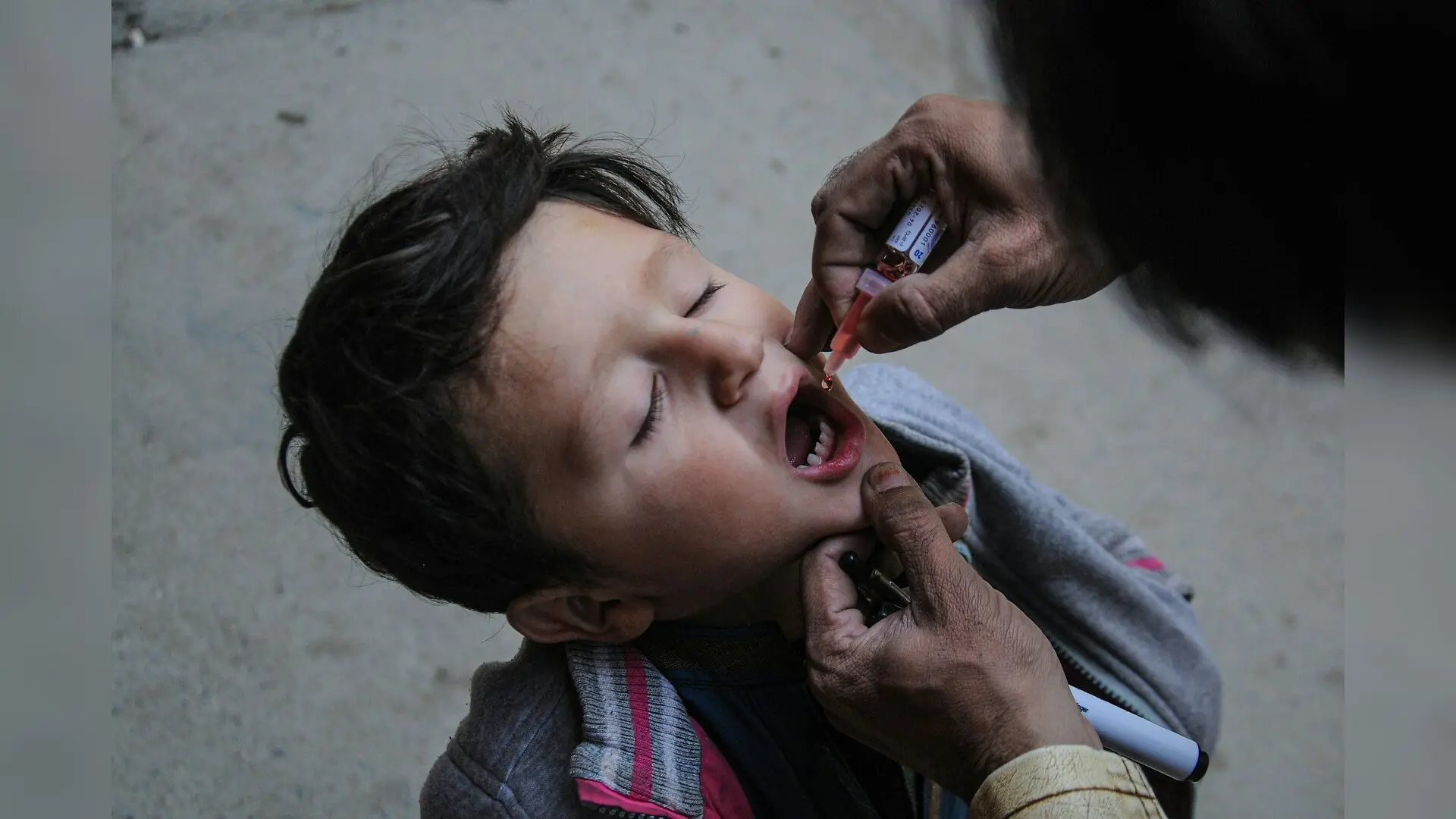
Nearly 15 million children around the world are born exposed to HIV and antiretroviral therapy, yet researchers are only beginning to understand how these early-life exposures shape their long-term health and development.
While successful medical treatments have dramatically reduced vertical transmission rates from mothers to babies, a growing population of children who are HIV-exposed and uninfected face higher rates of infections, immune alterations, and developmental delays. A multidisciplinary research team established a detailed prospective study known as the Siyakhula cohort to track these children from the womb through their second birthday, investigating the hidden biological pathways that influence their growth, neurodevelopment, and immune function.
Tracing the First 1000 Days of Life in South Africa
The study was designed to evaluate mother-infant pairs recruited between January 2018 and January 2021 from antenatal clinics in Southwest Tshwane, South Africa, a region where antenatal HIV prevalence has hovered around 30 percent for nearly two decades. The project details are published in PLOS One, outlining a comprehensive framework that connects routine clinical data with advanced laboratory investigations in immunology, metabolomics, and microbiology.
Expectant mothers aged 18 years and older with singleton pregnancies were enrolled before 22 weeks of gestation. The research team tracked participants through pregnancy, delivery, and up to 24 months postpartum, gathering extensive clinical parameters, ultrasound scans, and bio-specimens including blood, breast milk, stool, and placental tissue.
Multidisciplinary Approach to Maternal and Infant Health
To uncover the drivers behind suboptimal health outcomes in exposed children, the cohort analysis looks at several key biological components. These include placental inflammation and vascular malperfusion, the immunological and nutritional composition of breast milk, persistent systemic maternal immune activation, metabolic shifts such as altered ketone body levels, and changes in the infant gut microbiome.
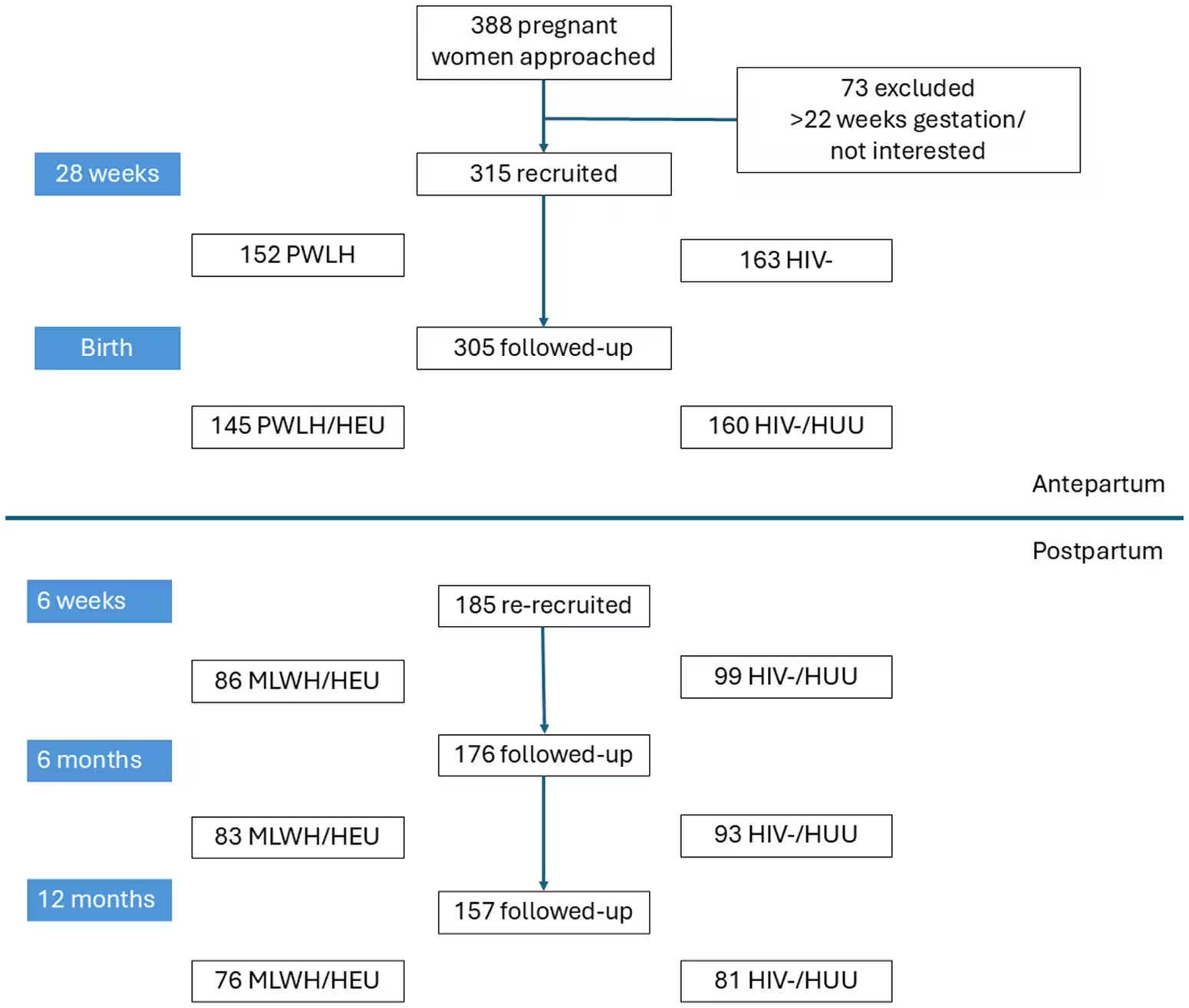
Initial recruitment screened 388 women and successfully enrolled 315 participants, consisting of 152 pregnant women living with HIV and 163 pregnant women without HIV. Despite disruptions caused by the COVID-19 pandemic, participant retention remained high at 95.1 percent at six months and 84.9 percent at 12 months postpartum.
Looking Ahead and Unanswered Questions
The Siyakhula study provides a robust repository of longitudinal data and biological samples, but the authors note several limitations inherent to cohort designs. While the study captures extensive confounding factors, observational data cannot establish direct causality, and the findings may not be generalizable to regions with different HIV prevalence or healthcare settings. Ongoing and planned analyses will focus on shotgun metagenomics of the microbiome, metabolomic breast milk signatures, and bioinformatics to link immunometabolic profiles with child growth and neurocognitive development.
The research was published in PLOS One on November 16, 2026.
This article has been fact checked for accuracy, with information verified against reputable sources. Learn more about us and our editorial process.
Last reviewed on .
Article history
- Latest version
Reference(s)
- du Toit, Louise., et al. “Cohort profile: Assessment of factors impacting on foetal and infant immunity, growth, and neurodevelopment in HIV and antiretroviral drug exposed uninfected children: The Siyakhula Study.” PLOS One, vol. 21, no. 11, November 16, 2026, pp. e0362308 Public Library of Science (PLoS), doi: 10.1371/journal.pone.0362308. <https://doi.org/10.1371/journal.pone.0362308>.
- Posted by Priya Sharma